
Cold and oxygen-rich is home
Trout get stressed as water warms, so cold springs, shaded streams, and deep lake basins hold them longest into summer.
Easy to start, hard to master: light gear, a quiet approach, and cold clear water.
Some links on this page are affiliate links — we may earn a commission at no cost to you. Read the full disclosure.
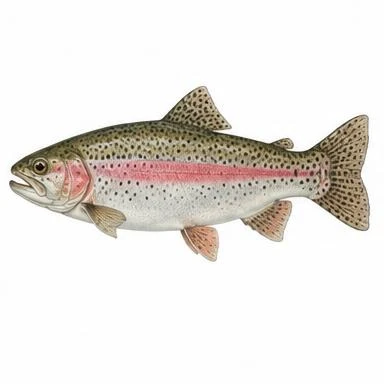
Rainbows are the friendliest way into trout fishing and one of the hardest fish to truly master. Many waters are stocked on a schedule, so a first-timer can find fish, but these are wary, cold-water fish that punish heavy line, big hooks, and stomping footsteps.
Trout get stressed as water warms, so cold springs, shaded streams, and deep lake basins hold them longest into summer.
They sit in calm water beside faster water, resting while food drifts to them.
Trout patrol shorelines, drop-offs, and inlets, especially in cooler months and low light.
Wild and settled fish are warier and want smaller, natural offerings.
| Item | What to look for | Our pick |
|---|---|---|
| Rod and reel | 6' to 7' ultralight or light spinning, reel size 1000 to 2500 | Pick coming soon |
| Line | 4 to 6 lb monofilament; forgiving, easy to knot, cushions head shakes | Pick coming soon |
| Weight and swivels | Split-shot and small swivels; use the least weight that works | Pick coming soon |
| Hooks | Small, sharp hooks for soft mouths | Pick coming soon |
| Net | Rubber mesh to protect skin and slime coat | Pick coming soon |
| Pliers | Needle-nose, for quick unhooking | Pick coming soon |
| Sunglasses | Polarized, to spot fish, seams, and bottom | Pick coming soon |
| Waders | For stream work; add a wading belt | Pick coming soon |
The best all-around setup is a 6' to 7' ultralight or light spinning rod in fast or moderate-fast action, a 1000 to 2500 reel, and 4 to 6 lb mono. A smooth, light drag matters most.
For trolling, add a 7' to 8' light to medium-light rod with softer action and a reliable drag.
Short rods suit brushy creeks and small boats; a longer, softer rod absorbs surges when trolling.
| Bait | When it shines | How to fish it | Our pick |
|---|---|---|---|
| Dough bait | Stocked lakes and ponds, still water | Press on small hook, split-shot above, let it sit off bottom | Pick coming soon |
| Worm | Streams after rain | Thread on small hook; drift along bottom with enough shot | Pick coming soon |
| Bobber rig | Lakes, ponds, slow pools | Set depth where trout cruise; lift when float twitches or slides | Pick coming soon |
| Inline spinner | Streams, rivers, lakes; covering water | Cast across or upstream, steady retrieve, let current swing it | Pick coming soon |
| Small spoon | Lakes, big pools, cool water | Let it sink, slow retrieve with pauses | Pick coming soon |
| Small crankbait | Larger trout, lakes, deeper runs | Slow to medium retrieve with pauses; troll drop-offs | Pick coming soon |
Read the water: pool tails, seams, and cover in streams; shorelines, inlets, and drop-offs in lakes.
Drift bait at the speed of the current, or retrieve spinners just fast enough to turn the blade. Trout often hit at the end, so keep reeling.
Lift the rod tip with a short, firm sweep.
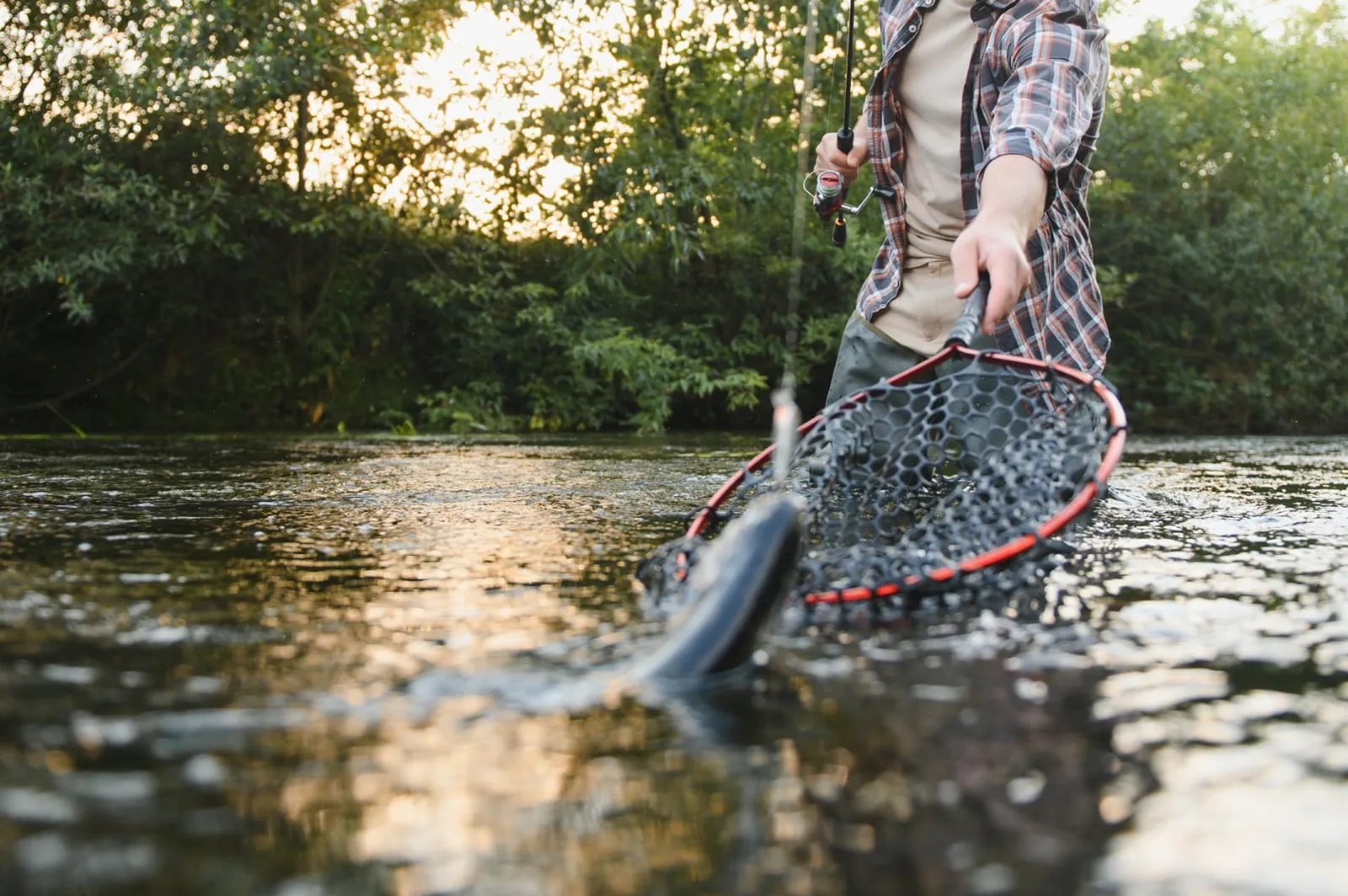
Keep the rod up, use a light drag, net it in rubber mesh, and keep it wet.
Fish spread into runs, riffles, tailouts, shorelines, and inlets.
Small spinners, spoons, and minnow-style crankbaits with a slower retrieve; dough bait just off the bottom in ponds.
er and thinner in clear water, add warm layers under waders, and fish the warmest part of the day when mornings freeze.
Cold-water shock is real, so wear a wading belt or life jacket. Some waters have fall closures or spawning protections, so check notices, and never fish over spawning trout or beds.
Keep trout in the water as much as possible, handle them with wet hands or a rubber net, and revive them facing into the current until they swim off. Trout are sensitive to warm, dry hands and rough handling. Licenses, bait rules, seasons, and limits vary by water, so check your local wildlife agency before every trip.
Dough bait in a lake and a worm or small spinner in a stream are common starting points, where local rules allow.
Yes. Stocked ponds, lake shorelines, and streams all work from the bank.
A 6' to 7' ultralight or light spinning rod is the most common choice.
Often yes. Cooling water can make trout more active, though conditions vary by region and water.
The one-pager gives the overview — these articles go all the way.
The short gear list, three easy techniques, and how to read bank, wading, and boat water.
Read the guideWhere trout go as the water cools, what to throw, and how to stay safe.
Read the guideDough bait, worms, spinners, spoons, and crankbaits, with when to use each.
Read the guideRod length, power, reel size, and line for streams, ponds, lakes, and trolling.
Read the guide
Freshwater favorites, from bass to brook trout.
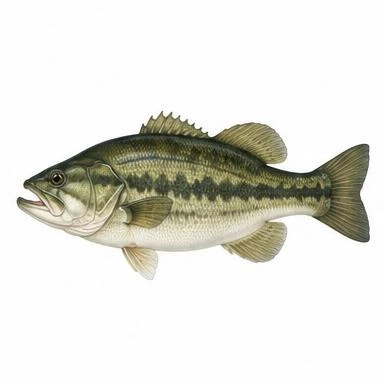 Largemouth Bass
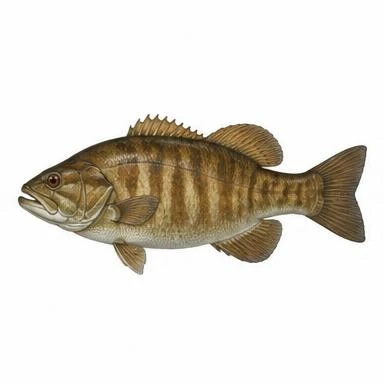 Smallmouth Bass
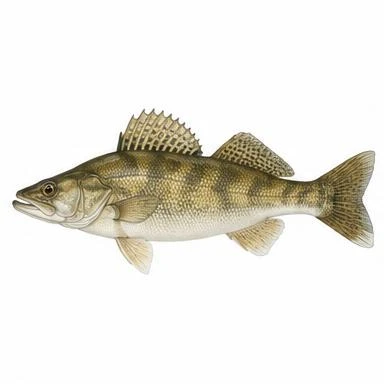 Walleye
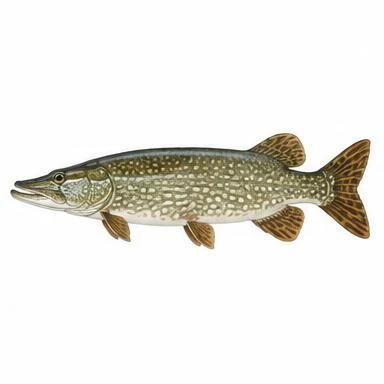 Northern Pike
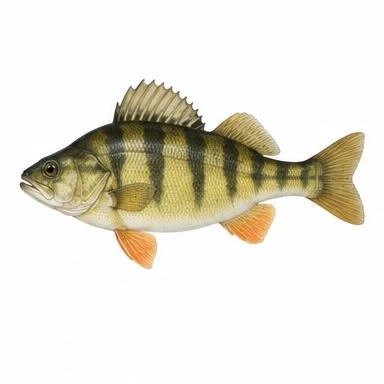 Yellow PerchRainbow Trout
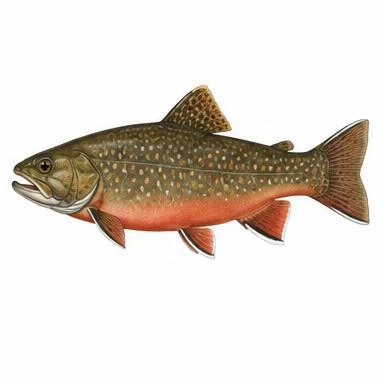 Brook Trout
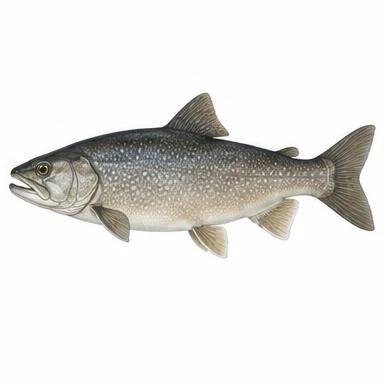 Lake Trout
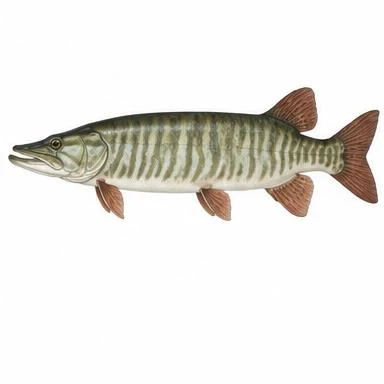 Muskellunge
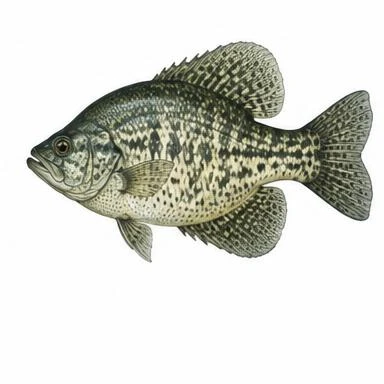 Black Crappie
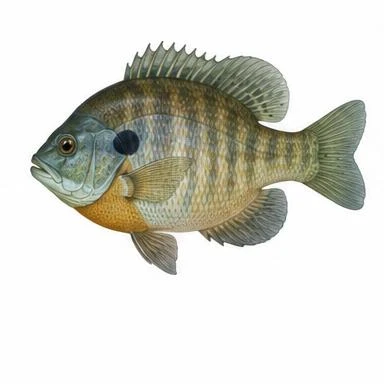 Bluegill
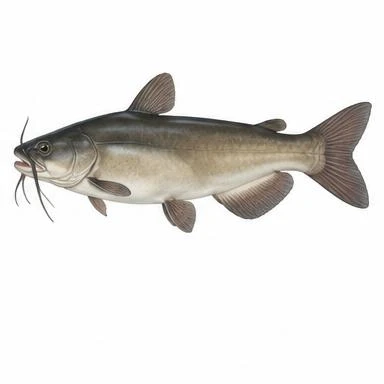 Channel Catfish