
They follow cold water
In summer many sit deep near the cold layer, then come shallower just after ice-out and again in fall, though timing varies by lake.
Big-water char that live deep and cold: find the structure, then get down to them.
Some links on this page are affiliate links — we may earn a commission at no cost to you. Read the full disclosure.
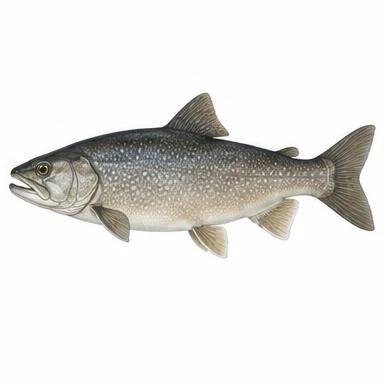
Lake trout, or lakers, are native char that roam large, deep, cold, clear lakes across the northern United States and Canada. They have a reputation for being hard to find, and that reputation is almost all about depth. Locate rocky structure, get a baitfish-looking lure down to it, and they are not complicated.
In summer many sit deep near the cold layer, then come shallower just after ice-out and again in fall, though timing varies by lake.
Cisco, smelt, and whitefish are typical forage, so flashing baitfish lures work.
Points, humps, and steep breaks gather lakers and their food.
| Item | What to look for | Our pick |
|---|---|---|
| Rod and reel | 7' to 8' medium or medium-heavy spinning, 3000 to 4000 reel, smooth drag | Pick coming soon |
| Main line | 10 to 20 lb braid; no stretch | Pick coming soon |
| Leader | Fluorocarbon, stronger than main line; resists teeth | Pick coming soon |
| Depth control | Downrigger for trolling at a precise depth | Pick coming soon |
| Net | Rubber mesh, to land and release gently | Pick coming soon |
| Pliers | Needle-nose, to reach hooks safely in a toothy mouth | Pick coming soon |
| Gloves | Cold-weather, for wet, windy days | Pick coming soon |
| Rain jacket | Matters more than most beginners expect on open water | Pick coming soon |
| Life jacket | Worn on the boat, not stowed | Pick coming soon |
The best all-around setup is a 7' to 8' medium-heavy fast spinning rod, a 3000 to 4000 reel with a smooth, strong drag, and 10 to 20 lb braid with a fluorocarbon leader.
For trolling, add a longer, softer-tipped rod with a line-counter reel so you can repeat the exact depth that produced a fish.
A rod near 7'6" to 8' helps casting from piers; boat anglers often carry jigging, casting, and trolling rods.
| Bait | When it shines | How to fish it | Our pick |
|---|---|---|---|
| Jigging spoon | Over marked fish; deep summer, fall | Drop to bottom, lift, let it flutter; bites come on the fall | Pick coming soon |
| Tube jig | Rocky bottoms, less aggressive fish | Lift gently, fall on semi-tight line | Pick coming soon |
| Paddle-tail swimbait | Lakers chasing baitfish, shallower in fall | Let it sink, retrieve along bottom with pauses | Pick coming soon |
| Blade bait | Cold water, early spring, fall | Lift sharply, let it fall, repeat | Pick coming soon |
| Trolling spoon | Covering water, ice-out to deep summer | Troll slowly along edges; tune speed for a steady wobble | Pick coming soon |
| Large minnow lure | Shallow fish, ice-out, fall; casting or trolling | Troll moderately or cast with long pauses | Pick coming soon |
Use your fish finder on points, humps, and breaks.
Drop a jigging spoon or tube to the fish and lift, or troll at a known depth and adjust speed until the lure looks natural.
With braid and deep water there is lots of slack to remove, so reel down before a firm upward sweep.
Keep steady pressure, let the drag work, never horse the fish, then net it in the water.
Rocky points, shoreline breaks, drop-offs near reefs, and in some lakes harbors and piers.
Jigging spoons, tubes, blade baits, and minnow-style lures; fish edges rather than the reef, with long pauses.
You often need less trolling depth than in summer. Dress waterproof and warm.
Closures, reef sanctuaries, and catch-and-release rules are common for this species. Check the exact water, and if an area is closed, stay out.
Fish pulled from depth can suffer pressure injuries. Play them steadily, keep them in the water, handle them with wet hands or a rubber net, and release them quickly. Do not squeeze the belly or hold spawning fish up for photos. Licenses, seasons, closed areas, bait rules, and gear rules differ by lake, so check your local wildlife agency before you go.
It depends on the lake and season. They are often deep in summer and shallower near ice-out and in fall.
Sometimes, in cold seasons from rocky points, piers, and harbors, but opportunities are limited.
A jigging spoon or tube jig over structure.
No. Vertical jigging works without one.
The one-pager gives the overview — these articles go all the way.
The gear, three core techniques, and where to start, with honest notes on shore fishing.
Read the guideWhere lakers go in fall, which lures work, and how to respect spawning fish.
Read the guideJigging spoons, tubes, trolling spoons, and minnow lures, plus when to use each.
Read the guideRod length, power, reel size, and line for jigging, casting, and trolling.
Read the guide
Freshwater favorites, from bass to brook trout.
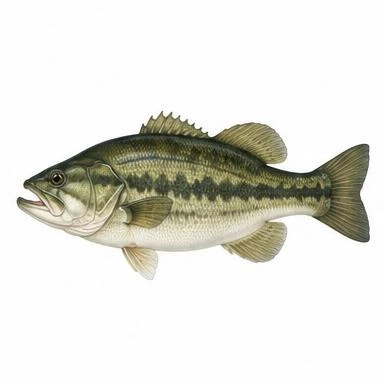 Largemouth Bass
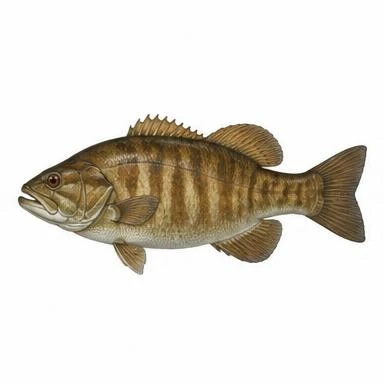 Smallmouth Bass
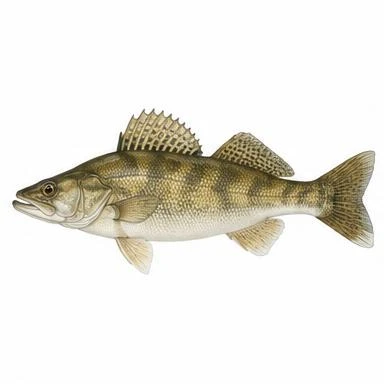 Walleye
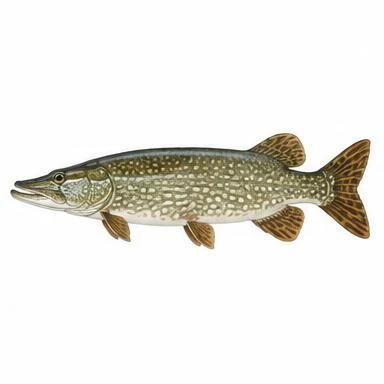 Northern Pike
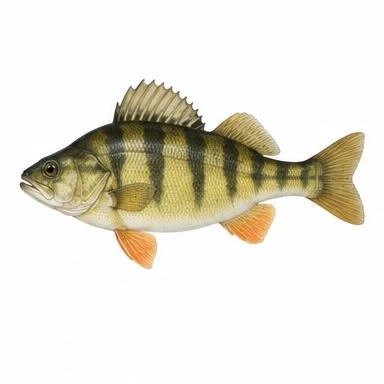 Yellow Perch
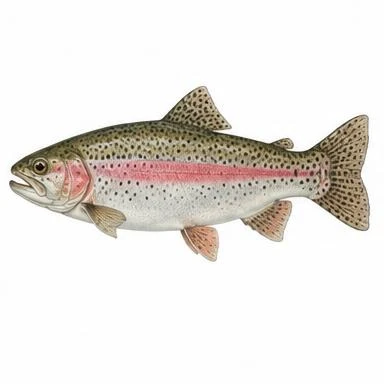 Rainbow Trout
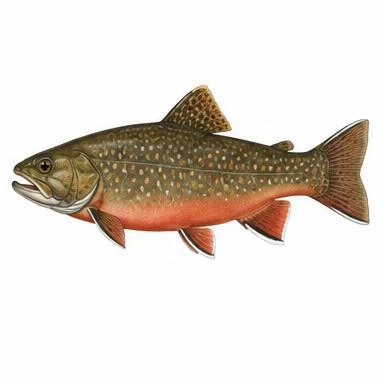 Brook TroutLake Trout
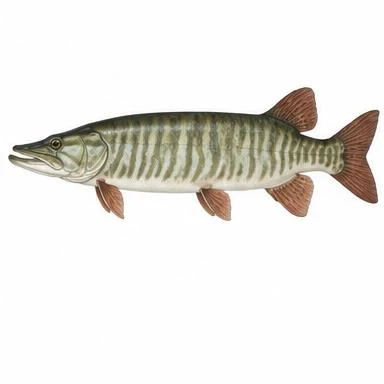 Muskellunge
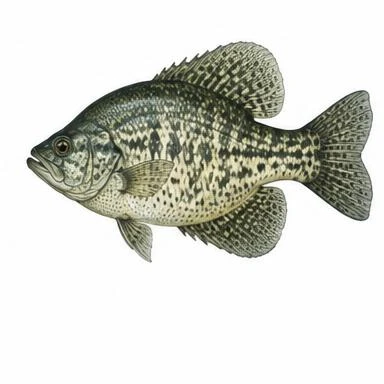 Black Crappie
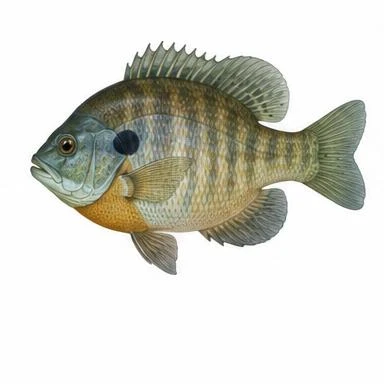 Bluegill
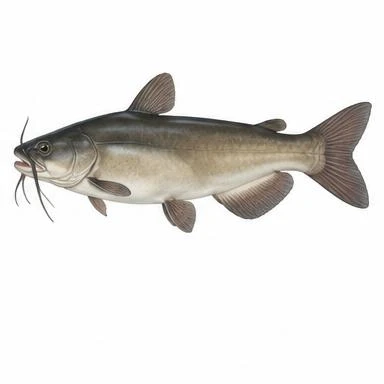 Channel Catfish