
Cover is the address
Brush piles, sunken trees, docks, bridge pilings, and weed edges hold them; empty water means few bites.
Small jigs, soft bites, and schools that stack up on cover.
Some links on this page are affiliate links — we may earn a commission at no cost to you. Read the full disclosure.
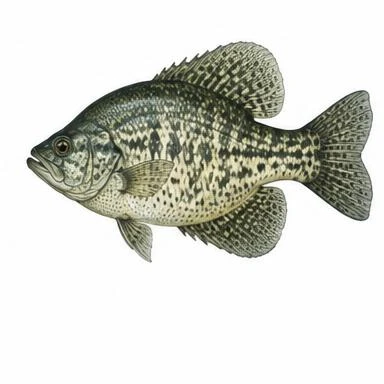
Crappie are not hard to feed. They are hard to find. These schooling panfish hang tight to cover at a specific depth, and once you crack that code, a tiny jig can fill the bucket. Light gear, cheap baits, and a shot from the bank make this one of the friendliest species to start with.
Brush piles, sunken trees, docks, bridge pilings, and weed edges hold them; empty water means few bites.
A school often suspends at one depth, so when a bite tells you where, repeat that depth cast after cast.
Find one and you have often found several, but if a spot gives no bites after a fair try, move.
The thin tissue around the lips tears easily, which is why they are called papermouths, so use gentle hooksets and steady pressure.
| Item | What to look for | Our pick |
|---|---|---|
| Rod and reel | Light or ultralight spinning combo, about 6' to 7'6" | Pick coming soon |
| Line | 4-6 lb low-visibility monofilament | Pick coming soon |
| Jig heads | Assortment of small weights from 1/32 to 1/8 oz | Pick coming soon |
| Tube jigs | Small tubes in natural and bright colors | Pick coming soon |
| Minnow plastics | Slim baitfish-style soft plastics | Pick coming soon |
| Slip bobber kit | Holds a jig or minnow at an exact depth | Pick coming soon |
| Small spinner | Tiny inline spinner for covering water | Pick coming soon |
| Net | Rubber-mesh, to land fish without tearing hooks out | Pick coming soon |
| Pliers | Needle-nose, for gentle hook removal | Pick coming soon |
The best all-around setup is a 6' to 7'6" light or ultralight, fast-action spinning rod with a small 1000 to 2500 reel and a smooth drag, spooled with 4-6 lb low-visibility mono. Heavier rods are less sensitive and can rip hooks through thin mouths.
For deep brush, use a 7' light, fast rod with a 2000 reel, light braid, and a fluorocarbon leader.
A 7' to 7'6" rod suits shore casting; shorter rods or long poles suit vertical jigging from a boat.
| Bait | When it shines | How to fish it | Our pick |
|---|---|---|---|
| Tube jig | Brush, trees, docks; suspended fish | Drop beside cover and let it flutter | Pick coming soon |
| Minnow-style plastic | Fall, or when crappie eat baitfish | Slow roll just above cover, or pause and lift | Pick coming soon |
| Marabou jig | Cold, clear water; picky fish | Fish very slowly, or under a bobber | Pick coming soon |
| Small inline spinner | Warm, calm days; covering ground | Slow, steady retrieve past docks and wood | Pick coming soon |
| Micro crankbait | Fish chasing baitfish; slow trolling | Slow retrieve or slow troll along cover edges | Pick coming soon |
| Jig under slip bobber | Suspended or finicky fish | Set the stop at fish depth, cast beside cover | Pick coming soon |
Go natural in clear water and chartreuse in stained water or low light. Live minnows under a bobber work where local rules allow.
Start at docks, pilings, brush, or weed edges; skip empty water.
Fish a jig under a slip bobber, slow-roll a tube or minnow plastic, or tight-line a jig down beside a piling.
Change bobber depth by a foot or count the jig down longer, then repeat the depth that bites.
Lift the rod tip with a short, smooth sweep, keep steady pressure, steer fish away from brush, and net them.
Brush piles, bridge pilings near channels, deeper docks, and suspended over drop-offs.
Tube jigs and minnow plastics fished slowly; small spinners for active fish on warm afternoons.
Keep line light, add a rain jacket and gloves, and use a fish finder and rod holders on a boat.
Wear a life jacket on a boat, watch slick docks and riprap, and check local rod and live bait rules.
Wet your hands, support the fish rather than squeezing, and watch the dorsal spines. Unhook quickly with pliers and release gently if not keeping it. Rules on licenses, sizes, limits, seasons, and live bait vary by water, so check your local wildlife agency before you go.
Dawn and dusk are often productive, but they bite all day on the right cover and depth.
No. Docks, piers, bridges, and spring banks work from shore.
A small tube or minnow-style jig, alone or under a slip bobber.
Usually it is too stiff for tiny jigs and thin mouths.
The one-pager gives the overview — these articles go all the way.
Light gear, three easy techniques, and how to find crappie from shore or a boat.
Read the guideWhere crappie group up as water cools and the jigs and gear that work.
Read the guideJigs, spinners, crankbaits, and minnows, with when and how to fish each.
Read the guideRod length, power, reel size, and line for every crappie situation.
Read the guide
Freshwater favorites, from bass to brook trout.
 Largemouth Bass
 Smallmouth Bass
 Walleye
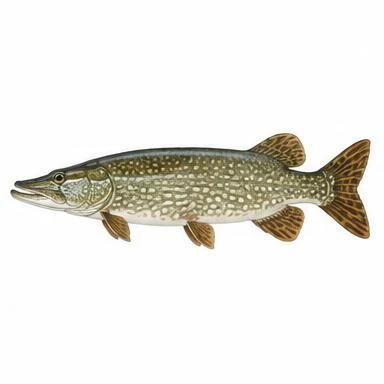 Northern Pike
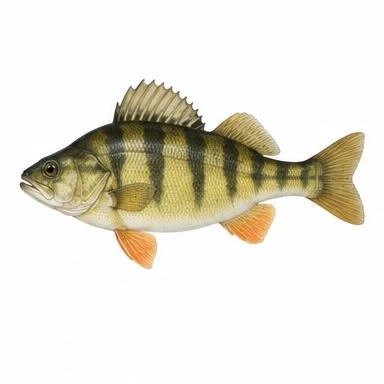 Yellow Perch
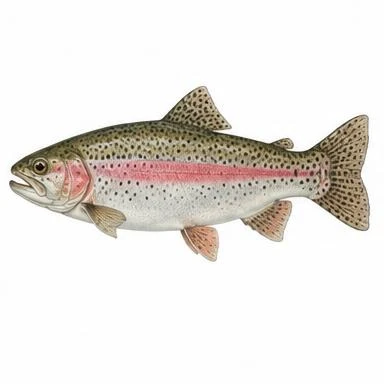 Rainbow Trout
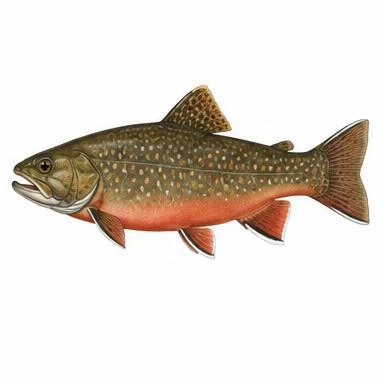 Brook Trout
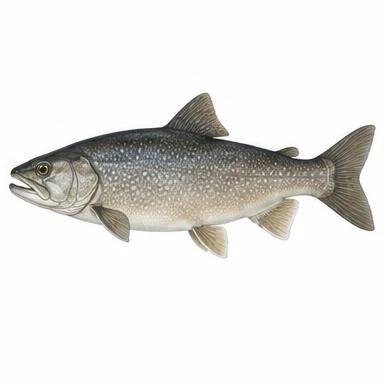 Lake Trout
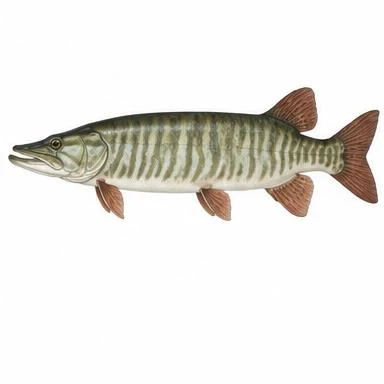 MuskellungeBlack Crappie
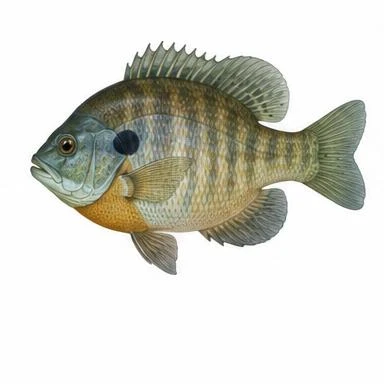 Bluegill
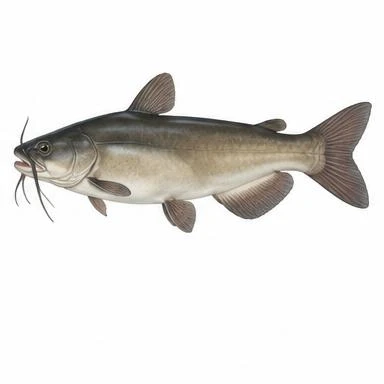 Channel Catfish