
Fall Rainbow Trout Fishing: Where to Find Them and What to Throw
Cooling water can wake up rainbow trout. Learn where they go in fall, what lures and baits to use, and how to fish from the bank, wading, or a boat.
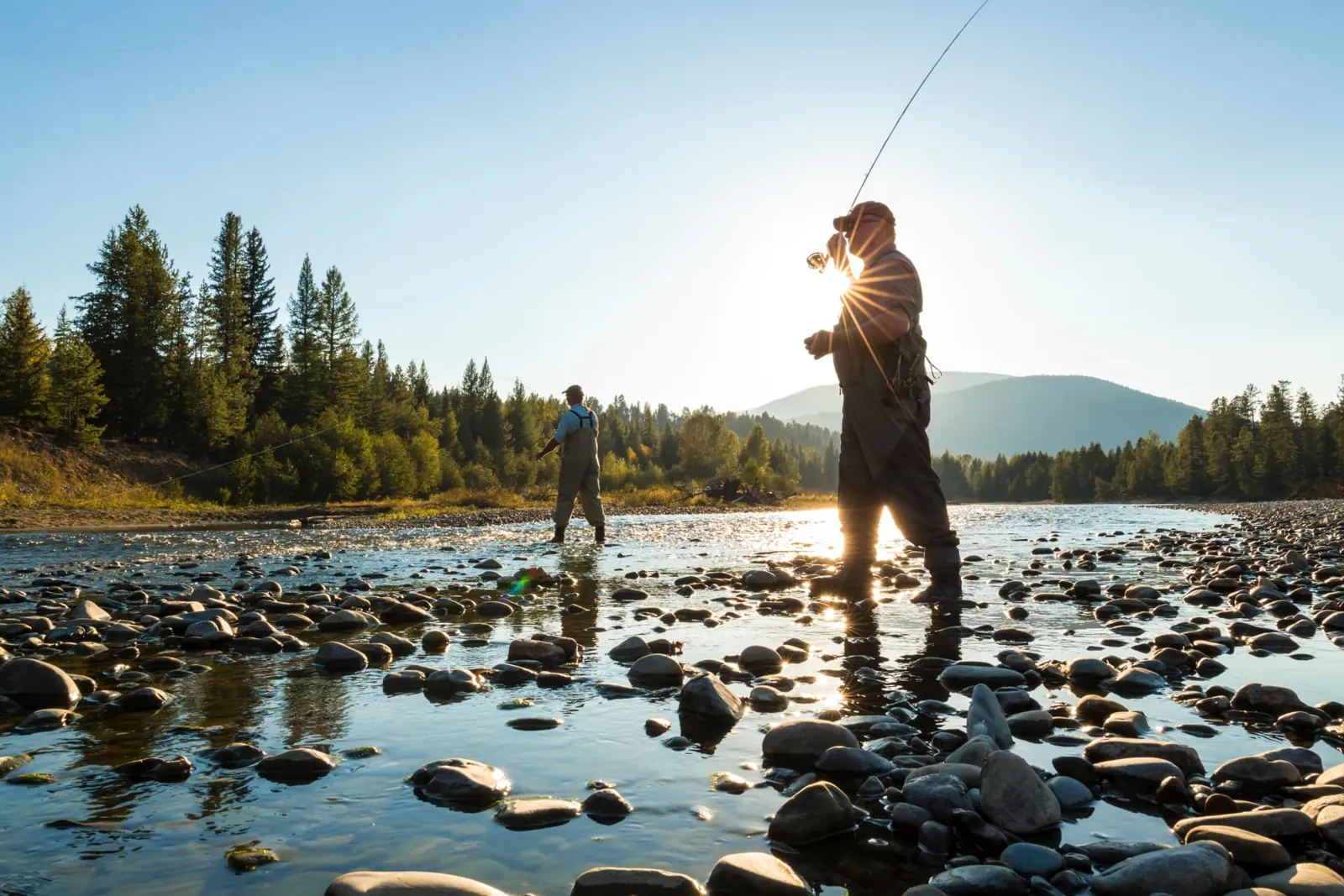
Summer heat is hard on trout. Warm, low water can push them into deep pockets, cold springs, and shaded runs, and they feed less. When fall brings cooler nights and cooler water, many trout become more comfortable and more willing to feed. For anglers, that often means better odds, more fish in reachable water, and fewer crowds once the summer rush ends.
This guide covers what changes in fall, where trout tend to go, what to throw, and how to stay safe and comfortable while you fish.
Some links on this page are affiliate links. If you buy through them, we may earn a commission at no extra cost to you. See our affiliate disclosure.
What Changes in the Fall
- Cooling water often improves activity. Trout are cold-water fish, and a drop from summer warmth generally puts them in a more active range. Cold snaps can slow them again, so expect some variation day to day.
- Insect activity shifts. Many aquatic insect hatches taper off, while terrestrial insects and drifting food can still matter early in the season. Trout often rely more on baitfish, crustaceans, and whatever the current delivers.
- Fish spread out again. Instead of crowding into the coldest refuges, trout often move back into riffles, runs, and lake shorelines.
- Stocking and spawn timing vary by region. Some agencies stock in fall, and some waters have fall-run or migratory rainbows (often called steelhead) entering rivers. Others do not. Closures, special rules, and spawning protections differ widely, so check your agency's current notices before you go.
Stable, overcast weather tends to give the most consistent bites. A sharp cold front or a sudden flood can shut things down for a day or two.
Where to Find Rainbow Trout in the Fall
Pools, runs, and tailouts
As flows settle and water cools, trout often spread across the moderate-depth runs and the smooth tails of pools where they can see food coming.
Riffles and seams
Faster water adds oxygen and delivers food. Look for the slower edges beside current, where a trout can hold with little effort.
Undercut banks and wood
Cover is still important. Overhanging brush, logs, and cut banks give trout a place to hide and ambush food.
Lake shorelines and drop-offs
As surface water cools, trout in lakes and ponds often cruise nearer to shore, especially at dawn and dusk. Look at points, inlets, and the edge where shallow water drops into deeper water.
Inlets and stream mouths
Moving water where a creek enters a lake can concentrate food, and fall flows can pull fish toward it.
Fall-run river sections (where they exist)
Where migratory rainbows run, they move through pools and seams on their way upstream. These fisheries often have special rules, such as closures or gear limits. Read the regulations for that stretch.
Fall From the Bank or Wading
Streams are often at their friendliest in fall: lower crowds, clearer water, and fish that are feeding again.
- Fish the warmest part of the day in cold weather. Midday to early afternoon can be better than dawn when the air is freezing.
- Cast small spinners and spoons across a run and let the current swing them through. Retrieve slowly so they do not skim the surface.
- Drift bait through pools and seams using split-shot to get the bait down. Slow, natural drifts matter more as the water gets colder.
- Slow down. Colder water means slower trout. Give them time to see your offering.
- Stay low and quiet. Fall water is often lower and clearer than spring. Trout notice movement and shadows.
- Watch footing. Leaves, algae, and frost can make rocks and banks slick.
- Dress in layers. Waders do not insulate on their own, so add warm layers underneath.
Fall From a Boat
- Troll along shorelines, points, and drop-offs at a slow to moderate speed with small spoons, spinners, or crankbaits.
- Vary depth. Trout may be shallower at dawn and dusk, and deeper in the middle of the day. Adjust your lure depth until you find the layer that gets bites.
- Troll near inlets and along current edges where the water is cooler or moving.
- Watch the weather. Fall wind and chop can rise quickly, and cold water increases the danger of a fall overboard. Wear a life jacket.
The Best Fall Rainbow Trout Baits and Lures
Inline spinners
Small inline spinners are reliable in fall because they flash, vibrate, and are simple to fish. Cast, let the blade start turning, and reel steadily. Slow your retrieve in colder water.
Small spoons
A spoon flutters on the fall and wobbles on the retrieve, which can trigger strikes from cruising trout. Let it sink a bit before reeling.
Small crankbaits
A small minnow-style crankbait imitates a baitfish and can cover more water than bait. Use a slow, steady retrieve with pauses.
Dough bait
Dough-style trout bait stays effective in cooler months, especially in lakes and ponds. Present it on a short leader just off the bottom, and wait patiently.
Egg-pattern flies (brief)
If you fly fish, simple egg patterns and small nymphs are common in fall where eggs are part of the food supply. Check local rules first.
For a full breakdown, see best baits and lures for rainbow trout.
Gear for Fall Rainbow Trout
- Rod and reel: A 6' to 7' ultralight or light spinning rod with a 1000 to 2500 size reel handles most fall situations.
- Line: 4 to 6 lb fluorocarbon or monofilament. Fall water is often clear, so fluorocarbon can help with line visibility.
- Terminal tackle: Small split-shot and swivels let you adjust depth and keep your presentation natural.
- Handling tools: A rubber-mesh net and needle-nose pliers help you release fish quickly.
More detail here: best rod and reel for rainbow trout.
Fall Tips That Help
- Check the temperature trend. A few cool days in a row can improve the bite more than one cold morning.
- Slow your presentation. Colder water usually means slower fish.
- Go lighter in clear water. Thinner line and smaller offerings often get more bites.
- Match what is available. Natural colors in clear water, brighter colors in stained water.
- Move until you find fish. Trout often group up. If a spot is quiet, try the next run.
- Take notes on where and when you get bites.
Safety, Handling, and Respect
Cold water raises the stakes. Cold-water shock and hypothermia are real risks even when the air feels mild. Use a wading belt, wear traction on your boots, avoid deep or fast water, and tell someone your plan. Wear a life jacket in a boat.
Trout are also sensitive. In fall, the cooler water is easier on them, but they still need careful handling. Keep them in the water, use a rubber net, minimize air time, and release them quickly after a short photo at most. Never fish over spawning beds or trout that are visibly spawning, since disturbing them can harm future populations. Seasons, closures, bait rules, and limits vary by region, so check your local wildlife agency's current regulations before you go.
Quick Fall Checklist
- Ultralight or light spinning rod, 1000-2500 reel
- 4-6 lb fluorocarbon or monofilament
- Small spinners, spoons, and a small crankbait
- Dough bait and split-shot, where bait is allowed
- Waders, wading belt, and traction boots for streams
- Rain jacket, warm layers, and gloves
- Rubber net and pliers
- The latest local regulations and stocking notices
FAQ
Is fall a good time to fish for rainbow trout? Often yes. Cooling water can make trout more active, though conditions vary by region and by water.
Are trout stocked in the fall? Some agencies stock in fall and others do not. Check your local wildlife agency.
What is the best lure for fall trout? Small inline spinners, spoons, and minnow-style crankbaits are common choices.
Can I fish for trout in cold weather? Yes. Dress warmly, slow your presentation, and fish the warmer part of the day.
Back to basics: Rainbow Trout Fishing for Beginners.