
Hard bottoms
Boulders, gravel flats, ledges, and rocky points hold them, not weeds and mud.
Rock, current, and a fight bigger than the fish. Go light and go slow.
Some links on this page are affiliate links — we may earn a commission at no cost to you. Read the full disclosure.
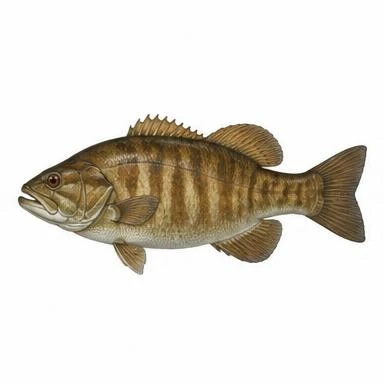
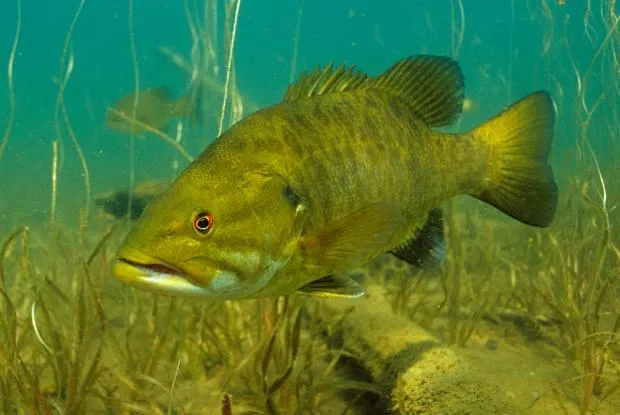
Smallmouth bass fight harder than almost any freshwater fish their size: they jump, bulldog toward the bottom, and use current against you. They live in clear, rocky lakes and cool rivers, so the largemouth playbook only gets you partway. Go light, find the rock, and you are in.
Boulders, gravel flats, ledges, and rocky points hold them, not weeds and mud.
In rivers they sit in slack water beside fast flow, like eddies and seams.
Crayfish and baitfish are staples, so lures that bump along bottom work.
Smaller lures, lighter line, and a quiet approach help; they stay active in cooler water than largemouths.
| Item | What to look for | Our pick |
|---|---|---|
| Rod | 6'6"-7'2" medium or medium-light, fast-action spinning | Pick coming soon |
| Reel | 2500-3000 spinning, smooth drag | Pick coming soon |
| Line | 6-10 lb braid, fluorocarbon leader | Pick coming soon |
| Tackle box | Sorts small jigs and plastics; carry spares | Pick coming soon |
| Pliers | Needle-nose, for small hooks | Pick coming soon |
| Lip grip | Secure handling | Pick coming soon |
| Sunglasses | Polarized, to spot rocks and fish | Pick coming soon |
| Net | Rubber-mesh, gentle landing | Pick coming soon |
The best all-around setup is a 6'6" to 7'2" medium or medium-light, fast-action spinning rod with a 2500-3000 reel and 6-10 lb braid with a fluorocarbon leader, or 6-10 lb fluoro or mono. A light graphite rod feels a lure tick across rock, and a smooth drag handles strong runs.
For jerkbaits and crankbaits, a 6'10"-7'2" medium, moderate-fast rod with 8-10 lb fluoro or mono; the softer bend keeps hooks in.
From shore, about 7' adds distance and line control in current; from a boat, shorter rods suit drop shots and jigs.
| Bait | When it shines | How to fish it | Our pick |
|---|---|---|---|
| Tube jig | Any season, over rock and ledges | Let it fall, then drag, hop, or swim | Pick coming soon |
| Ned rig | Cold, clear, or pressured water; good from bank | Let it settle, drag slowly, pause | Pick coming soon |
| Drop shot | Fish on humps or ledges that won't chase | Hold weight still, gently twitch tip | Pick coming soon |
| Suspending jerkbait | Cool, clear water in spring and fall | Twitch, then pause; bites come on pause | Pick coming soon |
| Inline spinner | Rivers, seams, and covering water fast | Cast across current, reel to keep blade turning | Pick coming soon |
| Walking bait | Calm, low-light mornings, shallow rock | Rhythmic twitches; wait for weight before hookset | Pick coming soon |
| Swimbait | When fish feed on baitfish, often fall | Reel steadily along or just above bottom | Pick coming soon |
Look for riprap, points, ledges, or river eddies, and cast along structure.
Drag a ned rig or tube across bottom with long pauses like a crawling crayfish; search with spinners and jerkbaits.
Reel down to take up slack, wait for weight, then sweep firmly; light line and small hooks need a controlled hookset.
Keep the rod up, let the drag work, lower the tip if it jumps, and steer river fish out of fast water. Use a lip grip, support big fish with a wet hand, and release promptly.
Rocky points, ledges, humps, riprap, and river pools; fish slide deeper as water cools but return shallow on mild, sunny days.
Tubes, hair jigs, drop shots, suspending jerkbaits with long pauses, and swimbaits; slow down as it gets colder.
Same light spinning outfit, plus a rubber-mesh net, rain jacket, and gloves.
Wear a life jacket in a boat and near current, watch slick rock, stay clear of dam releases, and check local rules.
Smallmouths are sensitive to stress in warm water, so land them promptly, keep them in the water as much as you can, and release them quickly. Leave nesting fish alone, since many regions have catch-and-release-only periods around spawning. Check your local wildlife agency for licenses and rules.
A tube jig or ned rig, dragged slowly along rocky bottom.
Yes. Rocky banks, riffles, harbors, and breakwalls all hold fish.
Often a bit more selective in clear water; lighter line and smaller lures help.
Low light is often good, and cooler seasons are strong; timing varies.
The one-pager gives the overview — these articles go all the way.
Finesse gear, four easy techniques, and where to find smallmouths from shore or boat.
Read the guideWhere smallmouths go as the water cools, the best fall lures, and cold-weather gear.
Read the guideTubes, ned rigs, jerkbaits, topwaters and more, with when and how to fish each.
Read the guideRod length, power, reel size, and line choices for finesse, jerkbaits, and rivers.
Read the guide
Freshwater favorites, from bass to brook trout.
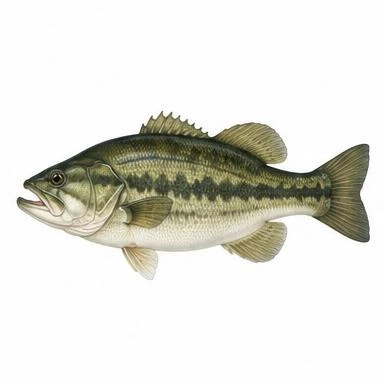 Largemouth BassSmallmouth Bass
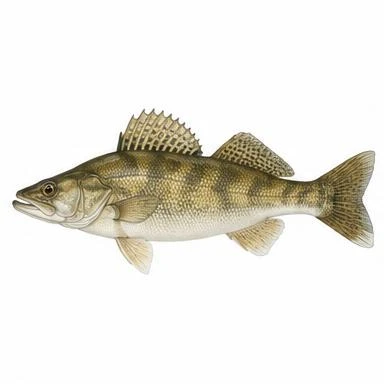 Walleye
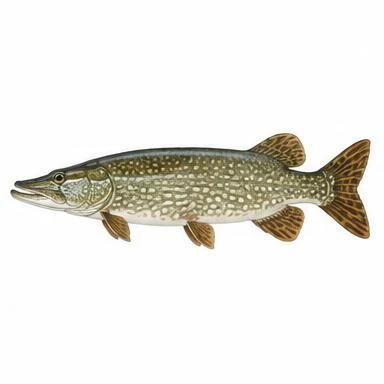 Northern Pike
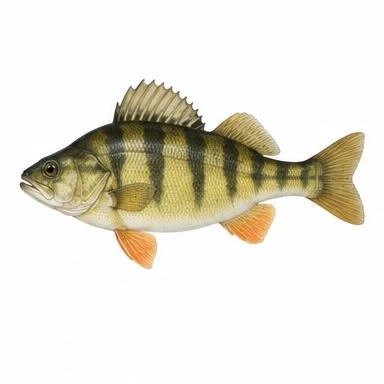 Yellow Perch
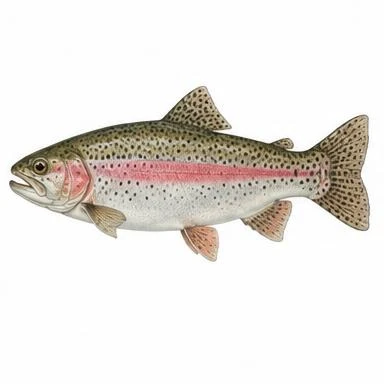 Rainbow Trout
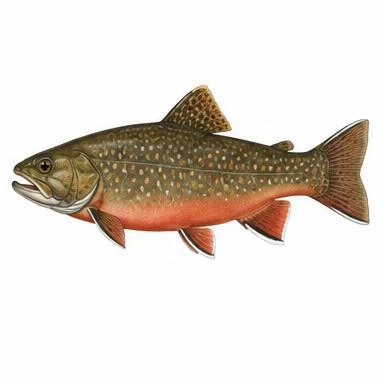 Brook Trout
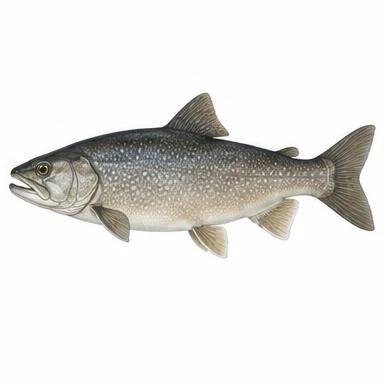 Lake Trout
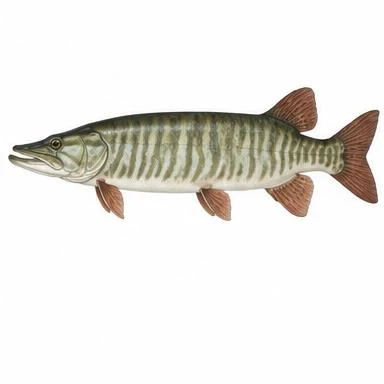 Muskellunge
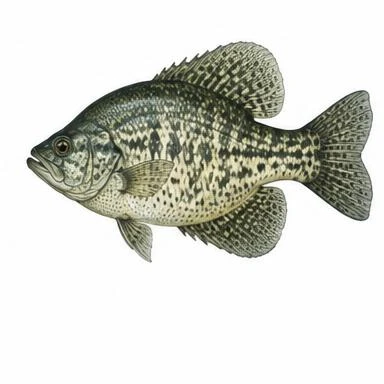 Black Crappie
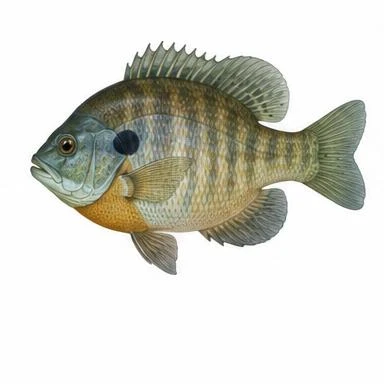 Bluegill
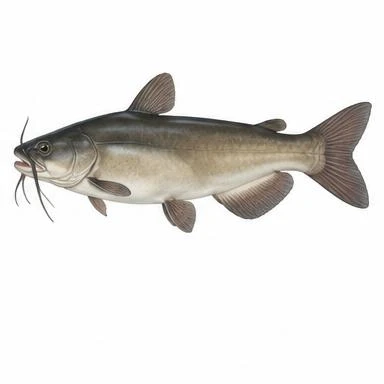 Channel Catfish