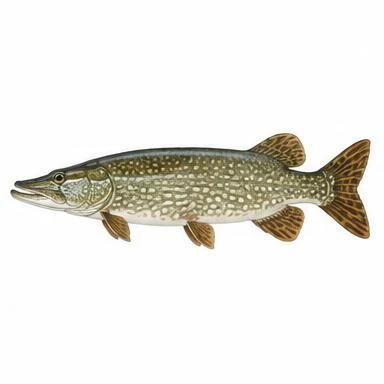
They ambush from cover
Pike lie still near weeds, lily pads, and fallen timber, then strike when a fish swims close, so cast to the cover, not open water.
Toothy ambush predators that charge big lures, if you bring a wire leader.
Some links on this page are affiliate links — we may earn a commission at no cost to you. Read the full disclosure.
Northern pike are long, toothy ambush predators that will charge a lure nearly the size of a small fish and then run hard with it. Tactics are simple, the strikes are violent, and the fish live across cool northern waters. The catch: teeth slice line and skin, so your gear and handling have to be different from bass or panfish.
Pike lie still near weeds, lily pads, and fallen timber, then strike when a fish swims close, so cast to the cover, not open water.
Perch, suckers, shiners, and ciscoes are typical forage, so match your lure to the local baitfish.
Expect them shallower in spring and fall, and near deeper edges or cooler spots in summer heat.
A good spot holds a handful of fish, not a school, so if nothing follows after a number of casts, move.
| Item | What to look for | Our pick |
|---|---|---|
| Rod and reel | 7'-7'6" medium-heavy, fast spinning combo; easiest to cast | Pick coming soon |
| Main line | Heavy braid, 30-50 lb range; thin, strong, no stretch | Pick coming soon |
| Leader | Wire (steel) or very heavy fluorocarbon, with a strong snap | Pick coming soon |
| Long-nose pliers | Reach into the mouth and back out hooks | Pick coming soon |
| Jaw spreader and hook cutters | Hold the mouth open and cut buried hooks | Pick coming soon |
| Net or cradle | Large and rubber-coated so hooks do not tangle | Pick coming soon |
| Sunglasses | Polarized; spot weed edges and followers, protect eyes from hooks | Pick coming soon |
| Lure kit | Spinnerbait, inline spinner, spoon, jerkbait, swimbait, spare leaders | Pick coming soon |
The best all-around setup is a 7' to 7'6" medium-heavy, fast-action spinning rod with a 3000 to 4000 size reel, spooled with 30 to 50 lb braid and a wire or very heavy fluorocarbon leader. Medium-heavy throws big lures and drives hooks into a bony mouth, and a smooth drag matters most.
For trolling, add a moderate-action trolling rod and a line-counter reel to repeat depths.
On the bank, a balanced spinning outfit is easiest; in a boat, rig several rods and store them in a case.
| Bait | When it shines | How to fish it | Our pick |
|---|---|---|---|
| Large spinnerbait | Spring, fall, weedy water | Steady above weeds, or slow-roll an edge | Pick coming soon |
| Inline spinner | Chasing fish, weed edges, current | Cast, count down, retrieve steadily | Pick coming soon |
| Casting spoon | Almost always; cool water, weed edges | Let it sink, then lift and pause | Pick coming soon |
| Jerkbait | Spring, fall, clear or cool water | Twitch, pause, repeat; strikes come on the pause | Pick coming soon |
| Large swimbait | Fall, or when baitfish are the meal | Steady above weeds, or short lifts | Pick coming soon |
| Topwater | Calm, shallow, weedy water at low light | Walk or pop, long pause, wait before setting | Pick coming soon |
Work weed edges, points, and structure with long parallel casts, moving on if nothing follows.
Use a steady retrieve above weeds, or a pause and twitch to turn a follower into a biter.
Reel down slack, then sweep the rod firmly, since the mouth is bony. Finish every cast with a figure-eight.
Keep the line tight and let the drag work. Lead a tired fish into a rubber-coated net and release it facing gentle current.
Outside edges of living weeds, points, drop-offs, inlets, and harbors as weeds die back.
Large swimbaits, spoons, big spinnerbaits, and jerkbaits. Go big, then scale down if fish only follow.
Slow your retrieve in cold water, and add a waterproof jacket and warm gloves.
Cold hands are unsafe around teeth, so wear a life jacket in a boat and check local rules on lines and rods.
Never put fingers near the mouth or gills, because the teeth and gill plates cut deeply. Remove hooks with long pliers and a jaw spreader, and cut deep hooks rather than digging. Wet your hands, support the fish horizontally, keep photos short, and never hang it vertically by the jaw. Slot limits, size rules, and bait or leader rules vary by water, so check your local wildlife agency before you go.
Yes. Pike teeth cut ordinary line, so use wire or very heavy fluorocarbon with every lure.
Yes. Weedy bays, harbors, and river mouths are good places to start.
A large spinnerbait or inline spinner on a steady retrieve.
Many anglers rate it among the best seasons, since pike eat heavily in cooling water.
The one-pager gives the overview — these articles go all the way.
The short gear list, four easy techniques, and shore and boat spots.
Read the guideWhere pike go as the water cools and which big baits to throw.
Read the guideEvery main pike lure, when it shines, and how to work it.
Read the guideRod, reel, braid, and leader specs for shore, boat, and trolling.
Read the guide
Freshwater favorites, from bass to brook trout.
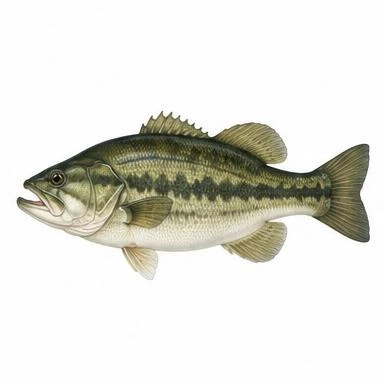 Largemouth Bass
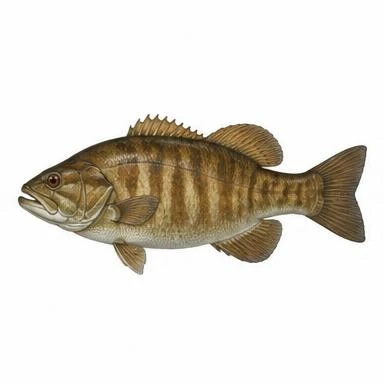 Smallmouth Bass
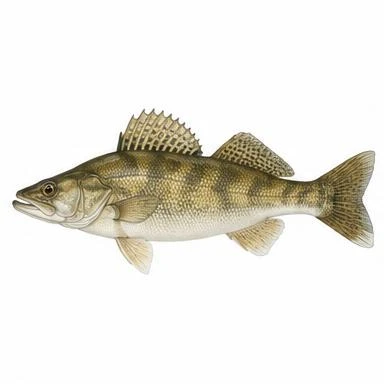 WalleyeNorthern Pike
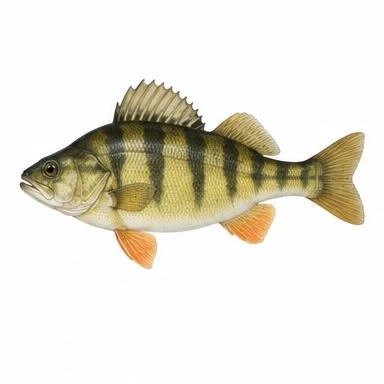 Yellow Perch
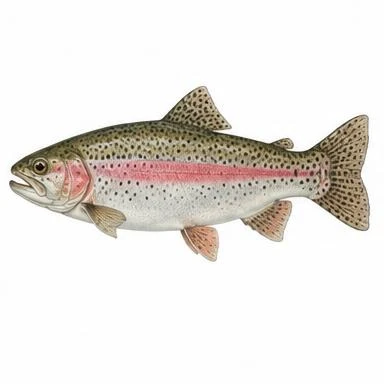 Rainbow Trout
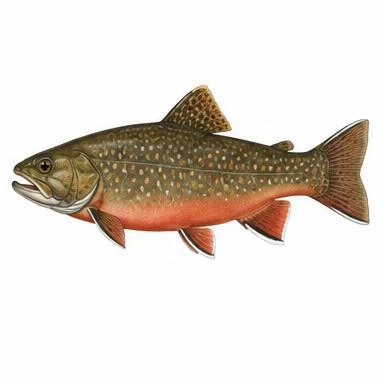 Brook Trout
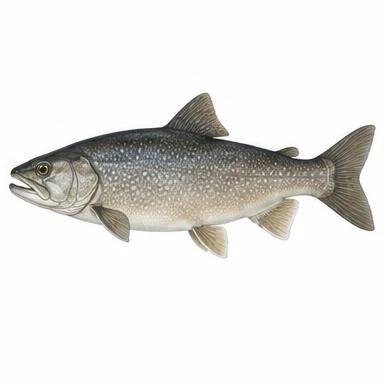 Lake Trout
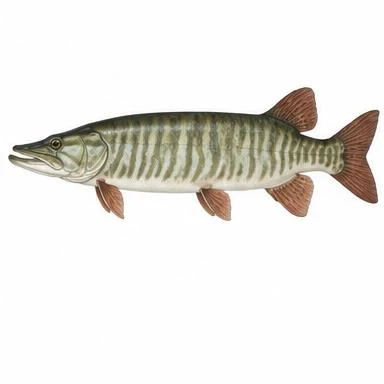 Muskellunge
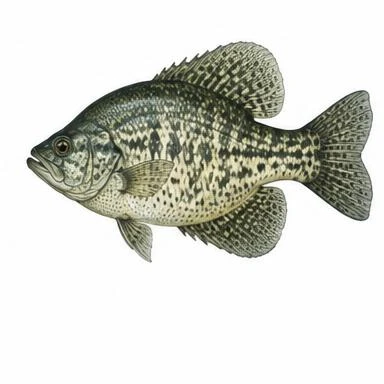 Black Crappie
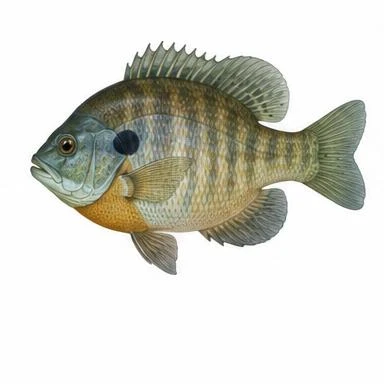 Bluegill
 Channel Catfish