
They school
If you catch one, stay put and keep fishing that spot for a while.
Friendly, schooling panfish: find the school and the action keeps coming.
Some links on this page are affiliate links — we may earn a commission at no cost to you. Read the full disclosure.
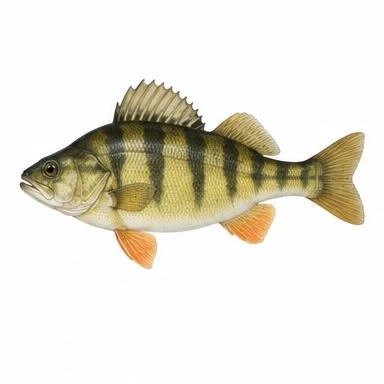
Yellow perch are one of the friendliest fish a new angler can chase. They live in lakes, ponds, and slow rivers across much of North America, bite readily, and are popular to eat. Catch one and there are almost certainly more nearby, and the action can fill an afternoon, which also makes them a great match for kids. The only real puzzle is finding the school.
If you catch one, stay put and keep fishing that spot for a while.
When bites stop after a good run, the school has often drifted, so slide along the edge and try again.
Small baits low and in front of the school beat anything fished high in the water.
Weed edges, drop-offs, docks, and the break where shallow flats meet deeper basins are the places to start; open featureless water rarely holds perch.
| Item | What to look for | Our pick |
|---|---|---|
| Rod and reel | 5'6"-6'6" light or ultralight spinning rod, 2000-size reel | Pick coming soon |
| Line | About 4-6 lb mono, or fluorocarbon for clear water | Pick coming soon |
| Hooks and split shot | Sharp, small hooks; shot to reach the bottom | Pick coming soon |
| Tackle box | Small, so tiny hooks and jigs do not vanish | Pick coming soon |
| Net | Rubber mesh; gentler on fish and slime coat | Pick coming soon |
| Pliers | Needle-nose; remove hooks from small mouths | Pick coming soon |
| Sunglasses | Polarized; spot weed edges and protect eyes | Pick coming soon |
The best all-around setup is a 5'6" to 6'6" light or ultralight spinning rod with a 2000-size reel and 4 to 6 lb monofilament or fluorocarbon. Light gear lets you feel subtle bites and is easy for kids. Look for a smooth drag.
For jigging and drop shot, use an ultralight fast rod with fluorocarbon, or thin braid with a short leader.
From shore, go a little longer for distance; in a boat, shorter rods suit vertical jigging.
| Bait | When it shines | How to fish it | Our pick |
|---|---|---|---|
| Small jig | Almost any time, any season | Sink it, lift a few inches, let it fall; bites come on the drop | Pick coming soon |
| Tiny soft plastic | When you want an artificial or bait is not allowed | Slow retrieve near bottom, or lift and drop | Pick coming soon |
| Slip bobber rig | Weed edges, docks, fish above bottom, kids | Set depth, cast, and watch the float | Pick coming soon |
| Small spoon | Over a located school, especially fall | Drop to bottom, lift, and let it flutter | Pick coming soon |
| Drop shot | Inactive or pressured fish after you find them | Lower to bottom, small shakes, long pauses | Pick coming soon |
| Small inline spinner | Searching long edges for active fish | Steady retrieve near bottom, with pauses | Pick coming soon |
Start at edges, fan your casts, and cover water until you get a bite. Then stay put.
Use bobber and bait, a jig with lift and drop, or a bottom rig, near the bottom.
Watch for a twitch, tilting bobber, or tap. Lift the rod tip firmly, not violently.
Keep steady pressure and do not horse the fish. Wet your hands and hold it from the side with the spiny fin flat.
Basin edges, drop-offs, still-green weed edges, points, and docks or piers reaching deeper water.
Small jigs, soft plastics, spoons, a drop shot, or an inline spinner to search.
Fluorocarbon in clear water, slower presentations, gloves, and a rain jacket.
Wear a life jacket on a boat, watch slick piers, and tell someone your plans.
Wet your hands before handling a fish you plan to release, and grip it from the side with the spiny dorsal fin folded down, or use a net and pliers. Perch are a popular food fish and can be caught in numbers, so keep only what you will use. Licenses, seasons, and keep rules vary by water, so check your local wildlife agency before you go. Never dump leftover bait into the water.
Perch often bite well in daylight, with mornings and evenings common. Try different times.
No. Docks, piers, and weed edges from the bank can be very productive.
A small jig, or a small piece of bait under a bobber, is easy and reliable.
Yes. They bite often once found, and adults should handle the spiny fin when needed.
The one-pager gives the overview — these articles go all the way.
Light gear, three easy techniques, and how to find schools.
Read the guideWhere schools move as the water cools and what to fish.
Read the guideJigs, minnows, spoons, drop shot, and when each one wins.
Read the guideRod, reel, and line specs for shore, boat, and kids.
Read the guide
Freshwater favorites, from bass to brook trout.
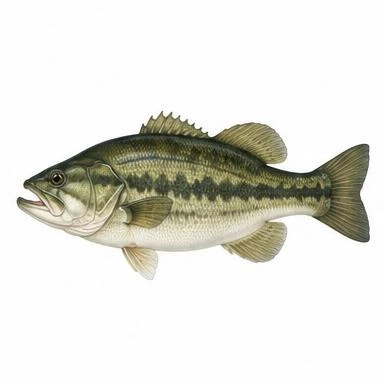 Largemouth Bass
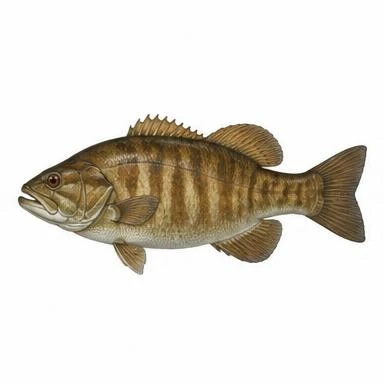 Smallmouth Bass
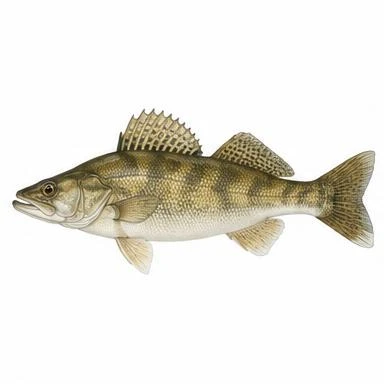 Walleye
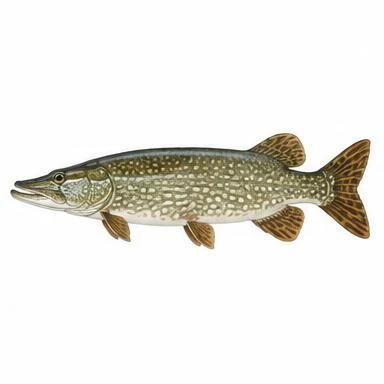 Northern PikeYellow Perch
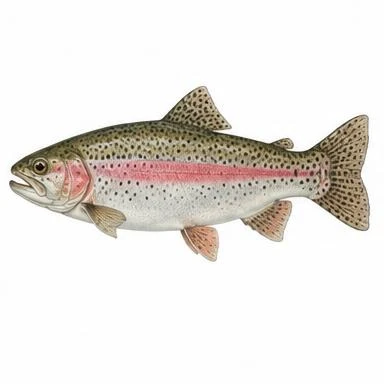 Rainbow Trout
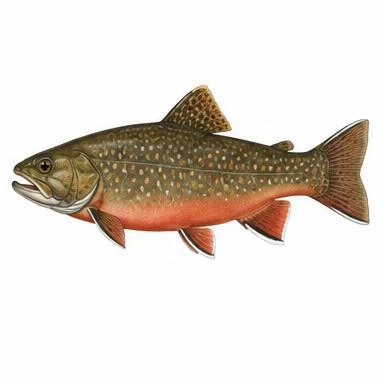 Brook Trout
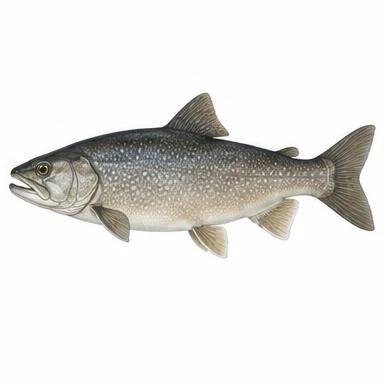 Lake Trout
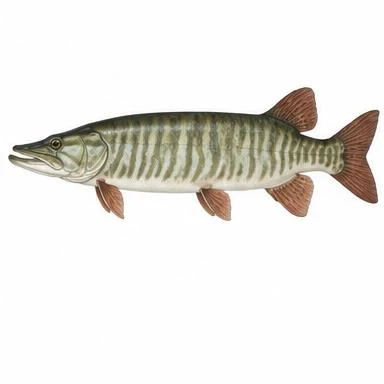 Muskellunge
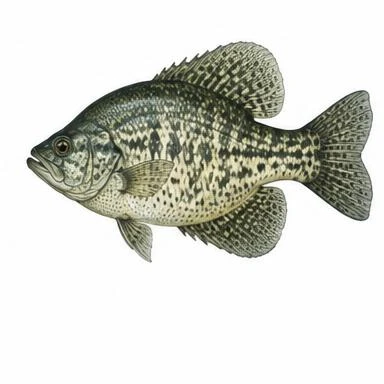 Black Crappie
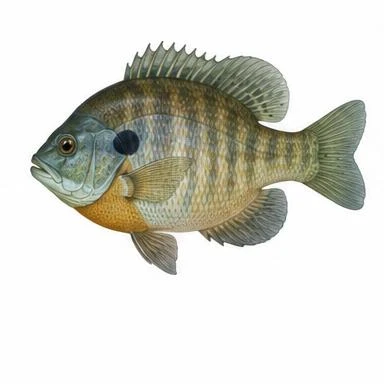 Bluegill
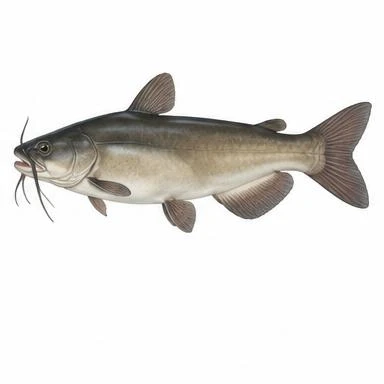 Channel Catfish