
Best Baits and Lures for Rainbow Trout (And When to Use Each)
The best baits and lures for rainbow trout: dough bait, worms, eggs, spinners, spoons, crankbaits, and flies, plus when to use each from the bank or a boat.
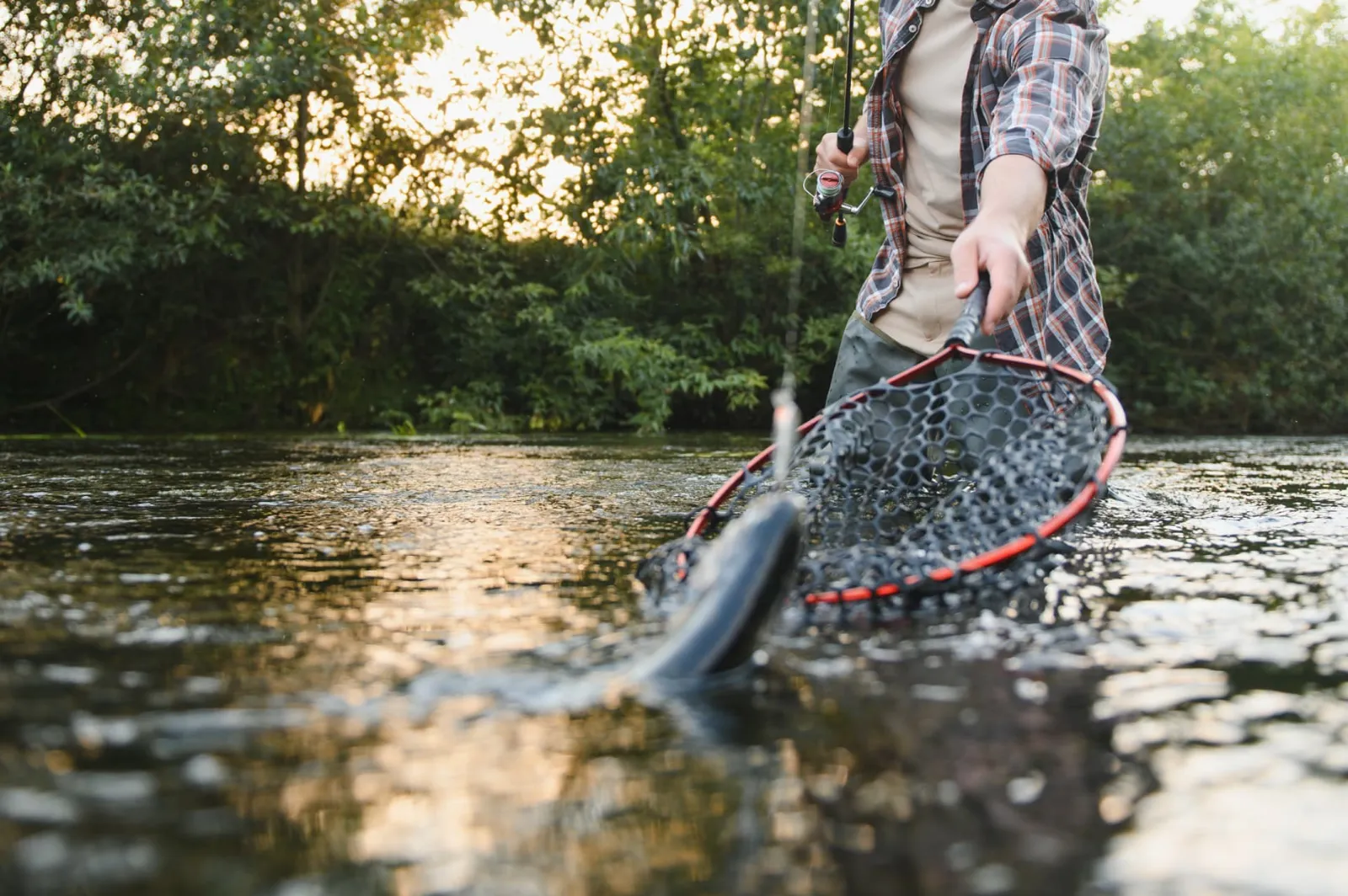
Rainbow trout eat a wide mix of small food, so many different baits work. What matters more is size, speed, and stealth. A smaller offering on lighter line, presented naturally, usually beats a bigger one that looks out of place. The skill is matching the bait to the water: still or moving, clear or stained, stocked or wild.
This guide covers the most reliable trout baits and lures, when to use each, and how to fish them.
Some links on this page are affiliate links. If you buy through them, we may earn a commission at no extra cost to you. See our affiliate disclosure.
How to Choose
- Is the water moving or still? In streams, baits need to drift naturally. In lakes and ponds, you can let a bait sit or troll a lure.
- Are the fish stocked or wild? Newly stocked fish are often happy to eat scented baits and bright lures. Wild or well-pressured fish may prefer small, natural presentations.
- How clear is the water? Clear water favors thin line, small baits, and natural colors. Stained water allows brighter colors and more flash.
- What do the rules allow? Some waters restrict live bait, eggs, scented baits, or hook types. Others are artificial-only or barbless-only. Always check your local wildlife agency.
Bait Options
Dough-style trout bait
A moldable, scented bait that you press onto a small hook. It is one of the most common choices for stocked lakes and ponds.
- When: Stocked waters, still water, and cool to moderate conditions.
- How: Add a split-shot above a short leader, press a small ball of dough onto the hook, and cast it out. The bait often floats, so it sits just above the bottom.
- Bank or boat: Mostly bank, though it works from anchored boats too.
Worms
A small piece of worm on a light hook is a classic for streams and ponds.
- When: Streams after rain, ponds, and lakes where live bait is permitted.
- How: Thread a piece of worm onto a small hook so the ends move naturally. Drift it along the bottom with enough split-shot to tick the rocks.
- Bank or wading: Excellent for both.
Salmon eggs (where allowed)
Single eggs and egg-style baits are a traditional trout offering in many places. Some waters ban or restrict them, particularly where fish are spawning or where only artificial lures are allowed.
- When: Streams and rivers, especially in fall and spring, if permitted.
- How: Use a small hook and a light touch. Drift the egg naturally with the current.
- Check first: Confirm local rules before you buy or use them.
Bobber rigs
A small float suspends bait at a set depth and gives you a visible bite indicator. It is a relaxed way to fish, and it is good for kids and first-timers.
- When: Lakes and ponds, and slow pools.
- How: Set the float so the bait sits where trout are cruising. Watch for the float to twitch, tilt, or slide away, then lift the rod tip.
Lure Options
Inline spinners
A small inline spinner has a blade that rotates around a straight wire shaft. It is easy to fish, and it can find fish in water that is unfamiliar to you.
- When: Streams, rivers, and lakes. Strong choice for covering water.
- How: Cast across or slightly upstream, start reeling to get the blade turning, and retrieve at a steady pace. Let the current swing the lure in streams.
- Tip: Single hooks are easier on fish than treble hooks, and some waters require them.
Small spoons
A spoon is a curved piece of metal that wobbles and flashes. It casts well, even in wind.
- When: Lakes, big pools, and cooler water. Good when fish are chasing baitfish.
- How: Let it sink to the depth you want, then use a slow retrieve with occasional pauses. Many strikes come as the spoon falls.
- Bank or boat: Both, and it troll well.
Small crankbaits
A small minnow-style crankbait imitates a baitfish and dives to a set depth.
- When: Larger trout, lakes, and deeper runs in rivers.
- How: Cast and retrieve at a slow to medium speed, pausing occasionally. Troll along drop-offs and shorelines.
- Tip: Smaller sizes tend to be better for stocked trout.
Soft plastic grubs and minnows
Tiny soft plastics on a light jig head can imitate insects and baitfish.
- When: Clear water, pressured fish, and places where live bait is not allowed.
- How: Cast, let it sink, and retrieve slowly with small lifts and pauses.
Trolling lures
For trolling from a boat, trout-specific spoons, small crankbaits, and attractor-style rigs are common. Rules about the number of rods, lines, and hooks per angler vary.
- When: Larger lakes and reservoirs, especially in cooler months or when fish are suspended.
- How: Troll slowly, vary your depth, and adjust your speed until you get strikes.
Flies (brief)
Fly fishing is its own world, and you do not need it to catch trout. If you want to try, small nymphs, simple dry flies, and egg patterns are a common starter assortment. Learn basic casting first, ideally from a local club or shop.
Hooks and Presentation
- Use small, sharp hooks. Trout have relatively small, soft mouths.
- Keep leaders light. Clear water calls for thin line.
- Use only the weight you need. A bait that moves with the current looks natural.
- Consider barbless or single hooks. They are easier to remove, and they can be easier on fish. Some waters require them.
A Beginner Starter Kit
A compact trout kit covers most situations:
- Dough bait for lakes and ponds
- Small hooks, split-shot, and swivels
- Worms or other legal bait for streams
- Two or three small inline spinners
- A couple of small spoons
- One small minnow-style crankbait
- A small float or bobber
Match the Bait to the Situation
| Situation | Strong choices |
|---|---|
| Stocked pond from the bank | Dough bait, small float rig, small spinner |
| Stream, wading | Worm drift, small inline spinner, small spoon |
| Clear, pressured water | Thin line, small soft plastics, natural-looking flies |
| Large lake from a boat | Trolled spoons, small crankbaits, attractor rigs |
| Cold water | Slower spoon or spinner retrieves, dough bait just off the bottom |
Color Quick Guide
- Clear water: Natural colors such as silver, olive, and brown.
- Stained water: Brighter colors such as chartreuse, orange, and pink.
- Low light: Darker or high-contrast colors.
- Stocked fish: Brighter colors often get attention, though results vary.
Shore vs Boat Notes
From the bank: Dough bait, floats, spinners, and spoons are easy to use. Keep a low profile and cast past where you think fish are, then bring the lure through.
Wading: Drift baits and small lures through pools and seams. Move slowly and keep your shadow off the water.
From a boat: Trolling is efficient for covering water. Use a light drag setting and watch your rod tips for a bend.
Handling and Tackle Tips
- Keep live bait cool and lively, and check local rules on collection, transport, and use.
- Release trout quickly. Wet your hands, use a rubber net, and keep the fish in the water as much as possible.
- Remove hooks gently. Needle-nose pliers help. If a fish is hooked deeply, cut the line close and leave the hook, following local guidance.
- Be cautious with treble hooks. They can injure fish and anglers, so consider replacing them with single hooks if allowed.
FAQ
What is the best bait for rainbow trout? Dough-style trout bait in still water and a small piece of worm in streams are common first choices, where rules allow.
What is the best lure for rainbow trout? A small inline spinner is an easy, reliable starting point.
Do trout bite artificial lures? Yes. Spinners, spoons, small crankbaits, and soft plastics all catch trout.
What color is best for trout? Natural colors in clear water, brighter colors in stained water and low light.
Related: Rainbow Trout Fishing for Beginners and Fall Rainbow Trout Fishing.