
Ambush predator
Bass sit next to weed edges, fallen trees, docks, and rock piles and wait for food, so cast to the object, not to open water.
Find the cover, find the bass. North America's favorite gamefish, from bank or boat.
Some links on this page are affiliate links — we may earn a commission at no cost to you. Read the full disclosure.
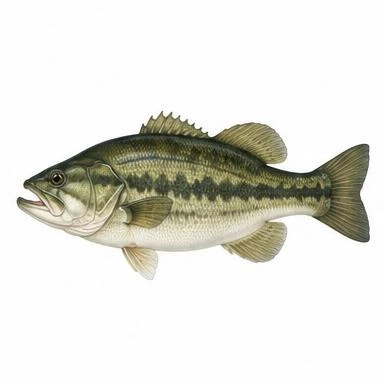
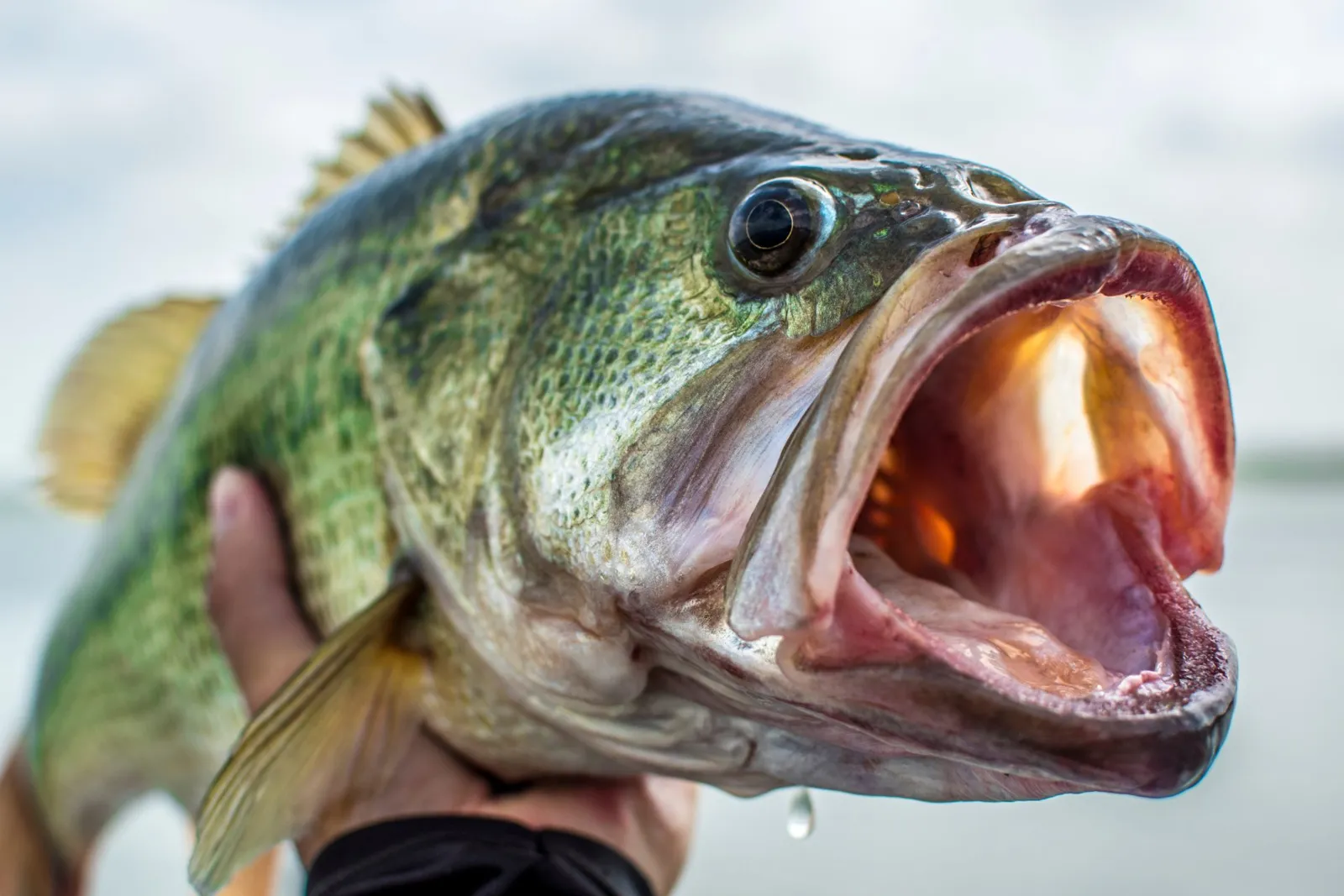
Largemouth bass are North America's most popular freshwater gamefish, and they fight hard for their size. They hit a wide range of lures. Learn to read cover, carry a short list of baits, and you will catch them.
Bass sit next to weed edges, fallen trees, docks, and rock piles and wait for food, so cast to the object, not to open water.
They are most active in the 60s and 70s °F and go sluggish in cold water and midsummer afternoon heat.
Early morning and the last hour before dark are often best, especially in summer.
| Item | What to look for | Our pick |
|---|---|---|
| Spinning combo | 6'6"-7' medium to medium-heavy, fast; easiest first setup | Pick coming soon |
| Baitcasting combo | Same specs; more precise, but expect backlashes | Pick coming soon |
| Line | 8-12 lb mono or fluorocarbon for an all-around start | Pick coming soon |
| Hooks and weights | Offset worm hooks, bullet weights | Pick coming soon |
| Tackle box | Small box, lures sorted by type | Pick coming soon |
| Pliers | Needle-nose, for removing hooks | Pick coming soon |
| Lip grip | Safe handling, quick release | Pick coming soon |
| Sunglasses | Polarized, to see cover and protect eyes | Pick coming soon |
The best all-around choice is a 7' medium-heavy, fast-action baitcasting rod and reel with 12-17 lb line; it handles worms, jigs, spinnerbaits, and many crankbaits. To focus on catching fish first, start with a 6'10"-7' medium to medium-heavy spinning rod, a 2500-3000 reel, and 8-12 lb line.
For frogs in thick cover, go to a 7'+ heavy baitcasting rod with 30-50 lb braid.
From shore a roughly 7' rod adds casting distance; from a boat carry several rigged rods, shorter ones for pitching to docks.
| Bait | When it shines | How to fish it | Our pick |
|---|---|---|---|
| Texas-rigged worm | Any season, heavy cover | Let it sink, hop slowly along bottom | Pick coming soon |
| Wacky stick bait | Spring to fall, clear water, docks | Let it fall on slack line, twitch gently | Pick coming soon |
| Spinnerbait | Spring and fall, stained water | Cast and reel steadily, vary speed | Pick coming soon |
| Squarebill crankbait | Spring and fall, shallow wood and rock | Reel steadily and deflect off cover | Pick coming soon |
| Hollow-body frog | Summer, early and late, over weeds | Walk or pop it, pause at openings | Pick coming soon |
| Paddle-tail swimbait | Bass chasing baitfish, fall | Reel steadily at various depths | Pick coming soon |
| Jerkbait | Cooler, clear water | Twitch twice, then pause | Pick coming soon |
Pick wood, weeds, a dock, or a drop-off, and search with a spinnerbait or topwater before slowing down.
Cast beside the cover and match the lure to the conditions: slow worms for sluggish fish, fast baits for active ones.
Reel down to remove slack, then sweep the rod up hard. On topwater, wait a beat until you feel the weight.
Keep the rod up and line tight, lower the tip if the bass jumps, then lead it in and grab the lower lip or use a lip grip. Wet your hands and return it quickly.
Follow shad into creek backs and coves; work points, green weeds, wood, and docks.
Spinnerbaits, squarebills, lipless crankbaits, jerkbaits, and swim jigs; match color to forage and vary your retrieve.
A 7' medium-heavy baitcaster handles moving baits; braid with a fluorocarbon leader in cover. Bring layers, a rain jacket, and gloves.
Wear a life jacket on a boat in cold water, watch slick banks and wet leaves, and check local rules.
Wet your hands before touching a bass you plan to release, support it, and put it back quickly. A lip grip makes handling safer for you and the fish. Licenses, size limits, and bag limits vary by state and province and change, so check your local wildlife agency before you go. Catch and release helps keep fisheries strong.
Early morning and evening in warm weather; midday can be better when it's cool.
No. Many bass are caught from shore, especially in ponds and small lakes.
A Texas-rigged worm, with a spinnerbait second.
Spinning is easier; baitcasting gives more control once practiced.
The one-pager gives the overview — these articles go all the way.
The short gear list, four easy techniques, and where to find bass from shore or boat.
Read the guideWhere bass go as the water cools, what to throw, and how to dress for it.
Read the guideWhich lures to buy, when each one works, and how to fish them.
Read the guideLength, power, action, reel size, and line, explained with setups for common situations.
Read the guide
Freshwater favorites, from bass to brook trout.
Largemouth Bass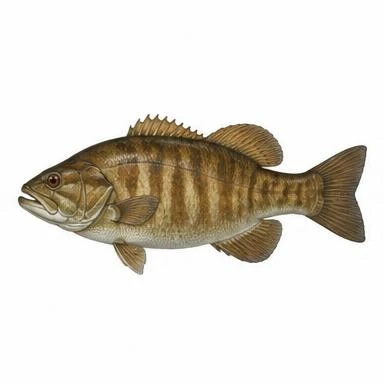 Smallmouth Bass
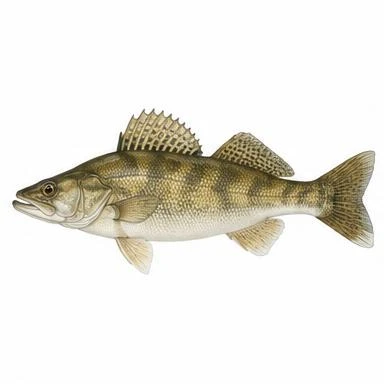 Walleye
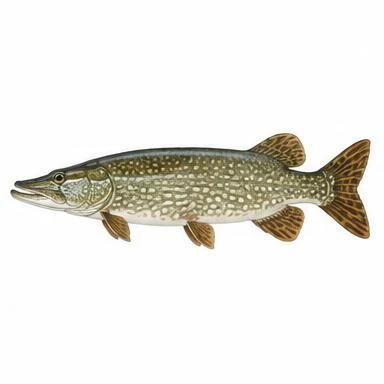 Northern Pike
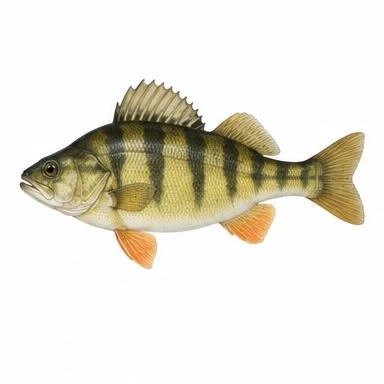 Yellow Perch
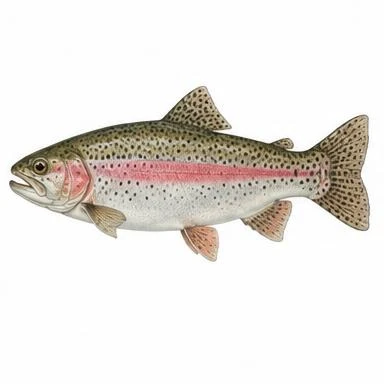 Rainbow Trout
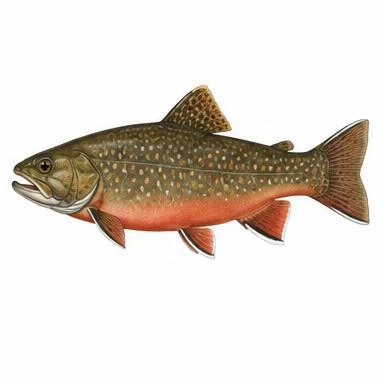 Brook Trout
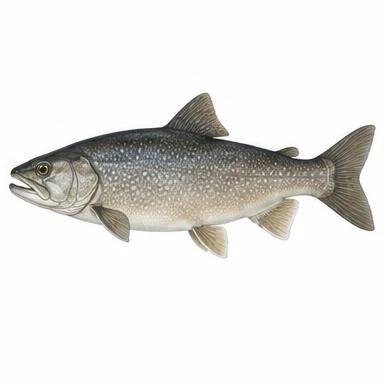 Lake Trout
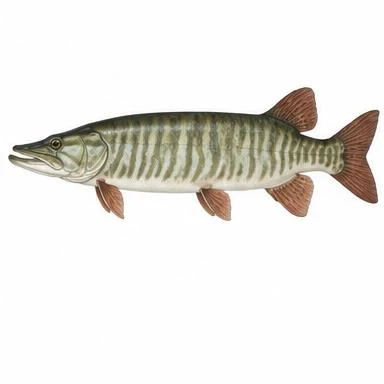 Muskellunge
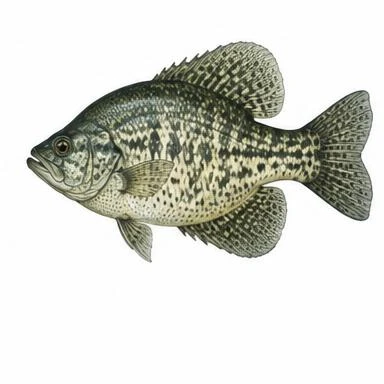 Black Crappie
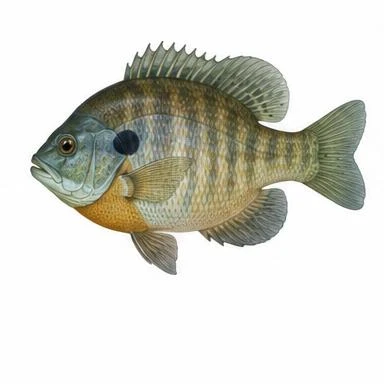 Bluegill
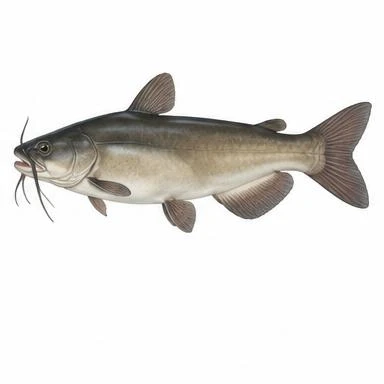 Channel Catfish