
Structure is home
Docks, weed edges, sunken wood, overhanging trees, and rock piles hold them; bare banks are a poor bet.
The classic first fish: steady bites, light gear, and a surprisingly stubborn fight.
Some links on this page are affiliate links — we may earn a commission at no cost to you. Read the full disclosure.
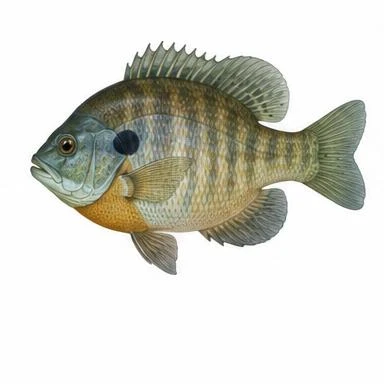
If there is a classic first fish, it is the bluegill. These social sunfish live in ponds, lakes, and slow rivers, bite willingly on small offerings, and bend a light rod far more than their size suggests. Easy does not mean automatic, though: they nibble, so a small hook and light line are what turn bites into fish.
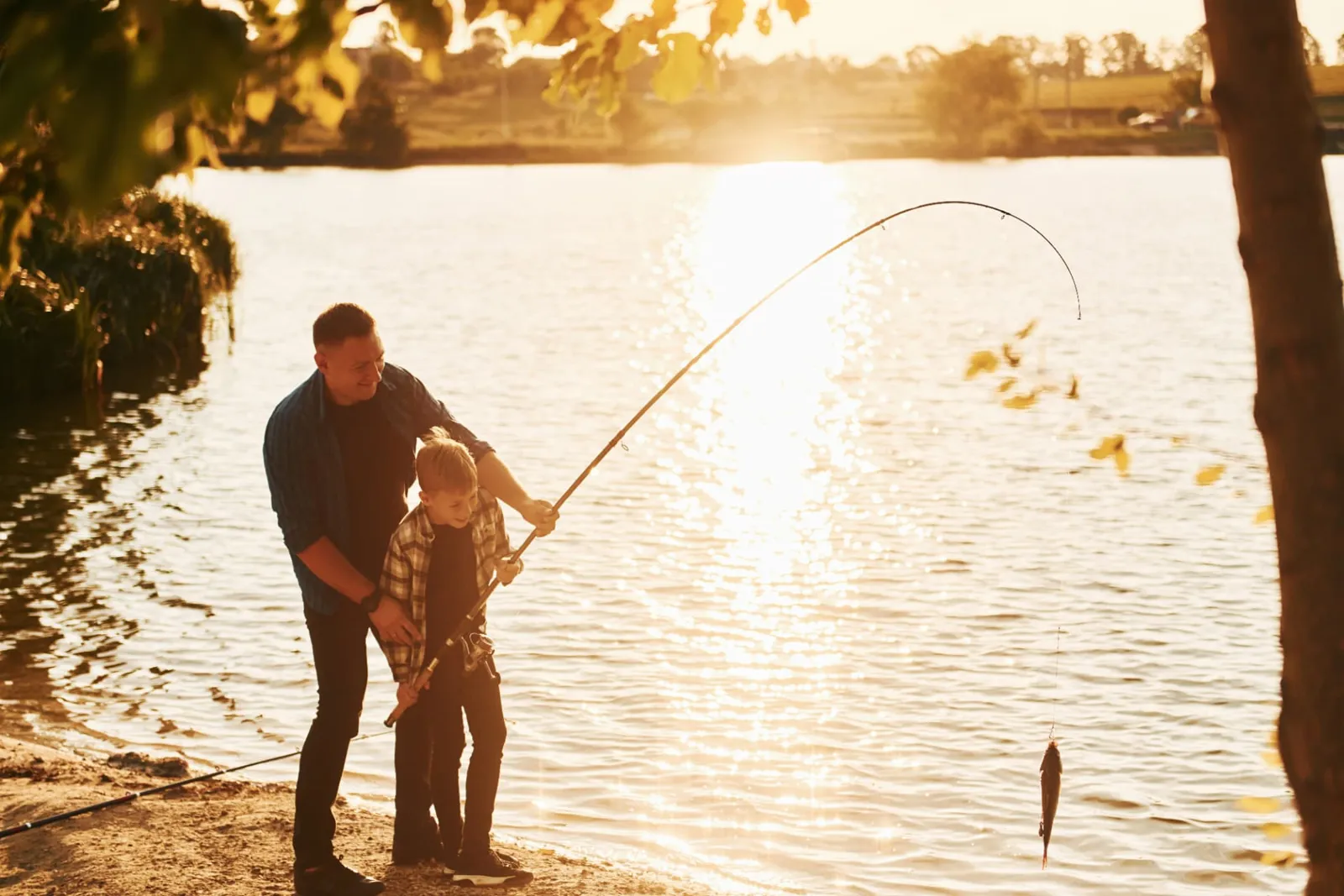
Docks, weed edges, sunken wood, overhanging trees, and rock piles hold them; bare banks are a poor bet.
Find one and you usually find a group, so move if nothing bites soon.
A bluegill often mouths a bait several times first, so small hooks and light line matter.
Late spring and summer fish sit near shore and cover, and males guard nests.
| Item | What to look for | Our pick |
|---|---|---|
| Rod and reel | Ultralight spinning combo, about 5 to 6.5 feet, small reel | Pick coming soon |
| Line | 2-6 lb monofilament; lighter in clear water, heavier in weeds | Pick coming soon |
| Hooks and split-shot | Small light-wire hooks and tiny split-shot | Pick coming soon |
| Bobbers | Small bobbers that show the bite and hold depth | Pick coming soon |
| Micro jigs | Tiny leadheads with soft plastic or feather | Pick coming soon |
| Small spinners | Flash and vibration for finding groups | Pick coming soon |
| Net | Rubber-mesh, gentler than knotted nylon | Pick coming soon |
| Pliers | Needle-nose, for tiny hooks and spiny fins | Pick coming soon |
The best first setup is an ultralight spinning rod, roughly 5 to 6.5 feet, with a small, light spinning reel and a smooth drag, spooled with 2 to 6 lb mono. Avoid medium power or heavier, since a stiff rod hides bites.
Around weeds and wood, use a 6 to 6.5 ft light, fast rod with 4 to 6 lb mono; foam spiders and poppers can go on a spinning rod with a clear bubble float.
About 6 to 6.5 feet helps casting from the bank; 5 to 5.5 foot rods suit tight boat spaces.
| Bait | When it shines | How to fish it | Our pick |
|---|---|---|---|
| Worm piece | Nearly any time, especially slow fish | Short piece on a small hook under a bobber | Pick coming soon |
| Crickets | Warm months near docks and overhangs | Hook gently, fish under a small bobber | Pick coming soon |
| Micro jig | Almost any season, best in cool water | Bobber with small twitches and long pauses | Pick coming soon |
| Tiny soft plastic | Spring through fall | Slow retrieve past weed edges, or lift and fall | Pick coming soon |
| Small spinner | Warm months along weed edges | Cast past the edge, reel just fast enough to turn the blade | Pick coming soon |
| Foam spider or popper | Warm, calm days; pads and docks | Cast, let ripples settle, then twitch gently | Pick coming soon |
Natural colors suit clear water; chartreuse suits stained water or low light. Live bait rules differ by location.
Start at docks, weed edges, and wood, and move if there are no bites soon.
Hang bait a foot or two under a bobber, add split-shot to sink it along weeds, or cast a spinner past an edge to find the group.
Let the fish take the bait a second or two, then lift smoothly; a yank flings the bait away.
Keep the line tight and let the rod flex, since bluegill fight sideways. Net or hand-lift them, and release quickly if not keeping.
Deeper weed edges, brush piles, drop-offs, docks over deeper water, and quiet river eddies.
Downsize to micro jigs with long pauses, tiny plastics, and worm pieces; use a spinner to find the school.
Roughly 2 to 4 lb mono, sensitive bobbers, pliers for cold fingers, plus a rain jacket and gloves.
Fish the mild part of the day, wear a life jacket on a boat, and watch slick docks.
Wet your hands, hold the fish firmly across the body, and keep fingers clear of the dorsal spines; use pliers on small hooks. Give nesting fish room and consider releasing the largest bluegill, which help keep a pond balanced. Licenses, seasons, limits, and live bait rules vary, so check your local wildlife agency.
Morning and evening are often productive, but they bite much of the day around shade and cover.
No. Docks, pond edges, and weed lines are great from shore.
Small pieces of worm under a bobber; check local live bait rules.
You can, but it hides bites and makes small fish feel weak.
The one-pager gives the overview — these articles go all the way.
Light gear, four easy techniques, and where to find bluegill from a dock, shore, or boat.
Read the guideWhere bluegill go as the water cools and the light baits that work.
Read the guideWorms, crickets, micro jigs, spinners, and foam spiders, and when to use each.
Read the guideRod length, power, reel size, and line for ultralight panfish fishing.
Read the guide
Freshwater favorites, from bass to brook trout.
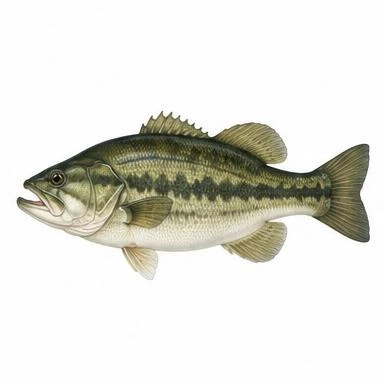 Largemouth Bass
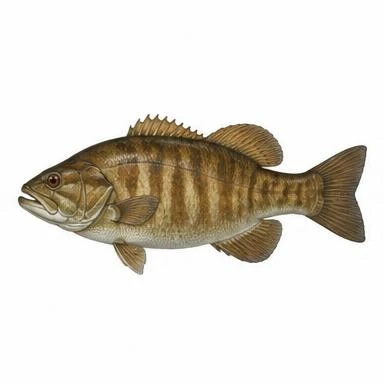 Smallmouth Bass
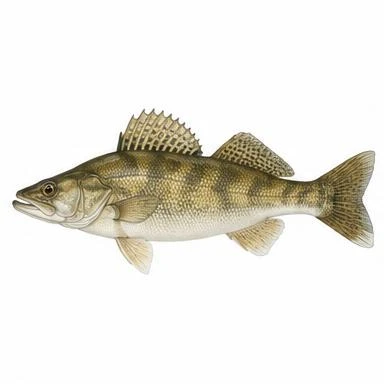 Walleye
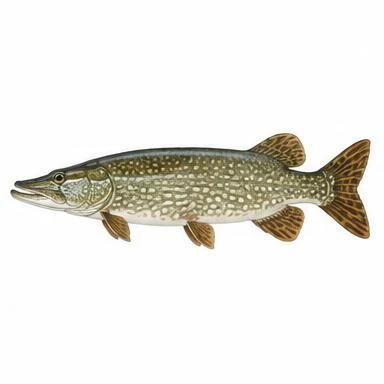 Northern Pike
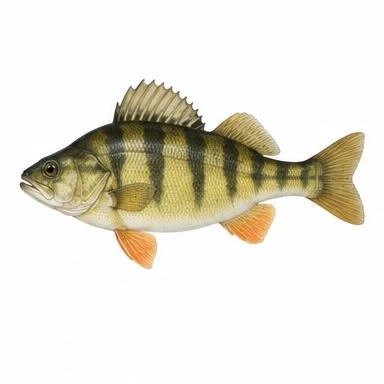 Yellow Perch
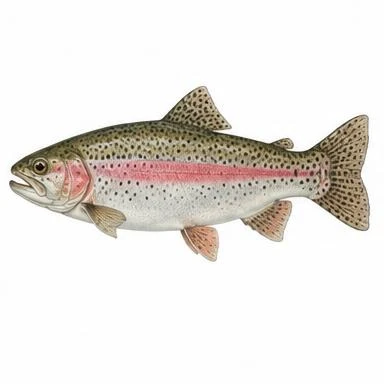 Rainbow Trout
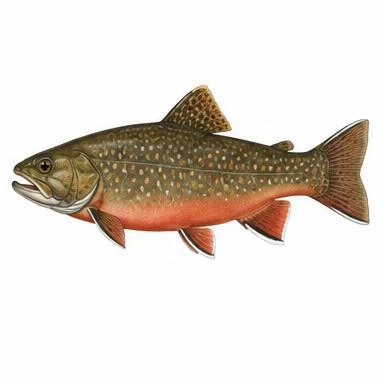 Brook Trout
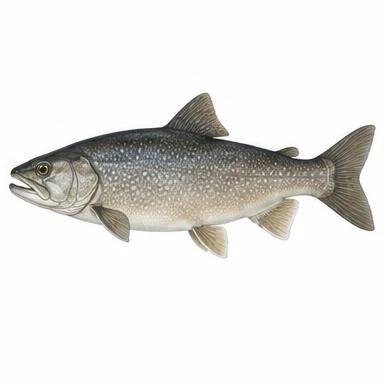 Lake Trout
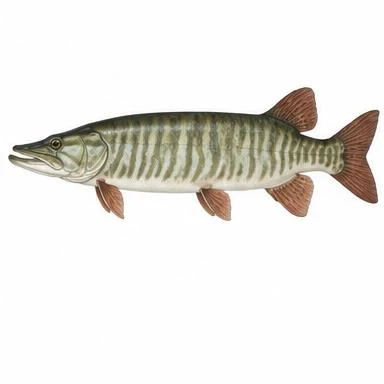 Muskellunge
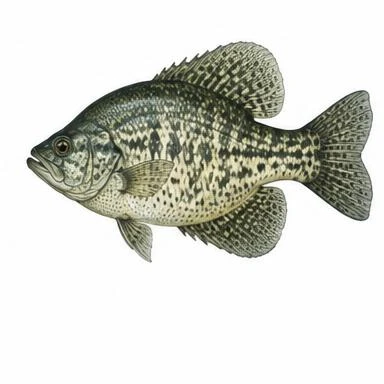 Black CrappieBluegill
 Channel Catfish