
Cold, clean water is non-negotiable
Headwater streams, spring-fed creeks, beaver ponds, and deep cold lakes hold them; a warm, muddy stream does not.
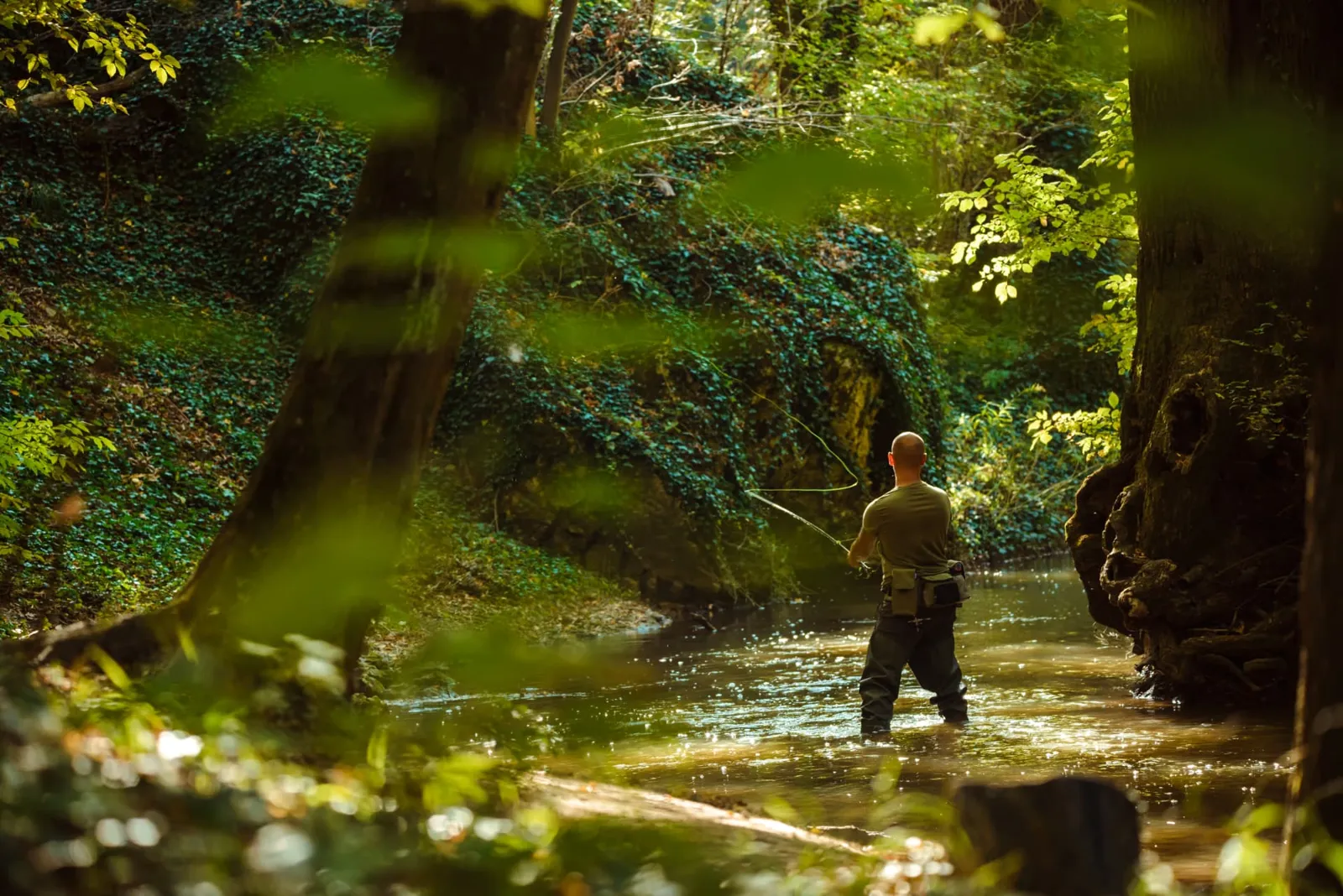
Painted char in cold, tiny water: stay stealthy, scale down, and release gently.
Some links on this page are affiliate links — we may earn a commission at no cost to you. Read the full disclosure.
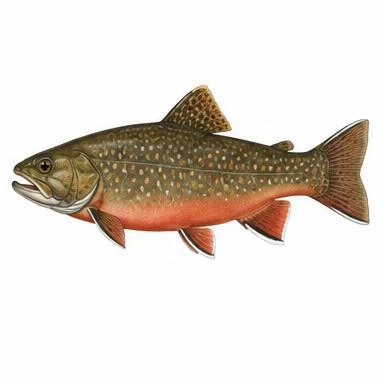
Brook trout are among the most colorful freshwater fish in North America, with red spots ringed in blue and white-edged orange fins. Technically a char, they are fished like trout. They live in small, quiet, cold water where a light rod and a handful of small lures is all you need, and where stealth catches more fish than gear does.
Headwater streams, spring-fed creeks, beaver ponds, and deep cold lakes hold them; a warm, muddy stream does not.
They see you and your shadow from far off, so approach low and slow.
Undercut banks, logs, boulders, and the deep side of a bend.
Warm water and silt hurt them fast, so careful handling is part of the sport.
| Item | What to look for | Our pick |
|---|---|---|
| Rod and reel | 5' to 6'6" ultralight or light spinning, 1000 to 2000 reel | Pick coming soon |
| Line | 2 to 6 lb mono or fluorocarbon; lighter in small, clear streams | Pick coming soon |
| Hooks | Single hooks, barbs pinched down; easier on released fish | Pick coming soon |
| Net | Rubber mesh, for gentle landing and release | Pick coming soon |
| Pliers | Needle-nose, to pull small hooks fast | Pick coming soon |
| Sunglasses | Polarized, to spot fish, logs, bottom, and nests | Pick coming soon |
| Waders | For stream work | Pick coming soon |
The best first setup is a 5' to 6'6" ultralight or light spinning rod in fast or moderate-fast action, a 1000 to 2000 reel with a smooth drag, and 2 to 6 lb mono or fluorocarbon. Use 2 to 4 lb for small clear streams, 4 to 6 lb for ponds, brush, and larger fish.
For hiking to remote water, a telescoping or multi-piece ultralight packs short and sets up fast.
Go around 5' to 5'6" for tight, brushy creeks and 6' to 6'6" from a canoe, kayak, or pond bank for casting distance.
| Bait | When it shines | How to fish it | Our pick |
|---|---|---|---|
| Small inline spinner | Moving water, fall, aggressive fish | Cast across or upstream; retrieve to keep the blade spinning | Pick coming soon |
| Small spoon | Ponds, lake edges, deep pools, wind | Let it sink, retrieve slowly with pauses | Pick coming soon |
| Soft plastic grub | Deep pools, beaver ponds, cold water | Cast, let it sink, slow steady retrieve or gentle hops | Pick coming soon |
| Small crankbait | Fish feeding on minnows, ponds, lakes | Slow, steady retrieve with pauses; swap trebles for singles | Pick coming soon |
| Worm (where allowed) | Streams after rain, stained water, early spring | Drift upstream with little shot, line fairly tight | Pick coming soon |
| Small float rig | Still water and pond edges where fish cruise | Suspend bait or tiny lure at a set depth | Pick coming soon |
Target pools, seams, undercut banks, and cold inflows.
Let the lure swing or sink for a moment, then reel steadily with the rod tip up. Bites are often quick and sharp.
Use a light lift; light line breaks if you yank.
Use the drag, wet your hands, keep the fish in the water, and support it until it swims off.
Pools, undercut banks, beaver pond inlets, and lake edges or feeder streams, though gravel at pool tails may hold nests.
Small spinners first, then small spoons and soft plastics; streamer flies if you fly fish. Orange, red, and bright colors can trigger territorial strikes.
Dress for the water, not the air, and slow your retrieve in cold water.
Never wade through spawning gravel or target fish holding over a nest, and release spawning-season fish quickly. Many waters have fall closures or special rules, so check with your wildlife agency before every trip.
Wet your hands, use a rubber net, keep air time to a few seconds, and revive tired fish facing the current. Skip warm water; stressed fish may not survive release. Some waters require release. Seasons, hook and bait rules, and special regulations vary by stream, so check your local wildlife agency before each trip.
Technically they are char, but anglers treat them as trout and the fishing is similar.
Early morning and evening, especially in warm weather; midday can work in cool seasons.
A small inline spinner is a strong all-around choice, followed by a small spoon.
Yes. Fish are active and colorful, but they are also spawning, so fish with care and check for closures.
The one-pager gives the overview — these articles go all the way.
Light gear, easy techniques, and how to find brook trout in streams, beaver ponds, and lakes.
Read the guideWhere spawning-season fish go, what to throw, and how to protect gravel nests.
Read the guideSmall spinners, spoons, worms, and flies, plus when to use each.
Read the guideRod length, power, reel size, and light line for streams, ponds, and lakes.
Read the guide
Freshwater favorites, from bass to brook trout.
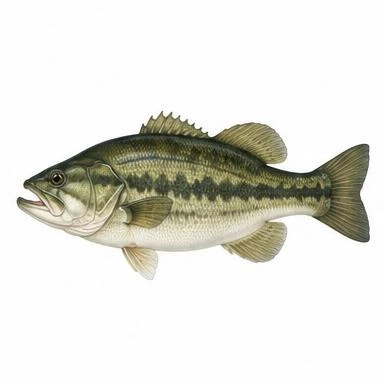 Largemouth Bass
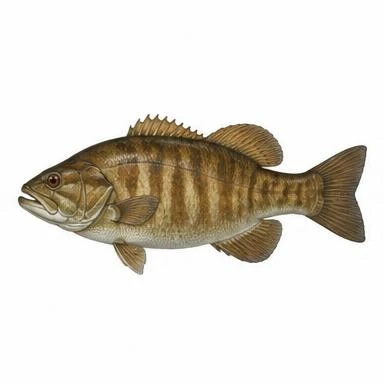 Smallmouth Bass
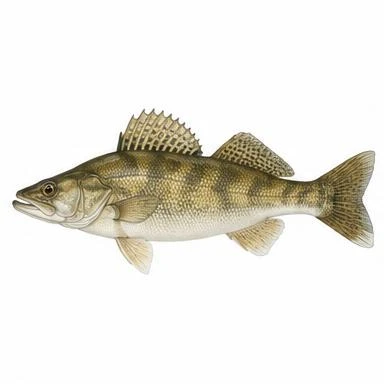 Walleye
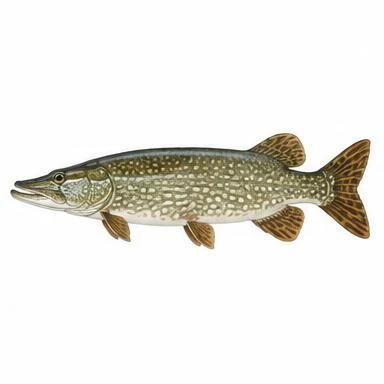 Northern Pike
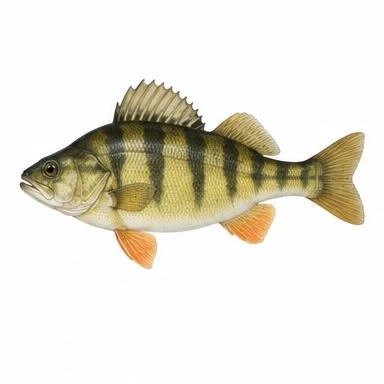 Yellow Perch
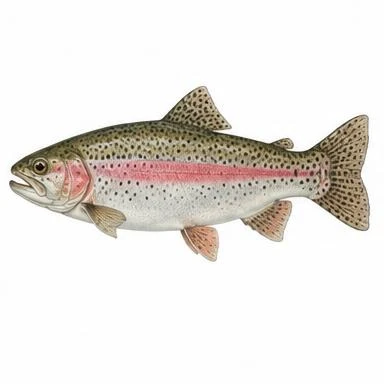 Rainbow TroutBrook Trout
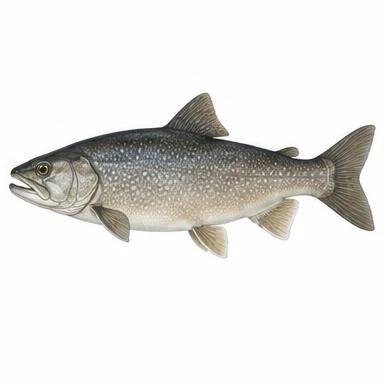 Lake Trout
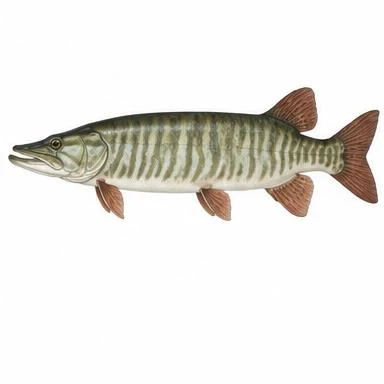 Muskellunge
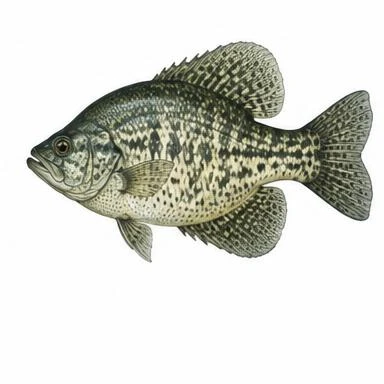 Black Crappie
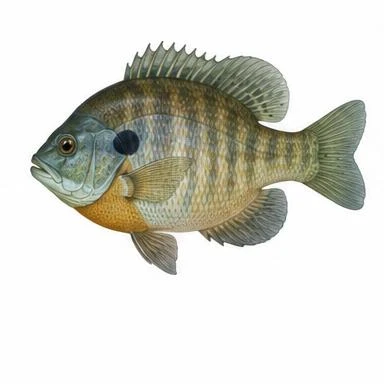 Bluegill
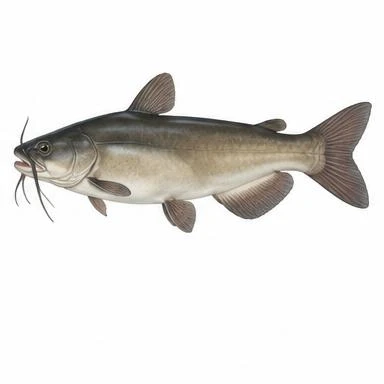 Channel Catfish