
They are toothy ambushers
Every lure needs a steel or very heavy fluorocarbon leader.
The fish of 10,000 casts: huge, toothy, and worth it if you play the long game.
Some links on this page are affiliate links — we may earn a commission at no cost to you. Read the full disclosure.
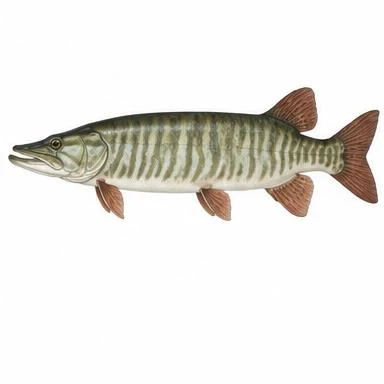
Muskie are the largest and most feared freshwater predators in much of the northern United States and southern Canada, and "the fish of 10,000 casts" is a nickname they earned honestly. Even experts go many trips between fish, so count follows and good casts as wins, and keep the heavy gear and release tools ready for the day one eats.
Every lure needs a steel or very heavy fluorocarbon leader.
Weed edges, rock, points, humps, and drop-offs near baitfish.
Common, so finish every cast with a figure-eight.
Ask local fisheries staff which waters hold real fish.
| Item | What to look for | Our pick |
|---|---|---|
| Rod and reel | 8'-9' heavy or extra-heavy rod with a large baitcasting reel | Pick coming soon |
| Main line | Heavy braid, commonly 80-100 lb; little stretch for long hooksets | Pick coming soon |
| Leader | Strong steel, sized for the fish, not the lure | Pick coming soon |
| Net or cradle | Very large; holds the whole fish in the water | Pick coming soon |
| Long-nose pliers | Reach hooks past the teeth | Pick coming soon |
| Jaw spreader | Holds the mouth open for safe hook removal | Pick coming soon |
| Hook cutters | Cut a hook that cannot be removed safely | Pick coming soon |
| Lure storage | Large bag or box; keeps hooks untangled | Pick coming soon |
The best first setup is an 8' to 9' heavy or extra-heavy baitcasting rod with a large baitcasting reel, 80 to 100 lb braid, and a strong steel or heavy fluorocarbon leader. The length gives casting distance and leverage, and the power throws heavy lures and drives big hooks into a bony mouth. Baitcasters have a learning curve, so practice in open space first.
Go extra-heavy for the biggest bucktails and swimbaits, and add a trolling rod if you troll often.
From shore, a balanced combo cuts fatigue; in a boat, carry several rigged rods in a case or rack.
| Bait | When it shines | How to fish it | Our pick |
|---|---|---|---|
| Bucktail | Workhorse; summer and fall, weed edges, rock | Steady retrieve, vary speed, figure-eight | Pick coming soon |
| Jerkbait | Cover, cooler water, followers | Snap down, reel slack, pause; strikes follow | Pick coming soon |
| Topwater | Low light, warm water, shallow weeds | Steady surface retrieve; wait for weight | Pick coming soon |
| Large swimbait | Fall, fish chasing baitfish | Steady at fish depth, or slow near weeds | Pick coming soon |
| Large spoon | Need distance or deeper edges | Steady retrieve, or lift and fall for flash | Pick coming soon |
| Deep crankbait | Deeper edges and drop-offs in fall | Troll along structure, or cast | Pick coming soon |
Cast to a weed edge, point, or rock, not open water, and keep the rod tip low.
Vary your speed and stay alert to the end, since many muskie follow and strike late.
Finish every cast with a wide figure-eight. On a surface strike, wait until you feel weight, then sweep the rod.
Do not play the fish to exhaustion. Net it, keep it in the water, support the belly, measure on a mat, and revive it.
Deeper edges of green weeds, rock humps, points, narrows, and baitfish bays.
Large bucktails, jerkbaits, swimbaits, spoons, and deep crankbaits. Go bigger, and slow down in cold water.
Add a waterproof jacket and warm gloves, and a rod with backbone for heavier baits.
Cold water shock is real, so wear a life jacket in a boat and watch slick rocks and fast current.
Keep muskie in the water, support the belly, and never hold one by the jaw or gills alone. Use a spreader and long pliers, and cut a hook rather than injure the fish. Muskie often have special size, season, catch-and-release, and tagging rules, so check your local wildlife agency before you go.
Yes. They are a low-density, long-game fish, so expect many trips without a fish.
Sometimes. Weedy bays, points, river edges, and docks can work, but options are limited.
A large bucktail is a common first choice because it is simple and covers water.
It is common. Keep the lure moving, finish with a figure-eight, and keep casting.
The one-pager gives the overview — these articles go all the way.
Honest expectations, heavy gear basics, the figure-eight, and where to fish.
Read the guideWhere muskie go as the water cools and which big baits to throw.
Read the guideBucktails, jerkbaits, topwater, swimbaits, and more, with timing and tactics.
Read the guideRod, reel, braid, and leader specs for casting, trolling, and shore or boat.
Read the guide
Freshwater favorites, from bass to brook trout.
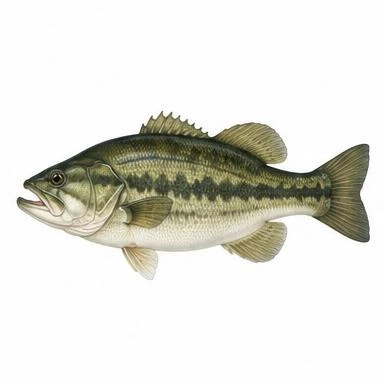 Largemouth Bass
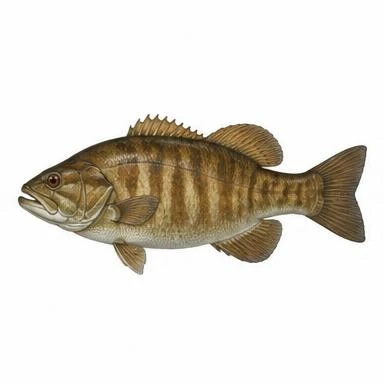 Smallmouth Bass
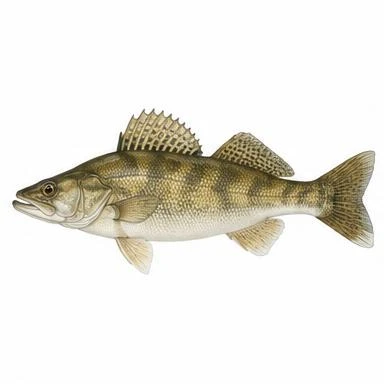 Walleye
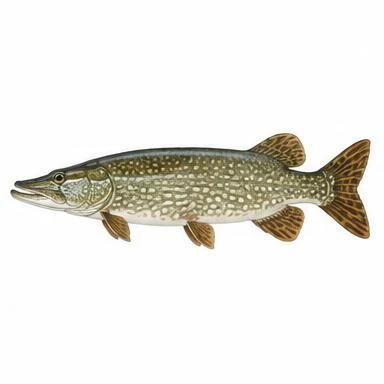 Northern Pike
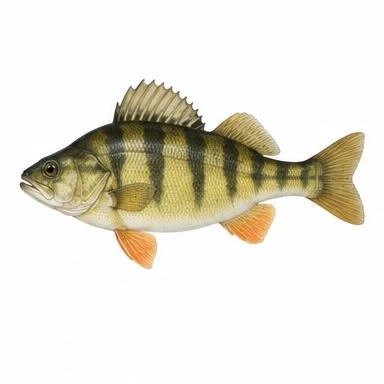 Yellow Perch
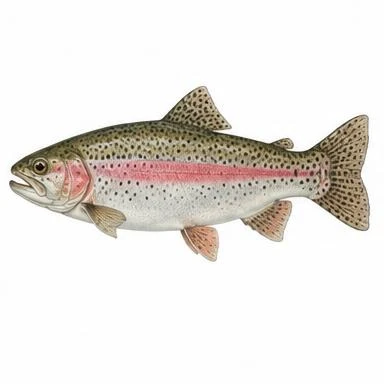 Rainbow Trout
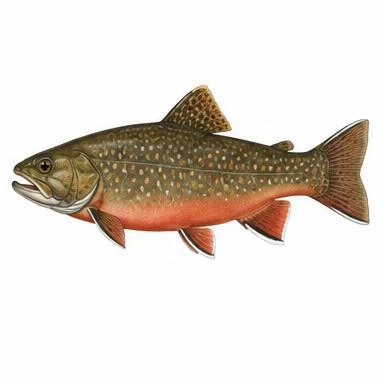 Brook Trout
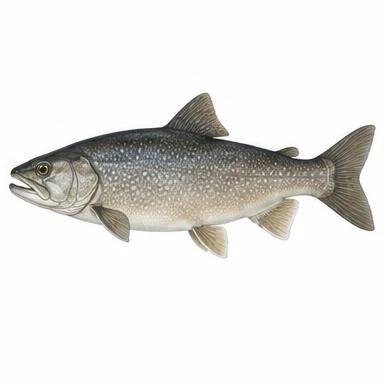 Lake TroutMuskellunge
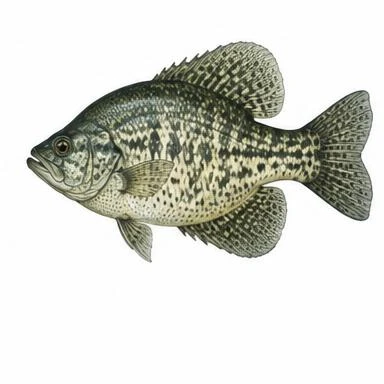 Black Crappie
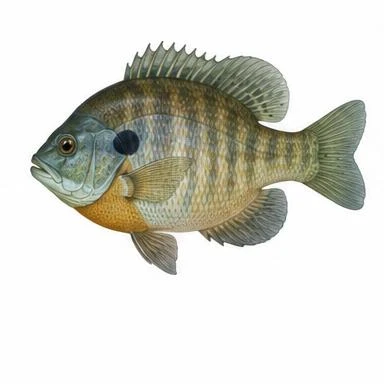 Bluegill
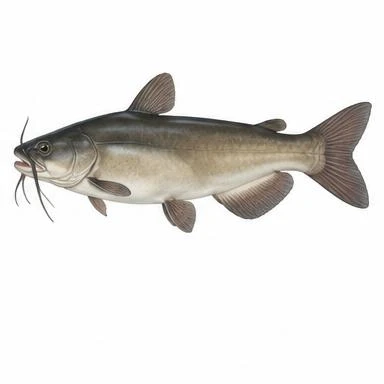 Channel Catfish