
Low-light hunters
Dawn, dusk, night, and cloudy or choppy days are prime; bright midday sun sends them deeper or into shade.
Big eyes, low light, soft bites. Learn the timing and walleye get easy.
Some links on this page are affiliate links — we may earn a commission at no cost to you. Read the full disclosure.
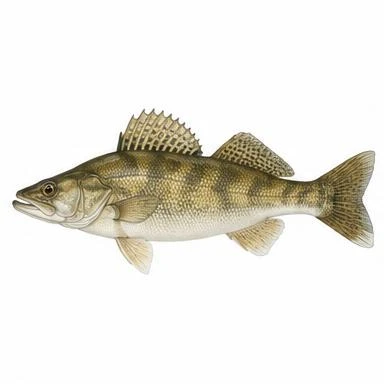
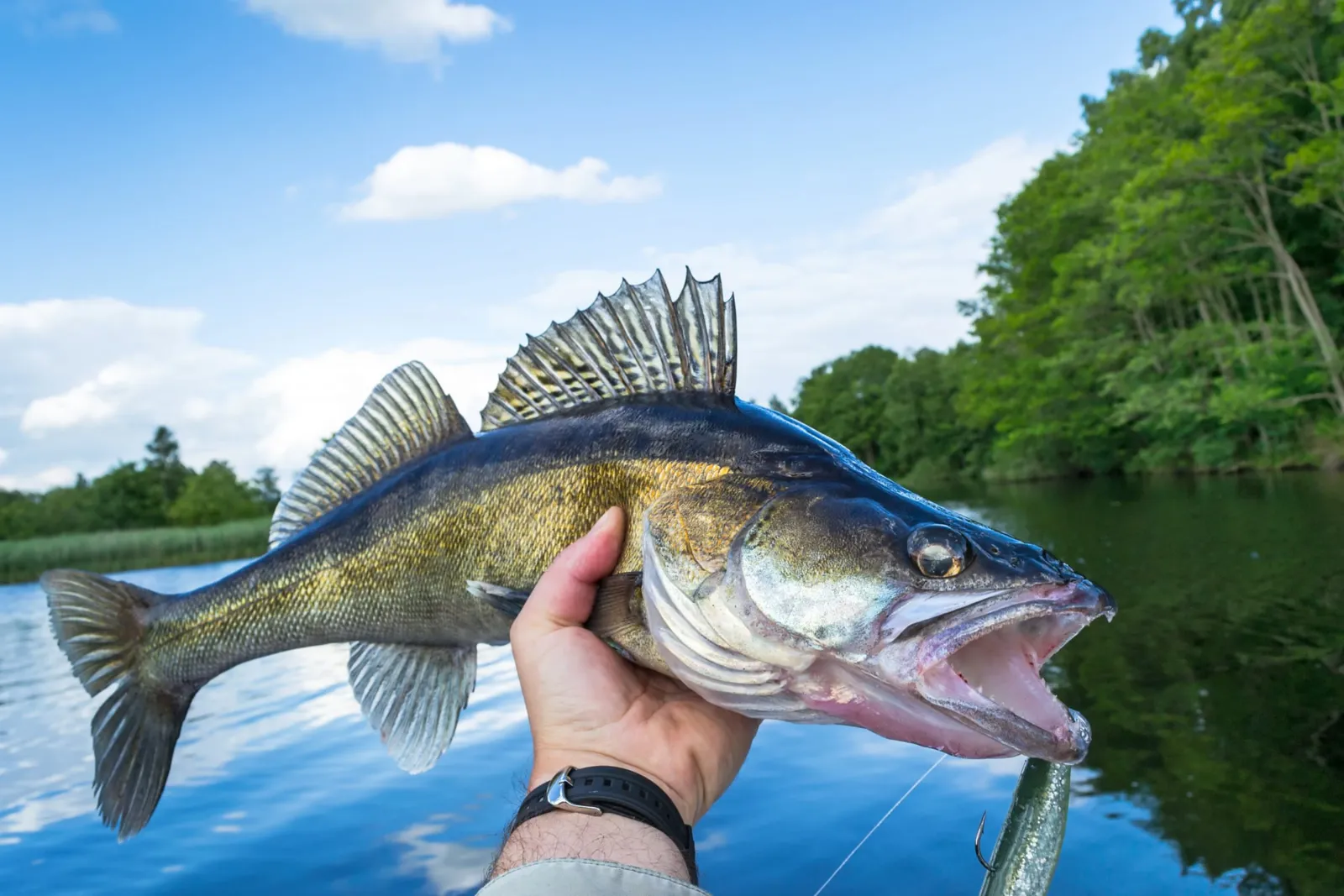
Walleye are among the best-tasting freshwater fish, but they don't bite like bass. Big, light-sensitive eyes mean they feed in dim light, hold on specific structure, and often bite so softly you barely feel it. Show up at dusk, fish the bottom near rock, and keep a tight line.
Dawn, dusk, night, and cloudy or choppy days are prime; bright midday sun sends them deeper or into shade.
Points, rock reefs, humps, drop-offs, weed edges, and current breaks hold them, while open featureless water rarely does.
Keep most presentations within a foot or two of the bottom.
Minnows, shiners, perch, and shad are staples; a wind chop can dim the water and spark a midday bite.
| Item | What to look for | Our pick |
|---|---|---|
| Rod and reel | 6'6"-7'6" medium to med-light fast spinning, 2000-3000 reel | Pick coming soon |
| Main line | 8-10 lb braid, sensitive to faint bites | Pick coming soon |
| Leader | 6-10 lb fluorocarbon, 3 to 6 feet | Pick coming soon |
| Jig heads | 1/8, 1/4, 3/8 oz; lightest that feels bottom | Pick coming soon |
| Live-bait rig | Lindy rig with sliding sinker | Pick coming soon |
| Tackle box | Organizes jigs, plastics, rigs | Pick coming soon |
| Headlamp | Red-light mode protects night vision | Pick coming soon |
| Net | Rubber-mesh, gentler on fish | Pick coming soon |
| Lip grip | Sharp teeth and gill plates; handle carefully | Pick coming soon |
The best all-around setup is a 6'6" to 7'6" medium or medium-light, fast-action spinning rod with a 2000-3000 reel, 8-10 lb braid, and a fluorocarbon leader. Sensitivity matters most because bites are light, and a smooth drag keeps hooks in soft mouths.
For trolling, add a 7'-8'6" medium, moderate-action trolling rod and a line-counter reel to repeat depths.
From shore, a light 7' to 7'6" rod for distance; in a boat, shorter rods for vertical jigging.
| Bait | When it shines | How to fish it | Our pick |
|---|---|---|---|
| Jig and minnow | Spring and fall, slower fish | Lift gently, let it fall, stay in contact | Pick coming soon |
| Paddle-tail plastic | Fall, spring, or where live bait isn't allowed | Steady retrieve along bottom, or lift-drop | Pick coming soon |
| Crawler harness | Summer, early fall, big flats | Troll slowly, bouncer ticking bottom | Pick coming soon |
| Minnow crankbait | Dawn, dusk, night, rocky shores | Slow retrieve; strikes come on pauses | Pick coming soon |
| Blade bait | Cool water, fish near the bottom | Lift sharply, let it flutter; hits on fall | Pick coming soon |
| Slip bobber | Fish at a known depth, weed edges | Set the depth, cast, watch the bobber | Pick coming soon |
| Swimbait | Active fish chasing baitfish, fall | Reel steadily near bottom | Pick coming soon |
Pick a point, reef, drop-off, or current break, and be there at dusk, night, or dawn.
Jig a minnow near bottom, drag a Lindy rig, or slowly retrieve a crankbait with pauses.
Keep a tight line, reel down on any tap or extra weight, then sweep the rod up firmly without jerking wildly; with a Lindy rig, free-spool briefly first.
Keep the rod up and let the drag handle short runs and headshakes, net the fish, wet your hands, and support it if releasing.
Rocky shorelines and points at night, reefs, drop-offs, river seams and deep holes, and green weed edges early in fall.
Jig and minnow, paddle-tails, swimbaits, blade baits, and minnow crankbaits; slow down and use long pauses.
Same spinning outfit, plus a red-light headlamp, warm layers, and gloves.
Tell someone where you are going, wear a life jacket in a boat, watch wet rocks and dams, and check night-fishing rules.
Walleye have sharp teeth and gill plates, so use a lip grip and wet hands, and support the fish if releasing it. Many anglers keep a few to eat and release larger breeding fish, which helps keep fisheries healthy. Rules differ by water, including night fishing and live bait, so check your local wildlife agency.
Dawn, dusk, and night, plus cloudy or windy days.
Yes. Rocky points, harbors, jetties, and river banks, especially at night.
A jig tipped with a minnow; nightcrawlers or leeches on a Lindy rig are classics.
Mostly because of timing and location; the right spot in low light helps a lot.
The one-pager gives the overview — these articles go all the way.
The starting gear, four easy techniques, and where to find walleye from shore or boat.
Read the guideWhere walleye go as the water cools, the best fall baits, and night-fishing gear.
Read the guideJigs, live-bait rigs, crankbaits, and metal baits, with when and how to fish each.
Read the guideRod length, power, reel size, and line for jigging, casting, and trolling.
Read the guide
Freshwater favorites, from bass to brook trout.
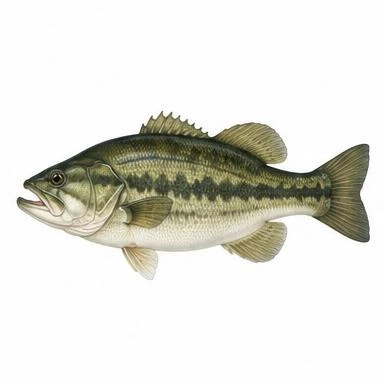 Largemouth Bass
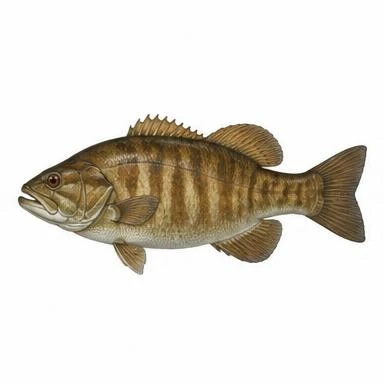 Smallmouth BassWalleye
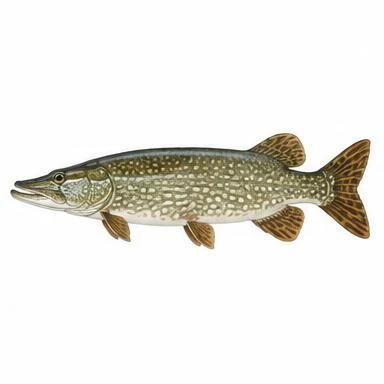 Northern Pike
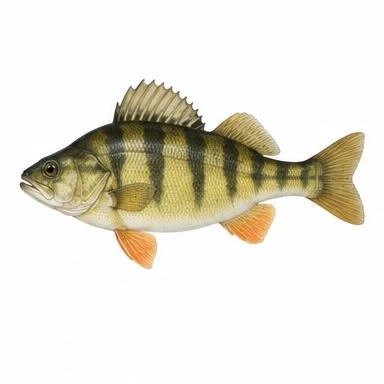 Yellow Perch
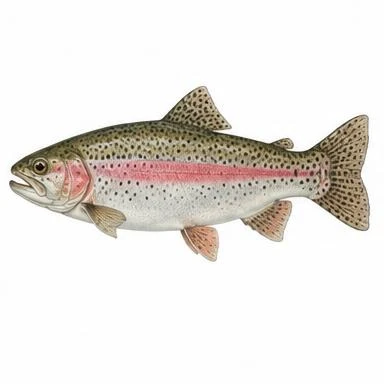 Rainbow Trout
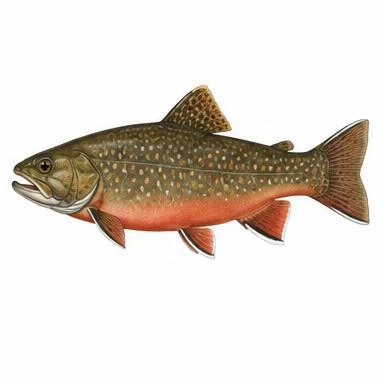 Brook Trout
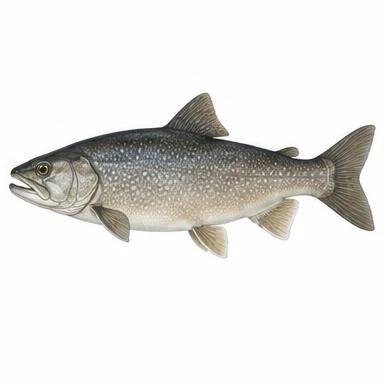 Lake Trout
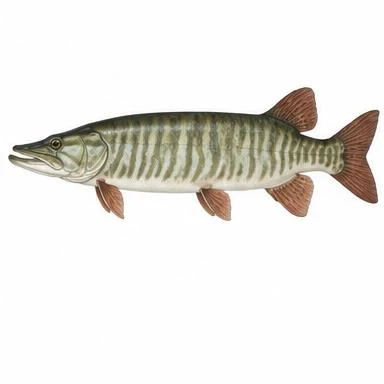 Muskellunge
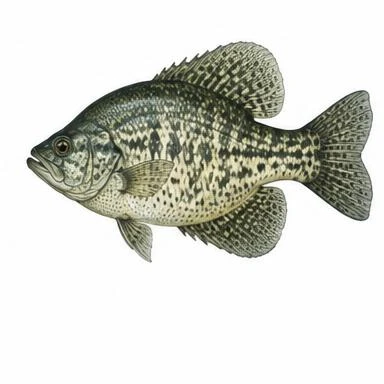 Black Crappie
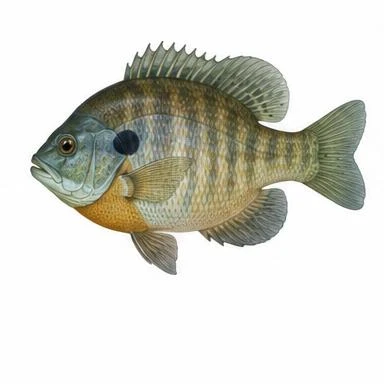 Bluegill
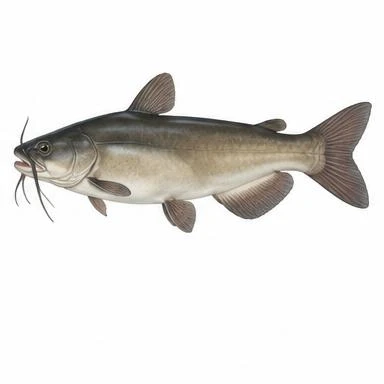 Channel Catfish