
Rainbow Trout Fishing for Beginners: Gear, Techniques, and Where to Catch Them
New to trout? Learn the light gear you need, easy bait and spinner techniques, and where to find rainbow trout from a bank, wading a stream, or a boat.
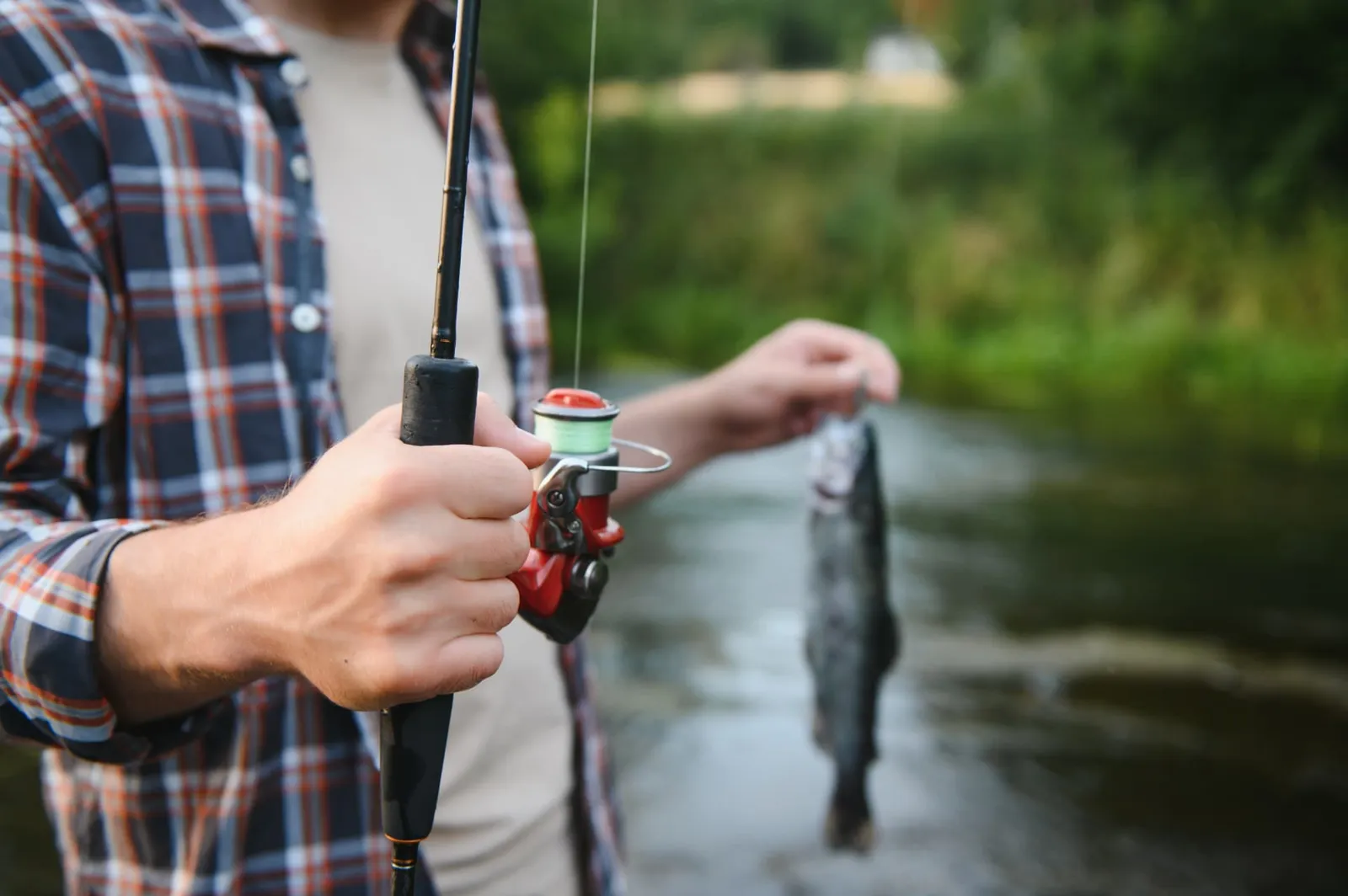
Rainbow trout are one of the easiest gamefish to start with and one of the hardest to master. They live in cold streams, rivers, lakes, and stocked ponds across much of North America, and many of those waters are stocked on a schedule. That makes them reachable for a first-timer. They are also wary and sensitive to heavy-handed tactics, so light gear and a quiet approach matter.
This guide covers the short gear list, the techniques that work for new anglers, and how to read the water from the bank, while wading, or from a boat.
Some links on this page are affiliate links. If you buy through them, we may earn a commission at no extra cost to you. See our affiliate disclosure.
Know the Fish First
Rainbows are easy to recognize by the pink to reddish band along the side and the small dark spots across the back and tail. Where they live and how they behave shapes everything else.
- They want cool, oxygen-rich water. Trout are generally comfortable in cold water and get stressed as it warms. Cold springs, shaded streams, and deep lake basins hold them longer into summer.
- Many waters are stocked, many are wild. Stocked fish tend to be less cautious at first, then get pickier as they settle in. Wild fish are usually warier. Your state or provincial wildlife agency usually publishes where and when stocking happens.
- Streams are about current. Trout hold in calmer water next to faster water, so the fish can rest while food drifts to them.
- Lakes are about cruising. In lakes and ponds, trout often move along shorelines, drop-offs, and inlets looking for food, especially in cooler months and low light.
- Some rainbows migrate. In certain regions a sea-run form (often called steelhead) enters rivers under its own rules, so check locally.
The Beginner Gear List
Trout fishing rewards a light, simple setup. Heavy line and big hooks spook fish and make small bites hard to feel.
Rod, reel, and line
A 6' to 7' ultralight or light spinning rod with a 1000 to 2500 size reel handles nearly everything from a small creek to a stocked lake. Spool it with 4 to 6 lb monofilament. Mono is forgiving, easy to knot, and has some stretch to cushion a head shake. Fluorocarbon is a fine alternative where the water is clear and the fish are pressured.
Want the full breakdown? See our best rod and reel for rainbow trout guide.
Terminal tackle
You need very little: small hooks, small swivels, and split-shot sinkers. Split-shot lets you add or remove weight in seconds so the bait drifts naturally. Use the least weight that works.
Starter baits and lures
A short list catches plenty of trout:
- Dough-style trout bait, a scented, moldable bait that you press onto a small hook
- Small inline spinners, which flash and thump as they are reeled
- Small spoons, which flutter like a wounded baitfish
Worms and, where allowed, salmon eggs are classic too. Rules on live bait, eggs, and scented baits differ by water, so check first. We cover these in detail in best baits and lures for rainbow trout.
Fly fishing, briefly
Fly fishing is optional. If it appeals, a basic outfit and a few simple patterns are a low-pressure way to try it. Learn casting from a local class, club, or shop first.
Small items that matter
- A rubber-mesh net protects the fish's skin and slime coat.
- Needle-nose pliers unhook small, deep-hooked fish quickly.
- Polarized sunglasses cut glare so you can spot fish, current seams, and the bottom, and they protect your eyes.
- Waders (or at least waterproof boots) if you plan to get into a stream.
- A small tackle box.
Three Easy Techniques to Learn First
1. Floating dough bait off the bottom (lakes and ponds)
Put a split-shot on the line a foot or two above a small hook, then press a small ball of dough bait onto the hook. The bait floats, so it rides above the bottom on a short leader and is easy for cruising trout to find. Cast out, let it settle, and watch the rod tip for a twitch or slow pull.
2. Drift fishing a worm or bait (streams)
Cast slightly upstream, let the bait tumble along the bottom with the current, and follow it with your rod tip. Keep a little contact with the line. Most bites feel like a tap or a pause in the drift. Adjust split-shot until the bait moves at the speed of the water.
3. Casting a small spinner or spoon
Cast across or slightly upstream, then retrieve just fast enough to keep the blade turning. In streams, let the current swing the lure through a pool or seam. In lakes, try different depths by letting it sink for a few seconds before you reel. Trout often strike at the end of the retrieve, so keep reeling until the lure is at your feet.
Where to Catch Trout From the Bank or Wading
Moving water changes how you read a spot, and it also changes how you move.
- Start at the tail of a pool. The slower, smoother water at the downstream end is where trout often sit and feed.
- Fish the seams. The line between fast and slow water carries food.
- Check undercut banks and shade. Fish tuck under cut banks, logs, and overhanging brush.
- Approach from downstream. Trout face into the current, so walking up behind them is quieter.
- Stay low and slow. Shadows and heavy footsteps carry through water.
- Check access. Stay off private land unless you have permission.
On lakes and ponds, walk the shoreline and check inlets, points, and steeper banks. Stocked fish often cruise near where they were released.
Where to Catch Trout From a Boat
- Troll slowly along drop-offs and shorelines with small spoons, spinners, or crankbaits. Vary speed and depth until you find strikes.
- Fish inlets and springs. Cold water entering a lake can hold trout, especially in warm weather.
- Keep engine and anchor noise down in shallow areas.
Wading Safety
Cold water and current are the main dangers in trout streams.
- Wear a wading belt with waders so water does not flood them if you fall.
- Use boots with good traction and shuffle your feet, testing each step. A wading staff helps.
- Skip fast, deep, or unfamiliar water. If you cannot see the bottom or the current pushes hard, stay out.
- Watch for dam releases. Levels can change quickly below dams.
- Dress for cold. Hypothermia can set in even on mild days.
How to Set the Hook and Land the Fish
- Lift the rod tip with a short, firm sweep. Trout have soft mouths, so avoid a big yank.
- Keep the rod up and let a light drag work. Trout often run and jump.
- Guide the fish into a rubber net rather than hauling it onto the bank.
- Keep the fish wet. Trout are sensitive to warm hands, dry hands, and rough handling.
Rules and Respect
Licenses, stocking-only waters, bait restrictions, gear rules (such as barbless hooks or artificial-only sections), seasons, and limits vary by water and change often. Check your local wildlife agency before every trip. If you plan to release a fish, keep it in the water as much as possible, handle it with wet hands or a rubber net, and revive it facing into the current until it swims off on its own.
Your Quick Starter Checklist
- 6'-7' ultralight or light spinning rod with a 1000-2500 reel
- 4-6 lb monofilament
- Small hooks, swivels, and split-shot
- Dough bait, a small inline spinner, and a small spoon
- Rubber net, pliers, and polarized sunglasses
- Waders or waterproof boots, plus a wading belt for streams
- A valid fishing license and the local regulations
FAQ
What is the best bait for a beginner? Dough-style trout bait in a lake and a worm or small spinner in a stream are common starting points, where local rules allow.
Can I catch trout from shore? Yes. Stocked ponds and lake shorelines suit bank anglers.
Next up: Fall Rainbow Trout Fishing, where to find trout as the water cools and what to throw.