
Scent beats flash
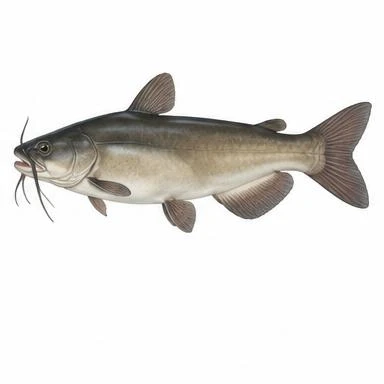
Barbels and skin carry taste sensors, so they find food in murky water or darkness.
Smelly bait on the bottom, patience, and a rod that bends double.
Some links on this page are affiliate links — we may earn a commission at no cost to you. Read the full disclosure.
Channel cats are one of the easiest big freshwater fish to get started on. They hunt by smell and taste, so you do not need fancy lures or perfect casts; you need fresh, stinky bait sitting on the bottom in the right place, plus patience. They pull hard for their size and live in everything from farm ponds to big rivers.
Barbels and skin carry taste sensors, so they find food in murky water or darkness.
Keep bait on or near the bottom.
Evening, night, and early morning are best, though clouds or stained water help by day.
River cats rest in slow water and move to feed; lake cats patrol edges between shallow and deep.
| Item | What to look for | Our pick |
|---|---|---|
| Rod and reel | 7' to 7'6" medium-heavy spinning rod, 4000-5000 reel | Pick coming soon |
| Line | 12-20 lb mono; heavier around wood and rock | Pick coming soon |
| Circle hooks | Small for worms, large for big cut bait | Pick coming soon |
| Slip-sinker rig | Carolina-style, sliding weight and leader | Pick coming soon |
| Bait | Fresh cut bait, kept cold | Pick coming soon |
| Rod holder | Sturdy, anchored firmly | Pick coming soon |
| Bite alarm | Bell or electronic alarm for night | Pick coming soon |
| Handling gloves | Protection from sharp spines | Pick coming soon |
| Headlamp | Red light mode keeps night vision | Pick coming soon |
The best all-around setup is a 7' to 7'6" medium-heavy, moderate-fast spinning rod with a 4000 to 5000 reel with a smooth, strong drag, spooled with 12 to 20 lb mono. It casts heavy sinkers, handles cut bait, and turns a big fish.
For big rivers and heavy weights, use a 7'6" to 8' heavy, fast rod, a 5000 spinning reel or large baitcaster, and 20 lb mono or braid with a leader.
A longer rod gives shore distance; 6'6" to 7' is easier in a boat with holders.
| Bait | When it shines | How to fish it | Our pick |
|---|---|---|---|
| Cut bait | Rivers, reservoirs, fall; bigger fish | Chunk hooked through the skin, point exposed, on the bottom | Pick coming soon |
| Stink or dip bait | Warm, stained, or slow water; ponds | Sponge hook or dip worm; cast gently | Pick coming soon |
| Nightcrawlers | Spring and summer; ponds and flats | One or two on a circle hook, bottom or float | Pick coming soon |
| Chicken liver | Warm months; ponds and slow rivers | Hold on with bait thread, near the bottom | Pick coming soon |
| Shrimp | Ponds and lakes, smaller channel cats | Thread on a small hook, bottom or float | Pick coming soon |
| Soft plastic swimbait | Active fish in low light; below dams | Crawl along the bottom; expect fewer bites | Pick coming soon |
Soft baits fall apart in fast water, so use firm cut bait in current. Check local rules on baitfish.
Pick depth near the bank, a river bend, a hole, or a channel edge, and plan to fish low-light hours.
Tie a slip-sinker rig with a circle hook, cast out, let the weight settle, and take up slack until the line is gently tight.
Do not yank. Wait through the taps until the rod loads up and the fish moves off with the bait.
Lean back and lift smoothly, let the drag handle runs, then guide the fish into a net or hold it behind the head.
Deeper river holes, channel edges, flats beside deeper water, and current seams; follow baitfish.
Fresh cut bait first, with stink bait or crawlers as backups; re-bait often, since cool water slows scent.
Add a rain jacket, warm layers, and gloves, plus a headlamp and a rod holder with a bell.
Dam releases can raise water fast, so obey posted signs, stay off wet concrete, and wear a life jacket.
Hold a channel cat firmly behind the head, never across the back, and use gloves and long-nose pliers. Clean any spine wound promptly. Check your local wildlife agency for licenses, limits, bait and night fishing rules, and fish consumption advisories, and confirm identification if your water holds other catfish.
Evening, night, and early morning, though cloudy days and stained water can produce all day.
No. Many are caught from the bank, piers, and docks.
It sets itself when the fish turns, so you reel steadily.
Sometimes, but bait catches far more.
The one-pager gives the overview — these articles go all the way.
The short gear list, the basic rig, circle-hook technique, and where to fish.
Read the guideWhere catfish go as water cools, the best fall baits and rigs, and how to dress.
Read the guideCut bait, stink bait, crawlers, liver, and shrimp, plus rigs and the few lures that work.
Read the guideRod power, reel size, and line for bottom fishing from shore or a boat.
Read the guide
Freshwater favorites, from bass to brook trout.
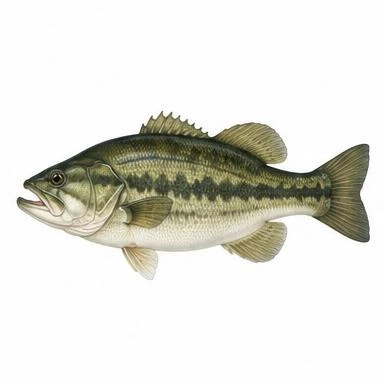 Largemouth Bass
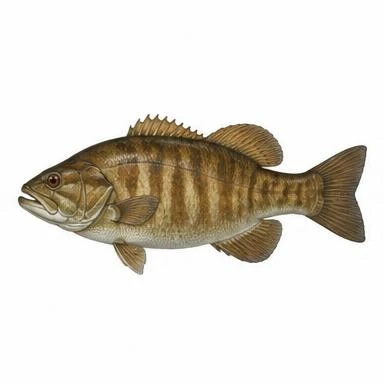 Smallmouth Bass
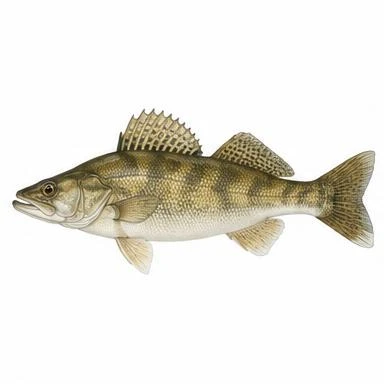 Walleye
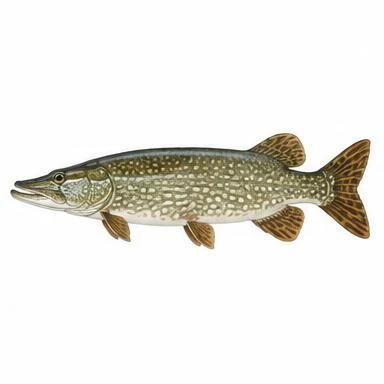 Northern Pike
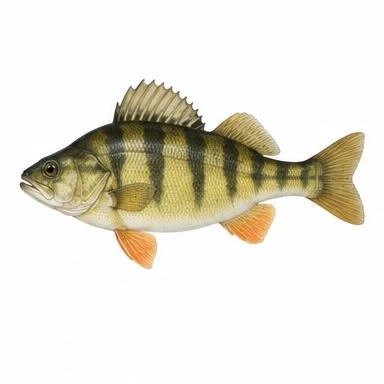 Yellow Perch
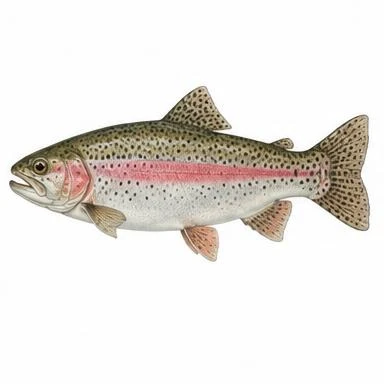 Rainbow Trout
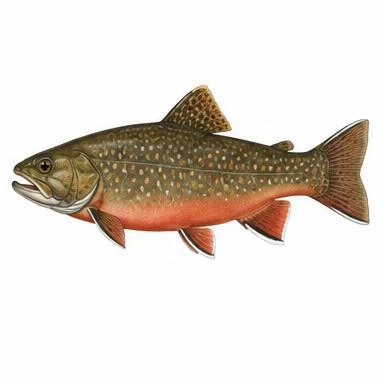 Brook Trout
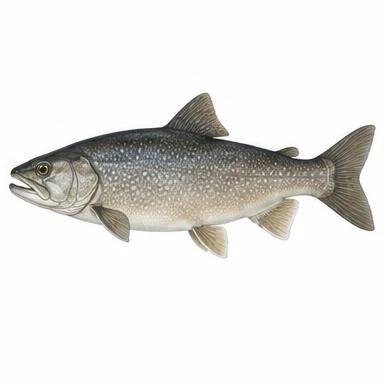 Lake Trout
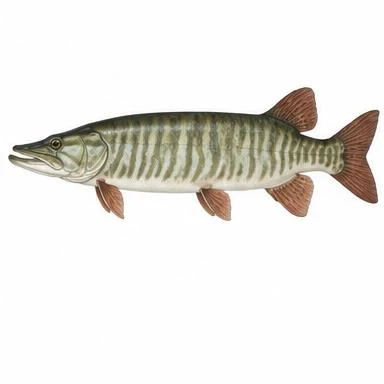 Muskellunge
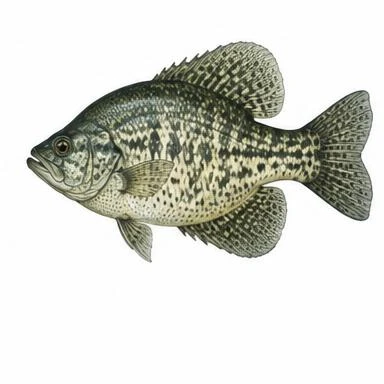 Black Crappie
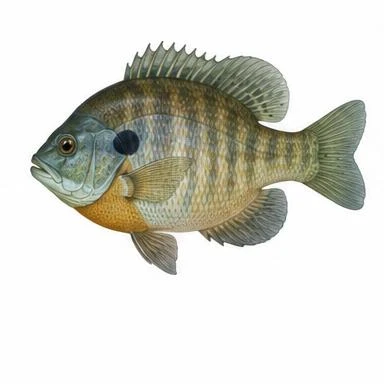 BluegillChannel Catfish