
Best Rod and Reel for Brook Trout: How to Choose the Right Setup
Choosing a brook trout rod and reel? Learn the right length, power, reel size, and 2-6 lb line for small streams, beaver ponds, and lakes.
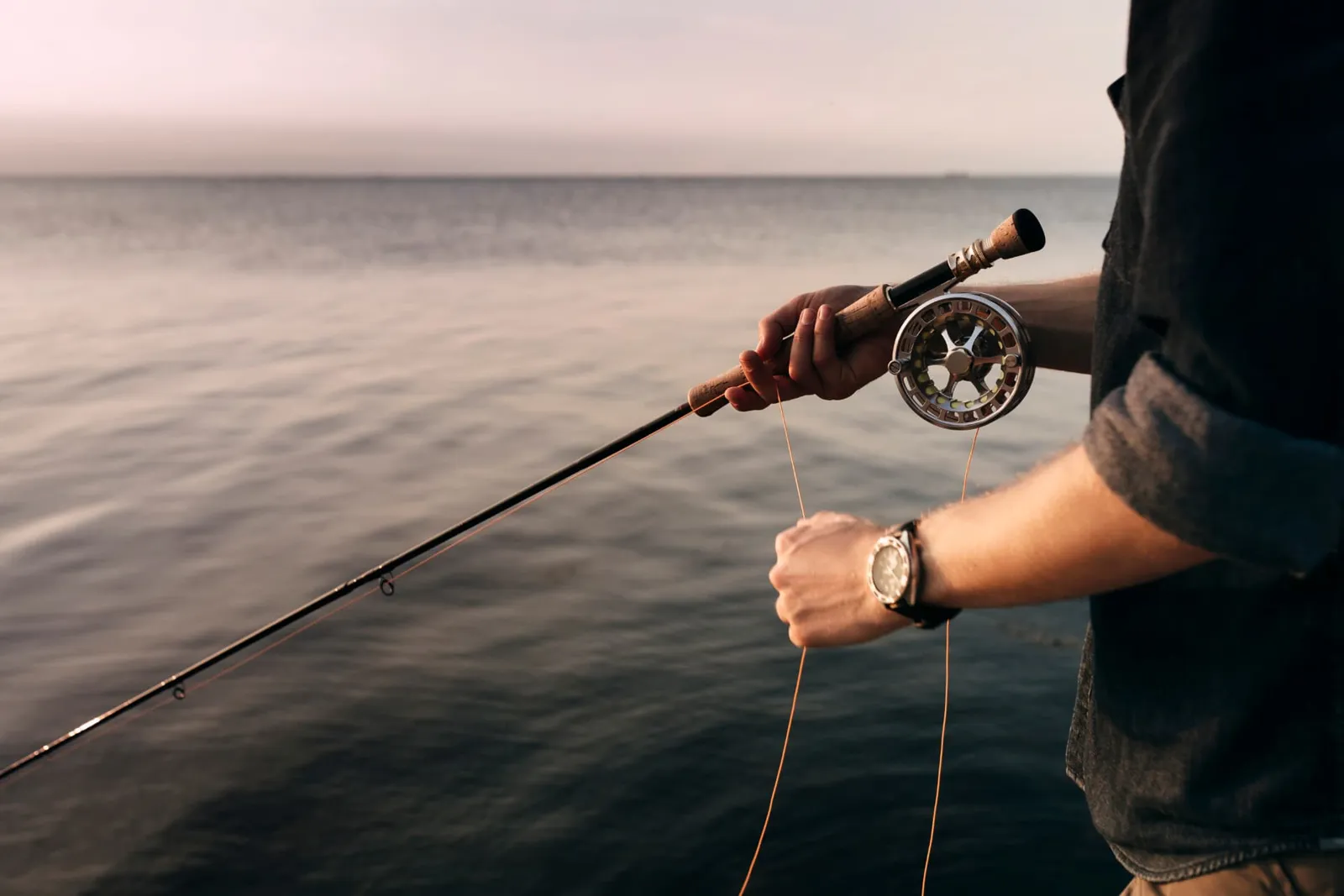
Brook trout are small to medium fish, usually found in tight, brushy water, so the best setup is light, short, and sensitive. A heavy bass rod will feel like a broom handle, cast tiny lures poorly, and make even a good fish feel like nothing. A well-chosen ultralight setup does the opposite: it makes a ten-inch fish feel lively and lets you present small lures gently.
This guide explains the specs that matter, how to pick a reel and line, and how setups differ between streams, ponds, and lakes.
Some links on this page are affiliate links. If you buy through them, we may earn a commission at no extra cost to you. See our affiliate disclosure.
The Short Answer
- Best first setup for most beginners: a 5' to 6'6" ultralight or light, fast or moderate-fast spinning rod, a 1000 to 2000 size spinning reel, and 2 to 6 lb monofilament or fluorocarbon line.
- For tight streams: go toward the short end, around 5' to 5'6".
- For ponds and lakes: go toward the longer end, around 6' to 6'6", for extra casting distance.
Rod Specs Explained
Length
- 5' to 5'6": Excellent for brushy streams where you cast under branches and make short, accurate flips. It is easy to carry through the woods.
- 6' to 6'6": A good all-around length. It casts light lures farther and gives better line control, which suits ponds, beaver ponds, and bigger streams.
Power
- Ultralight: Very sensitive and designed for tiny lures. It is the classic choice for small streams.
- Light: A bit more backbone, good for slightly heavier lures, wind, and larger fish.
Heavier power than this usually costs you feel and casting ability with the lures brook trout prefer.
Action
- Fast or moderate-fast: Gives a sensitive tip for feeling bites and casting small lures, with enough give to protect light line.
- Moderate: Forgiving, which can help prevent pulling hooks from a small fish's mouth, though it can feel less precise.
Material
A graphite or graphite-composite rod is light and sensitive, which matters when fishing all day with tiny lures. Many beginners are well served by a matched combo.
Choosing a Reel
A 1000 to 2000 size spinning reel balances properly on an ultralight rod and holds plenty of light line.
Look for:
- A smooth drag. Light line breaks when drag is jerky, so smoothness matters more than power.
- Light weight. A heavy reel on a light rod feels tip-heavy and reduces sensitivity.
- A good bail and line roller, which protects thin line from twists.
- Easy drag adjustment, since you will fine-tune it often.
Brook trout rarely make long runs, so you do not need a large line capacity.
Choosing Line
Line choice is a big deal with brook trout, because thin line improves casting and lets lures move naturally.
Monofilament (2-6 lb)
Forgiving, stretchy, and easy to handle. The stretch helps protect hooks in soft mouths and cushions sudden runs. It is a solid choice for most beginners.
Fluorocarbon (2-6 lb)
Nearly invisible underwater and slightly more abrasion resistant. It is a good choice for clear, low water where fish are cautious, and often used as a leader.
Braided line
Braid is possible, but it is thin enough that it can cut into fingers and tangle on light rods. Brook trout are often wary, so if you use braid, add a fluorocarbon leader. Most beginners do better with mono or fluorocarbon.
Which weight?
Use 2 to 4 lb for small, clear streams and tiny lures. Use 4 to 6 lb for ponds, lakes, brush, and larger fish. Line should be as light as the conditions allow without constant break-offs. Replace line when it gets coiled, frayed, or nicked.
Setups for Common Situations
| Situation | Rod | Reel | Line |
|---|---|---|---|
| Tight, brushy stream | 5'-5'6" ultralight, fast, spinning | 1000 spinning | 2-4 lb mono or fluoro |
| Open stream or river | 5'6"-6'6" ultralight or light, fast, spinning | 1000-2000 spinning | 4-6 lb mono or fluoro |
| Beaver pond | 6'-6'6" light, fast to moderate, spinning | 1000-2000 spinning | 4-6 lb mono or fluoro |
| Small lake from shore | 6'-6'6" light, spinning | 2000 spinning | 4-6 lb mono |
| Small lake from a canoe or kayak | 5'6"-6'6" light, fast, spinning | 1000-2000 spinning | 4-6 lb mono or fluoro |
| Hiking to remote water | Telescoping or multi-piece ultralight | 1000 spinning | 2-4 lb mono or fluoro |
Packing In to Remote Water
Many of the best brook trout waters sit at the end of a trail. A telescoping or multi-piece travel rod packs short, rides in a backpack, and sets up quickly. Look for sturdy guides and a secure locking mechanism. A hard tube or soft sleeve protects the rod from snagging on brush and from being crushed in a pack.
Shore vs Boat
From the bank or wading:
- Shorter rods (5' to 6') are easier to handle near brush and trees.
- Keep the setup light so you can cast hundreds of times without fatigue.
- Use polarized sunglasses to spot fish, structure, and the bottom before you cast.
- A rubber-mesh net clipped to your belt is easier than a rigid one in brushy water.
From a boat, canoe, or kayak:
- Rods around 6' to 6'6" give better casting distance and line control over open water.
- Keep rod tips clear of the paddle and water, and secure your gear. Spare rods are easy to lose in a tipped boat.
- Wear a life jacket. Cold water is hard on anyone who ends up in it.
What to Look For When You Buy
- Sensitivity. A light rod transmits taps and subtle strikes more clearly.
- Balance. The rod and reel should balance comfortably, with the reel not dragging the tip down.
- Drag quality. Smooth drag protects thin line.
- Guides and finish. Sturdy guides that do not nick line are worth checking.
- Combo vs separate. A matched combo is convenient for a first setup. Buying separately lets you fine-tune.
Setup and Fighting Fish
- Set the drag light. It should give line before the line breaks, but not so loose that the fish can run into cover.
- Keep the rod tip up and let the bend absorb headshakes.
- Do not horse the fish. A gentle, steady fight protects both the line and the fish.
- Land it quickly. Long fights exhaust brook trout, particularly in warm water or during the fall spawn.
- Release gently. Keep the fish in the water, handle it with wet hands or a rubber net, and revive it if needed.
Care and Maintenance
- Rinse gear after use, particularly after fishing in muddy or tannin-stained water.
- Replace mono and fluorocarbon when it is worn, coiled, or nicked.
- Check the first few feet of line regularly for abrasion, since logs and rocks fray it.
- Store rods in a case or upright, away from doors and car trunks.
- Clean and dry boots, waders, and gear between waters to help prevent the spread of invasive species.
Regulations and Respect
Rules for brook trout vary by region and by water. Seasons, gear restrictions, hook types, and special regulations are common, and some waters are catch-and-release only. Check your local wildlife agency before each trip.
Quick Setup Checklist
- 5' to 6'6" ultralight or light spinning rod
- 1000-2000 size spinning reel with smooth drag
- 2-6 lb mono or fluorocarbon line
- Rubber-mesh net and polarized sunglasses
- A rod tube or case if hiking in
- A check of local regulations
FAQ
What size rod is best for brook trout? A 5' to 6'6" ultralight or light spinning rod.
What reel size should I use? A 1000 to 2000 size spinning reel.
What line should I use? 2 to 6 lb monofilament or fluorocarbon.
Can I use a bass or walleye rod? It is possible, but heavier rods make tiny lures harder to cast and make small fish less fun to fight.
Related: Brook Trout Fishing for Beginners and Best Baits and Lures for Brook Trout.