
Brook Trout Fishing for Beginners: Gear, Techniques, and Where to Catch Them
New to brook trout? Learn the light gear you need, easy techniques, and how to find these cold-water fish in small streams, beaver ponds, and lakes.
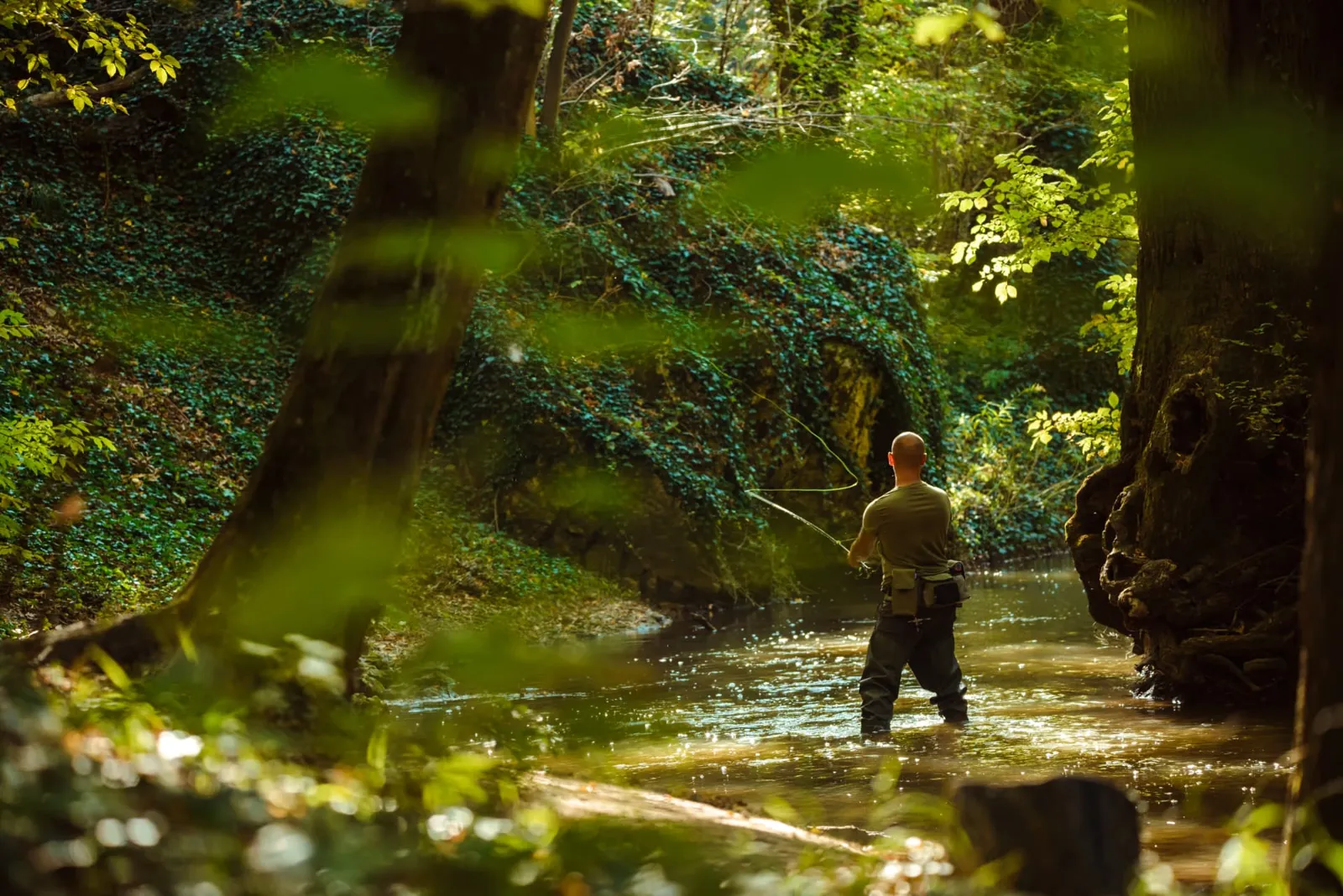
Brook trout are one of the most colorful freshwater fish in North America, with worm-like markings on the back, red spots ringed in blue, and white-edged orange fins. They are also a good fish for a beginner to learn on, because they often live in small, quiet water where a light rod and a handful of lures is all you need.
One quick note on naming: the brook trout is not a true trout. It is a char, a cousin of lake trout and Arctic char. Anglers call it a trout anyway, and the fishing works the same way. What matters is that it is a cold-water fish that needs clean, cool, well-oxygenated water, and that shapes everything about where you find it and how you handle it.
Some links on this page are affiliate links. If you buy through them, we may earn a commission at no extra cost to you. See our affiliate disclosure.
Know the Fish First
Brook trout are native to the northeastern United States, eastern Canada, and the Appalachian Mountains. Introduced populations exist in other regions, including parts of the West, but how common they are depends on where you live. Your state or provincial wildlife agency can tell you which waters hold them.
A few facts are more useful than any lure:
- Cold, clean water is non-negotiable. Brook trout generally live in small headwater streams, spring-fed creeks, beaver ponds, and deep, cold lakes. If a stream runs warm and muddy, look elsewhere.
- They are wary in small water. In a shallow creek, a fish can see you and your shadow from a long way off. Stealth catches more fish than gear does.
- They hold near cover and current breaks. Think undercut banks, logs, boulders, and the deep side of a bend.
- They are sensitive. Warm water, silt, and habitat damage hurt them quickly, so careful handling and light footsteps are part of the sport.
The Beginner Gear List
The good news is that brook trout gear is small, light, and cheap compared with most other species. The bad news is that heavy gear will cost you fish. Keep everything scaled down.
Rod, reel, and line
A short ultralight or light spinning rod, roughly 5' to 6'6", paired with a 1000 to 2000 size spinning reel, is the standard setup. The short rod lets you cast under branches and in tight stream corridors. See our full guide to the best rod and reel for brook trout for the details.
Spool the reel with 2 to 6 lb monofilament or fluorocarbon. Thin line casts light lures farther and is harder for wary fish to see. If you fish small, clear streams, lean toward the lighter end of that range.
Lures and bait
Three lure types cover most beginner situations:
- Small inline spinners. The blade flashes and vibrates, and the lure is hard to fish wrong.
- Small spoons. They flutter and flash, and they cast well even on light line.
- Small soft plastics. Tiny grubs, worms, and minnow shapes on light jig heads work well in pools and ponds.
Where bait is allowed, a plain worm on a small hook with a little split shot is one of the oldest brook trout methods. Check your local rules first, since some brook trout waters are artificial-lure-only or have other restrictions.
For more on matching lures to conditions, read best baits and lures for brook trout. Flies are another option if you want to try them later. A small fly rod and a few simple patterns catch brook trout well, but you do not need one to get started.
Small items that matter
- A small tackle box or pouch so you can carry only what you need
- Waders or wading boots for streams, so you can get into position without crowding the bank
- Polarized sunglasses to cut glare and help you see fish, logs, and the bottom
- A rubber-mesh net for gentle landing and release
- Needle-nose pliers to remove small hooks quickly
Where to Find Brook Trout
Small streams
Walk slowly and read the water before you cast. Likely spots include:
- Pools below small drops, where fish rest in deeper, cooler water
- Runs along the seam between fast and slow current
- Undercut banks, where overhanging dirt gives fish shade and safety
- Logs and boulders, which create slack water behind them
Beaver ponds and small lakes
Beaver ponds can hold surprisingly good fish. Look for the cold inflow, the deeper channel through the middle, and the edges of submerged wood. In small lakes and ponds, brook trout often cruise the shallows in cooler seasons and move deeper when the surface warms.
Fishing From the Bank or Wading
Most small-water brook trout fishing is done on foot, and stealth is the whole game.
- Approach from downstream. Trout face into the current, so walking upstream puts you behind them.
- Stay low and keep your shadow off the water. Kneel or crouch at the edge of a pool if you can.
- Make short, accurate casts. You rarely need distance. Aim a cast just upstream of the likely holding spot and let the lure come through.
- Fish the best water first. Do not wade through a pool before you have cast to it.
Wading carries real risk. Stream rocks are slick, cold water saps strength, and a sudden rise after rain can turn a creek dangerous. Test each step, face upstream when crossing, and consider a wading staff. Skip any stream that is high or fast.
Fishing From a Boat, Canoe, or Kayak
On small lakes and ponds, a canoe or kayak lets you reach water you cannot cast to from shore.
- Paddle quietly. Noise carries across still water.
- Cast toward the shoreline structure such as logs, weed edges, and rocky points, and work back toward deeper water.
- Wear a life jacket. Cold water and tippy boats are a serious combination, particularly in spring and fall.
- Stay a cast away from fish you can see. Drifting over them spooks them.
How to Hook, Land, and Release
- Let the lure swing or sink for a moment before reeling, so the fish has time to find it.
- Reel steadily and keep the rod tip up. Brook trout bites are often quick and sharp.
- Set the hook with a gentle lift. Light line breaks if you yank hard.
- Use the drag. Brook trout are not huge, but they make short runs in small water.
- Wet your hands before touching the fish. Dry hands strip the protective slime.
- Keep the fish in the water as much as possible. A rubber net helps.
- Release quickly. Support the fish until it swims away on its own.
Safety and Respect
Brook trout habitat is fragile, so how you behave matters. Stay on trails and avoid trampling streambanks. Pack out all line and trash. Clean your waders and boots between waters to avoid spreading invasive species. Regulations vary a lot by region and even by stream, including seasons, size and bag limits, gear rules, and special-regulation waters, so check with your state or provincial wildlife agency before every trip. Many anglers choose to release their brook trout, and in some waters it is required.
Your Quick Starter Checklist
- 5' to 6'6" ultralight or light spinning combo
- 2-6 lb line
- A few small spinners and spoons
- Small hooks and split shot (where bait is allowed)
- Polarized sunglasses
- Waders or wading boots, if fishing streams
- Rubber-mesh net and needle-nose pliers
- A valid fishing license and a check of local rules
FAQ
Are brook trout really trout? Technically they are char, but anglers treat them as trout and the fishing is similar.
What is the best time of day? Early morning and evening are often best, especially in warm weather. In cool seasons, midday can work.
Do I need waders? Not always. Many small streams can be fished from the bank or by wading in boots, depending on the water. Check conditions first.
Can I keep brook trout? That depends on local rules. Check with your wildlife agency, and consider releasing fish in sensitive waters.
Next up: Fall Brook Trout Fishing, where to find them as the water cools and what to throw.