
Fall Brook Trout Fishing: Where to Find Them and What to Throw
Fall brook trout wear spawning colors and bite hard. Learn where to find them, what to throw, and how to protect spawning fish and gravel nests.
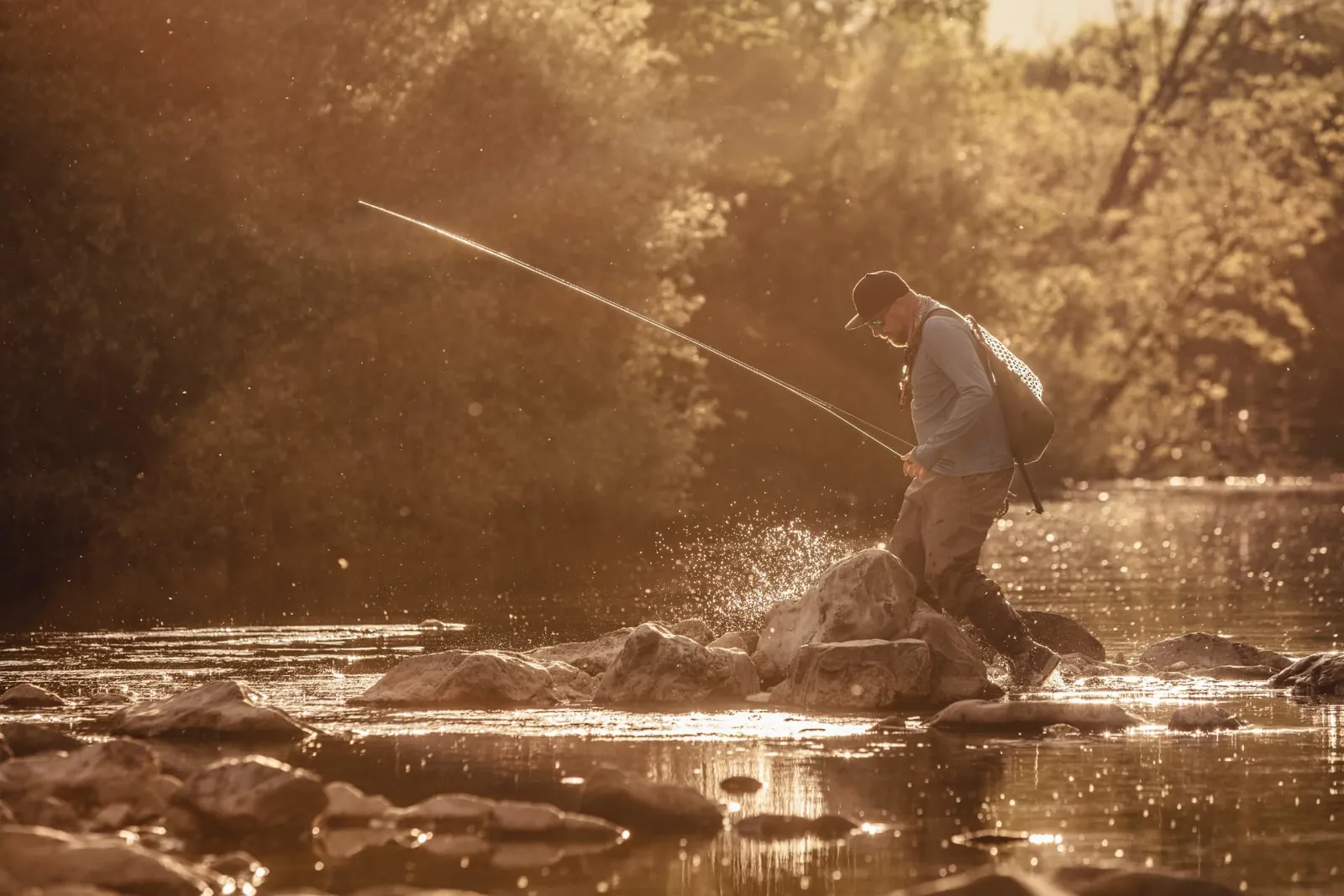
Autumn is when brook trout look their best. As the water cools, males turn deep orange and red along the belly, fins pick up bright white and black edges, and the whole fish seems lit from within. It is also a season when brook trout can be bold and aggressive, which makes it a good time for beginners to catch one.
It is also the season when the fish are most vulnerable. Brook trout spawn in the fall, and that changes how a responsible angler should fish. This guide covers where fish go, what to throw, and how to protect them.
Some links on this page are affiliate links. If you buy through them, we may earn a commission at no extra cost to you. See our affiliate disclosure.
What Changes in the Fall
- Water cools. Summer heat stress eases, and fish that sulked in deep pools or near springs spread out again.
- Spawning drives behavior. Fish move toward gravel areas, often in the upper parts of streams or in spots with spring seepage. Timing varies with latitude and elevation, so it can start earlier in the far north and at high elevations than farther south. Check local information rather than relying on dates.
- Fish get territorial and aggressive. Males in particular will strike lures that look like intruders or a quick meal.
- Colors brighten. A fall brook trout can be a striking fish, and it is easy to forget it is under pressure.
- Leaves and weather change the water. Fallen leaves clog riffles and tint pools. A heavy rain can muddy a stream for a day or two.
Protect the Spawn
This is the most important section of this guide. Brook trout lay eggs in shallow gravel nests called redds. The eggs sit buried in the gravel through winter, and they are easy to destroy by walking on them.
- Do not wade through spawning gravel. Look for clean, light-colored patches of gravel, often at the tail of a pool, where a nest has been cleared. Step around them.
- Do not target fish that are actively spawning. If you see a pair holding over a nest, leave them alone.
- Release fish quickly. Fish that are spawning have spent energy and are stressed. Keep them in the water and put them back right away.
- Check for fall closures. Many waters have seasonal closures or special rules to protect spawning brook trout, including catch-and-release only or artificial-lure-only rules. These vary widely, so check your state or provincial wildlife agency before every trip.
Treat any fish that looks ripe or is paired up as off-limits for fishing, whatever the law allows.
Where to Find Brook Trout in the Fall
Pools and runs
Pools still hold fish, especially deeper ones with cover. In fall they may hold more fish than in summer because trout gather before the spawn.
Pool tails and gravel areas
These are where fish spawn. They are good places to look but not to wade. Fish the water just below and around them from a respectful distance, and avoid casting directly onto nests.
Undercut banks, logs, and boulders
Fall fish still use shelter, especially when the water is low and clear.
Beaver ponds and inlets
Fish in ponds often move toward inlet streams as spawning approaches. The cold inflow can concentrate them.
Lake edges and tributaries
In cold lakes, brook trout often move into the shallows or toward feeder streams in autumn. Where this is allowed, it can offer some of the easiest fishing of the year, but it is also where regulations tend to be strictest.
Fall From the Bank or Wading
- Approach from downstream, stay low, and keep your shadow off the water. Fall water is often lower and clearer than spring water, which makes fish easier to spook.
- Cast short and accurate. A flick of the wrist to the head of a pool is often enough.
- Wade carefully. Fall mornings bring frost, wet leaves, and cold water. Slow steps and a wading staff help.
- Dress in layers. A rain jacket, warm gloves, and a hat make a big difference. Fingers go numb quickly when you are handling light line and small lures.
- Watch your boot placement to avoid redds. Slow down and look first.
Fall From a Boat, Canoe, or Kayak
On small lakes and ponds, a paddle craft gives access to water you cannot reach from shore.
- Fish near inlets and cold seeps, but stay out of shallow gravel areas where fish may be spawning.
- Paddle quietly, and anchor or drift a cast away from the shoreline.
- Check conditions. Fall winds and cold water raise the stakes. Wear a life jacket and tell someone your plan.
- Mind the cold. Water temperatures drop fast, and a capsize can become an emergency in minutes.
- Look for rising fish and baitfish activity near the edges.
What to Throw
Small inline spinners
A spinner is hard to beat in fall, since aggressive fish smack the flash and vibration. Cast across or slightly upstream and retrieve at a steady speed that keeps the blade turning.
Small spoons
Spoons flutter and flash, and they cast well in wind. Retrieve slowly, with the occasional pause.
Small soft plastics
Tiny grubs and minnow shapes on light jig heads work well in deeper pools and ponds. Let them sink, then retrieve slowly. Many anglers prefer a single hook to treble hooks to reduce injury to released fish.
Streamer flies
If you want to try the fly rod, a small streamer that suggests a baitfish or a brightly colored attractor can draw strikes from territorial fish. This is optional, and the spinning gear above is enough.
For a full lure breakdown, see best baits and lures for brook trout.
Gear for Fall Brook Trout
- Rod: A 5' to 6'6" ultralight or light spinning rod. Short rods help in brushy streams.
- Reel: A 1000 to 2000 size spinning reel.
- Line: 2 to 6 lb monofilament or fluorocarbon. Fall water can be low and clear, so lighter line often helps.
- Handling tools: A rubber-mesh net, needle-nose pliers, and polarized sunglasses to spot fish and redds.
More detail here: best rod and reel for brook trout.
Fall Tips That Help
- Fish the warmer part of the day. In cold weather, late morning to afternoon can be better than dawn.
- Slow your retrieve in cold water. Fish may follow but not commit.
- Use barbless or crushed-barb hooks where possible. They come out faster and cause less damage.
- Do not fish the same pool repeatedly. Stress adds up.
- Land fish quickly. A long fight on light line exhausts them.
- Note what the leaves are doing. Heavy leaf fall can snag lures, so check your hooks often.
Safety and Respect
Fall means cold water, early dark, and slippery banks. Dress for the water temperature, not the air, carry a headlamp in case you stay late, and let someone know where you are going. Avoid wading in high or fast water. Keep fish wet, handle them with wet hands or a rubber net, and keep air time to a few seconds. Many waters have fall closures, catch-and-release rules, or gear restrictions, so confirm the rules for your specific water with your local wildlife agency before you go. Catch-and-release is widely valued among brook trout anglers, and fall is the season when it matters most.
Quick Fall Checklist
- Light spinning rod, 1000-2000 reel, 2-6 lb line
- Small spinners, spoons, and soft plastics
- Rubber-mesh net and needle-nose pliers
- Waders, rain jacket, and cold-weather gloves
- Polarized sunglasses to spot nests
- A check of local fall closures and special regulations
- A plan to avoid spawning gravel
FAQ
Is fall a good time for brook trout? Yes. Fish are active and colorful, but they are also spawning, so fish with care.
When do brook trout spawn? It varies by region and elevation, usually in autumn. Check local information.
Can I fish for spawning brook trout? Rules vary, and some waters close. Even where it is legal, avoid fish on nests and never walk on spawning gravel.
What is the best lure for fall brook trout? A small spinner is among the most reliable, followed by a small spoon.
Back to basics: Brook Trout Fishing for Beginners.