
Fall Yellow Perch Fishing: Where to Find Them and What to Throw
Fall can bring big schools of yellow perch. Learn where they move as water cools, the best baits and gear, and how to catch them from shore or a boat.
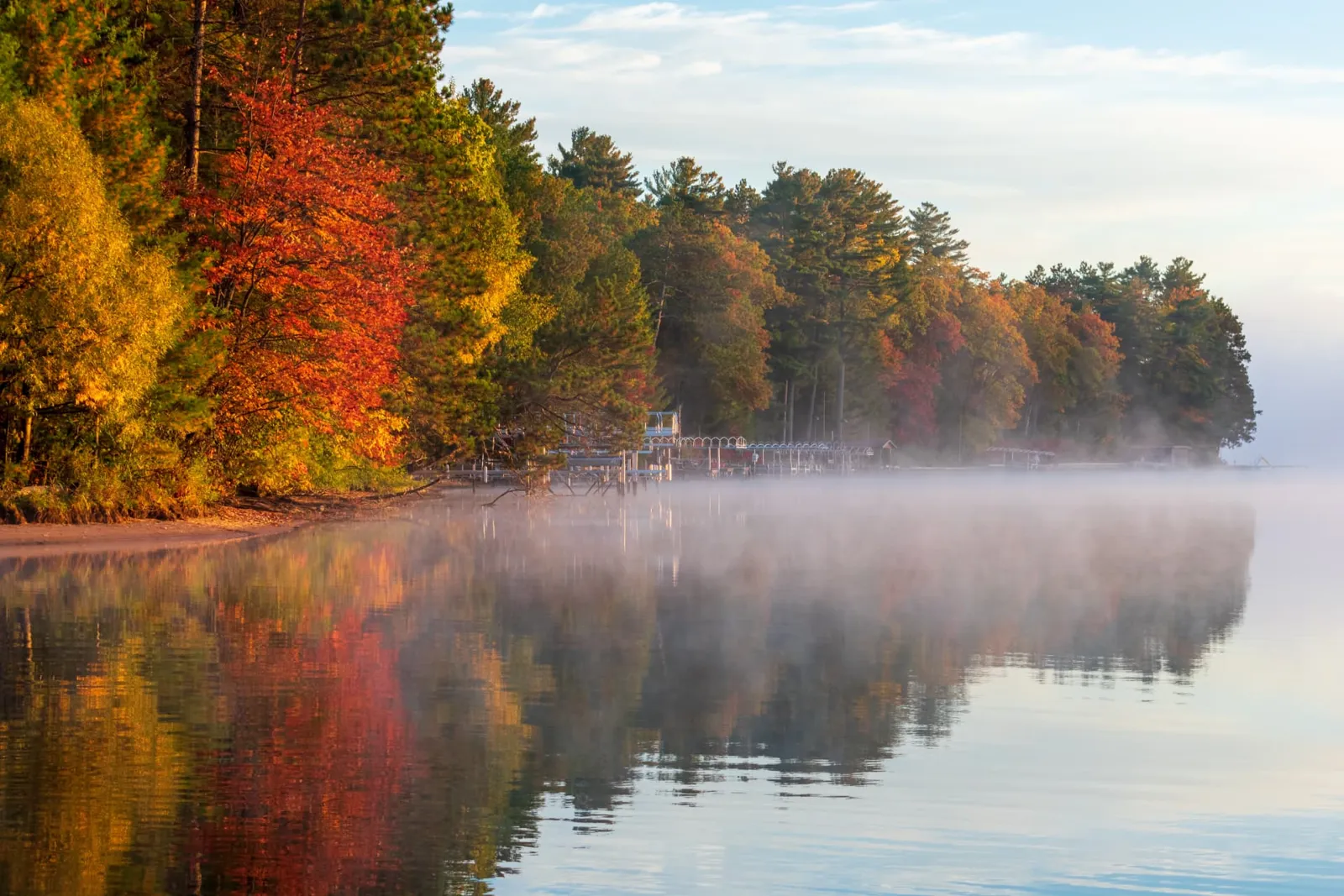
Fall can be a standout season for yellow perch. As the water cools, the places perch hold and the baitfish they follow both shift, and schools can bunch up into large groups. When you find one, the action can be steady enough to fill an afternoon.
The challenge is the finding. This guide explains what changes in the fall, where to look, and what to bring.
Some links on this page are affiliate links. If you buy through them, we may earn a commission at no extra cost to you. See our affiliate disclosure.
What Changes in the Fall
- Water cools and schools relocate. Perch that sat on shallow weed beds in summer often drift toward deeper edges, basin margins, and other areas as temperatures drop. The timing varies by lake and by year.
- Baitfish move, and perch follow. Perch are opportunistic feeders on small prey, so wherever the forage goes, hungry perch tend to be close.
- Schools can be large. Fall is often when anglers talk about big groups, though how big depends on the water.
- Weed cover fades. As weeds die back, edges that were reliable in summer may stop holding fish, which is one reason fall scouting matters.
- Daylight windows shift. Cooler weather can keep perch biting through more of the day, but conditions change quickly, so stay flexible.
Stable weather often means a steadier bite. A sudden cold snap or a strong storm can scatter schools for a day or two.
Where to Find Perch in the Fall
Basin edges and drop-offs
Where a flat slopes into deeper water is a prime fall zone. Schools often sit on or just below the break.
Remaining green weed edges
Where weeds are still alive, they can hold baitfish and perch. Dead, matted weeds are usually less productive.
Docks, piers, and breakwalls
Structure that extends into deeper water gives shore anglers a way to reach fall fish. Check the ends and the corners.
Points and channel edges
Land that juts into a lake, or channels that run through a flat, can funnel baitfish and attract perch.
Slow river bends and backwaters
In slower rivers, look for calmer water out of the main flow, such as deeper pools and eddies. Be cautious around fast current and dams, where water levels and flows can change.
Fall From Shore
Fall shore fishing is rewarding if you treat it as a search.
- Start at structure you can reach. Piers, docks, and breakwalls that touch deeper water are your best bet.
- Fan your casts. Cast a short way out, then a bit farther, then to either side. The school can be a short cast away or a long one.
- Count down your jig. Let it sink for a set number of seconds on each cast. When you get a bite, repeat the count.
- Cover water before settling in. Walk the shoreline, make several casts at each spot, and stay where you get bites.
- Dress for it. Cold hands make small tackle frustrating. Gloves, layers, and a rain jacket keep you out there longer.
- Respect closures and access rules. Some areas have seasonal restrictions or private property.
Fall From a Boat
A boat is a real advantage in fall, since the schools can be anywhere along an edge.
- Use electronics when you can. A fish finder helps you see bottom changes, baitfish, and arches or clouds that suggest perch.
- Drift the edges. Let wind or a trolling motor move you slowly along a basin edge or weed line while you fish near the bottom.
- Drop a marker or note the spot. When you catch the first perch, mark it. Then go vertical and jig straight down.
- Move when it stops. If bites slow, make a short loop and see if the school has shifted.
- Wear a life jacket. Cold water is unforgiving, and a fall boat day deserves extra care.
The Best Fall Perch Baits
Small jigs
A simple small jig, fished on the bottom with lift-and-drop, is a staple. It is easy for beginners and works from both shore and boat.
Tiny soft plastics
Small minnow-shaped or grub-style plastics on a light jig head imitate the small prey perch eat. Natural colors work in clear water, and brighter tones can help in stained water.
Small spoons
A small spoon flutters as it falls, which can draw bites from perch holding near the bottom, especially when you work it vertically over a school.
Drop shot
A drop shot holds a small bait just off the bottom and keeps it in front of a perch's face. It is excellent once you have located fish.
Small inline spinners
A small inline spinner is a good search lure. It covers water, flashes, and often draws a reaction from active perch.
For a full breakdown, see best baits and lures for yellow perch.
Gear for Fall Perch
- Rod: A light or ultralight spinning rod, about 5'6" to 6'6", with enough sensitivity to feel taps.
- Reel: A 2000-size spinning reel with a smooth drag.
- Line: 4-6 lb. Fluorocarbon is a good pick in clear fall water, when fish can be more line-shy.
- Handling tools: A rubber-mesh net and pliers for removing hooks from small mouths.
More detail here: best rod and reel for yellow perch.
Fall Tips That Help
- Keep moving until you find the school. Perch are not spread evenly. A hundred yards can be the difference.
- Slow down. Cooler water often means a slower presentation.
- Stay near the bottom. Fall perch usually relate to the bottom.
- Sharpen your hooks. Light bites need sharp points.
- Return to what worked. Note the spots where you found fish. Schools often favor similar areas year to year, though it is not guaranteed.
Safety and Respect
Fall brings cold water, wet docks, and shorter days. Wear a life jacket on a boat, watch your footing on slick piers and rocks, and tell someone where you are going. Handle perch carefully, since the spiny dorsal fin can prick: grip the fish firmly behind the head with the fin folded down, or use a net and pliers. Fishing licenses, seasons, size limits, and bag limits vary by state and province, so check your local wildlife agency before you go. Big fall schools make it tempting to keep many fish, so follow the rules and keep only what you will use.
Quick Fall Checklist
- Light or ultralight spinning rod, 2000-size reel
- 4-6 lb line, with fluorocarbon for clear water
- Small jigs, tiny soft plastics, a small spoon
- A drop shot kit and a small inline spinner
- Gloves, a rain jacket, and warm layers
- Net and pliers
- Fish finder if fishing from a boat
- A valid fishing license
FAQ
Is fall a good time for yellow perch? Many anglers consider it one of the better seasons, and big schools are common, though results vary by lake.
Can I catch fall perch from shore? Yes. Docks, piers, and breakwalls that reach deeper water are good places to start.
What's the best lure for fall perch? Small jigs, small spoons, and tiny soft plastics are reliable choices.
How do I find the school? Move along edges, fan your casts, and use a fish finder if you have one.
Back to basics: Yellow Perch Fishing for Beginners.