
Best Rod and Reel for Yellow Perch: How to Choose the Right Setup
Choosing a perch rod and reel? Learn the right length, power, reel size, and line for yellow perch, with notes for fishing from shore or a boat.
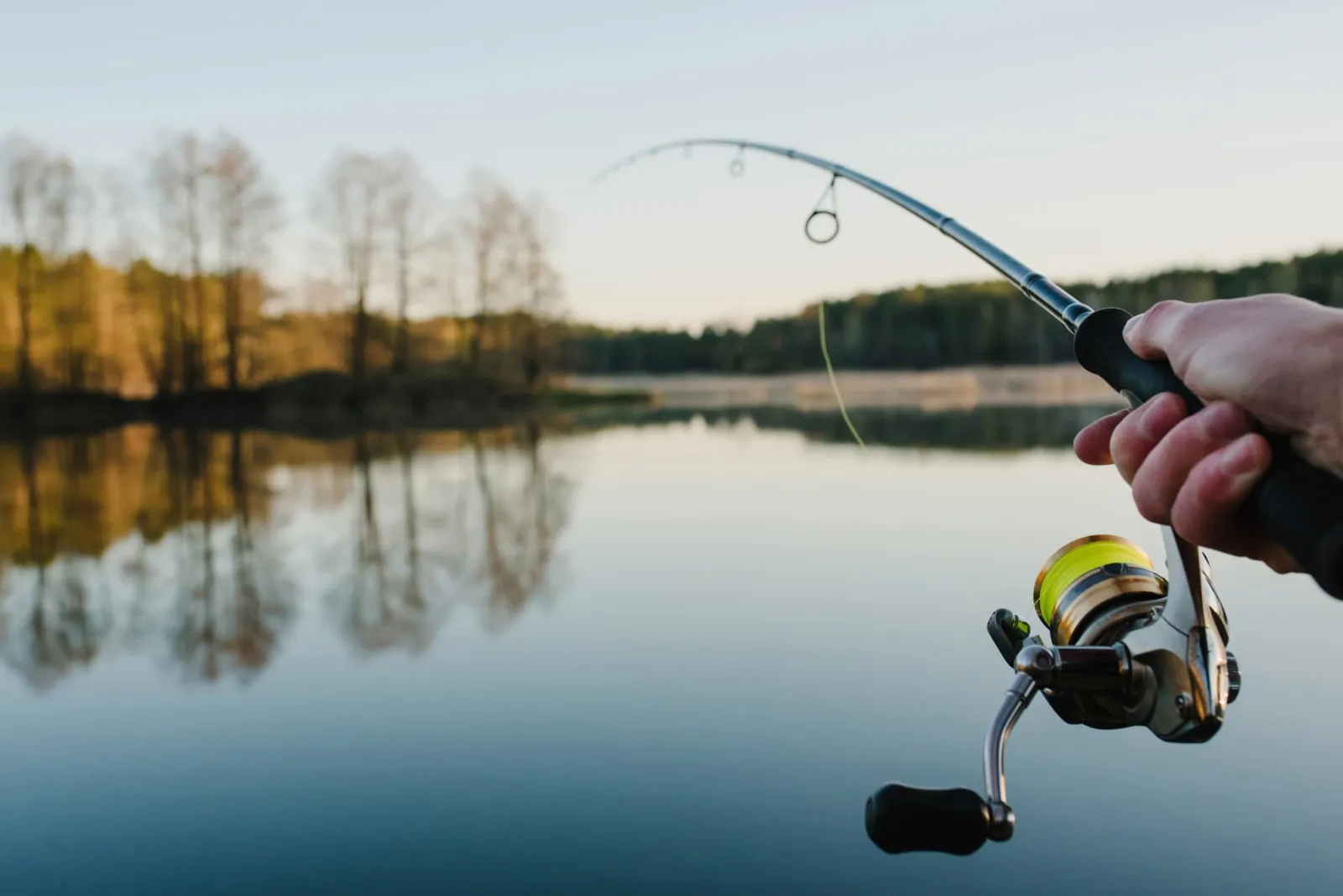
Yellow perch are small, bite lightly, and tend to eat tiny baits. That makes this one of the easiest species to gear up for, and one of the places where lighter really is better. A rod that feels delicate in the store will feel just right when a perch taps your jig.
This guide explains the specs, what each setup suits, and how to choose line.
Some links on this page are affiliate links. If you buy through them, we may earn a commission at no extra cost to you. See our affiliate disclosure.
The Short Answer
- Best first setup for most beginners: a 5'6" to 6'6" light or ultralight spinning rod paired with a 2000-size spinning reel, spooled with 4-6 lb monofilament or fluorocarbon.
- For long casts or very light baits: a slightly longer rod and a thin line can help, but you do not need anything fancy to start.
Rod Specs Explained
Length
- 5'6" to 6'6": the standard range. Shorter rods are easy to use in tight spots, on docks, and for kids. Longer rods cast farther and help control line, which is useful from shore or when fishing with a bobber.
Power
- Ultralight: very sensitive, great for tiny jigs and light line. Perch feel like real fighters on it.
- Light: a bit more backbone. It handles slightly heavier jigs, spoons, and bigger perch, and it is more forgiving if you hook something larger by accident.
Action
- Fast: bends mostly near the tip. This gives sensitivity for light bites and quick hooksets.
- Moderate: bends deeper into the rod and can be forgiving, helping small hooks stay in thin mouths.
Material
Graphite rods are light and sensitive. A graphite or graphite-composite rod is a good first choice, and many beginner combos use these materials.
Choosing a Reel
Spinning reel size
A 2000-size spinning reel is the usual match. It is light, balanced on an ultralight rod, and holds plenty of thin line.
Look for:
- A smooth drag. Light line and small hooks need gentle, even pressure.
- Light weight. You will cast and retrieve often, so comfort matters.
- A well-built bail and line roller, which protects thin line from twisting and wear.
Choosing Line
Monofilament (4-6 lb)
Forgiving, affordable, and easy to knot. The stretch helps with light hooksets and absorbs a fish's sudden runs. It is a solid beginner choice.
Fluorocarbon (4-6 lb)
Harder to see underwater and a bit more sensitive. It is a good pick in clear water, or when perch are cautious in fall.
Braided line with a leader
Thin braid, with a short fluorocarbon or mono leader, is very sensitive and lets you use ultra-thin diameters. It takes a bit more care with knots and with how you set the hook, so many beginners start with mono or fluorocarbon first.
Setups for Common Situations
| Situation | Rod | Reel | Line |
|---|---|---|---|
| General beginner | 5'6"-6'6" light or ultralight, fast, spinning | 2000 spinning | 4-6 lb mono or fluorocarbon |
| Jigging and drop shot | 5'6"-6'6" ultralight, fast, spinning | 2000 spinning | 4-6 lb fluorocarbon or braid with leader |
| Bobber fishing | 6'-6'6" light, moderate to fast, spinning | 2000 spinning | 4-6 lb mono |
| Small spoons and spinners | 6'-6'6" light, fast, spinning | 2000 spinning | 4-6 lb mono or fluorocarbon |
| Kids' first rod | 5'6"-6' light, spinning | 2000 spinning | 4-6 lb mono |
A slip bobber setup is easiest on a slightly longer rod, since a few extra inches helps you manage the line between rod tip and float.
Shore vs Boat
From shore:
- A slightly longer rod (about 6' to 6'6") helps with casting distance and keeping line above weeds and dock edges.
- Pick a lightweight combo, since you will cast many times as you search for the school.
- One versatile light rod can handle jigs, spoons, spinners, and a bobber rig.
From a boat:
- Shorter rods (5'6" to 6') offer good control for vertical jigging and tight spaces.
- Carry two rods rigged differently, such as one for jigging and one for a bobber or drop shot.
- Keep a net handy so you can lift fish without a lot of handling.
What to Look For When You Buy
- Sensitivity. Perch bites are subtle. A lighter, tip-sensitive rod makes them easier to feel.
- Balance. The rod and reel should feel comfortable and not tip-heavy in your hand.
- Drag quality. A smooth drag protects light line.
- Durability. Kids and beginners can be hard on gear, so look for solid construction.
- Combo vs separate. A matched combo is convenient for beginners. Buying separately lets you fine-tune the feel.
Handling and Safety With Light Gear
- Do not horse fish. Light line and small hooks require steady pressure rather than a hard yank.
- Mind the spines. The dorsal fin of a perch is sharp. Handle fish from the side, with the fin pressed flat, or use a net.
- Protect your rod. Ultralight tips can snap if slammed in a door or a car trunk, so use a case or tube when transporting.
Care and Maintenance
- Rinse gear after use, especially after fishing in dirty water.
- Replace thin line often. It frays easily around weeds, docks, and rocks.
- Check the first few feet of line for nicks before each trip.
- Store rods upright or in a case, and lubricate reels per the manufacturer's directions.
Rules and Respect
Fishing licenses, seasons, size limits, and bag limits vary by state, province, and individual water body. Check your local wildlife agency before heading out. Using light gear does not change the rules, and handling fish gently helps those you release survive.
FAQ
What size rod is best for yellow perch? A 5'6" to 6'6" light or ultralight spinning rod is the usual choice.
What reel size should I use? A 2000-size spinning reel is a good match.
What line should I use for perch? 4-6 lb monofilament or fluorocarbon.
Can I use a bass rod for perch? You can in a pinch, but a lighter rod will make small bites much easier to feel.
Related: Yellow Perch Fishing for Beginners and Best Baits and Lures for Yellow Perch.