
Fall Walleye Fishing: Where to Find Them and What to Throw
Fall is a top season for walleye. Learn where walleye go as the water cools, the best fall baits and gear, and how to catch them from shore or a boat.
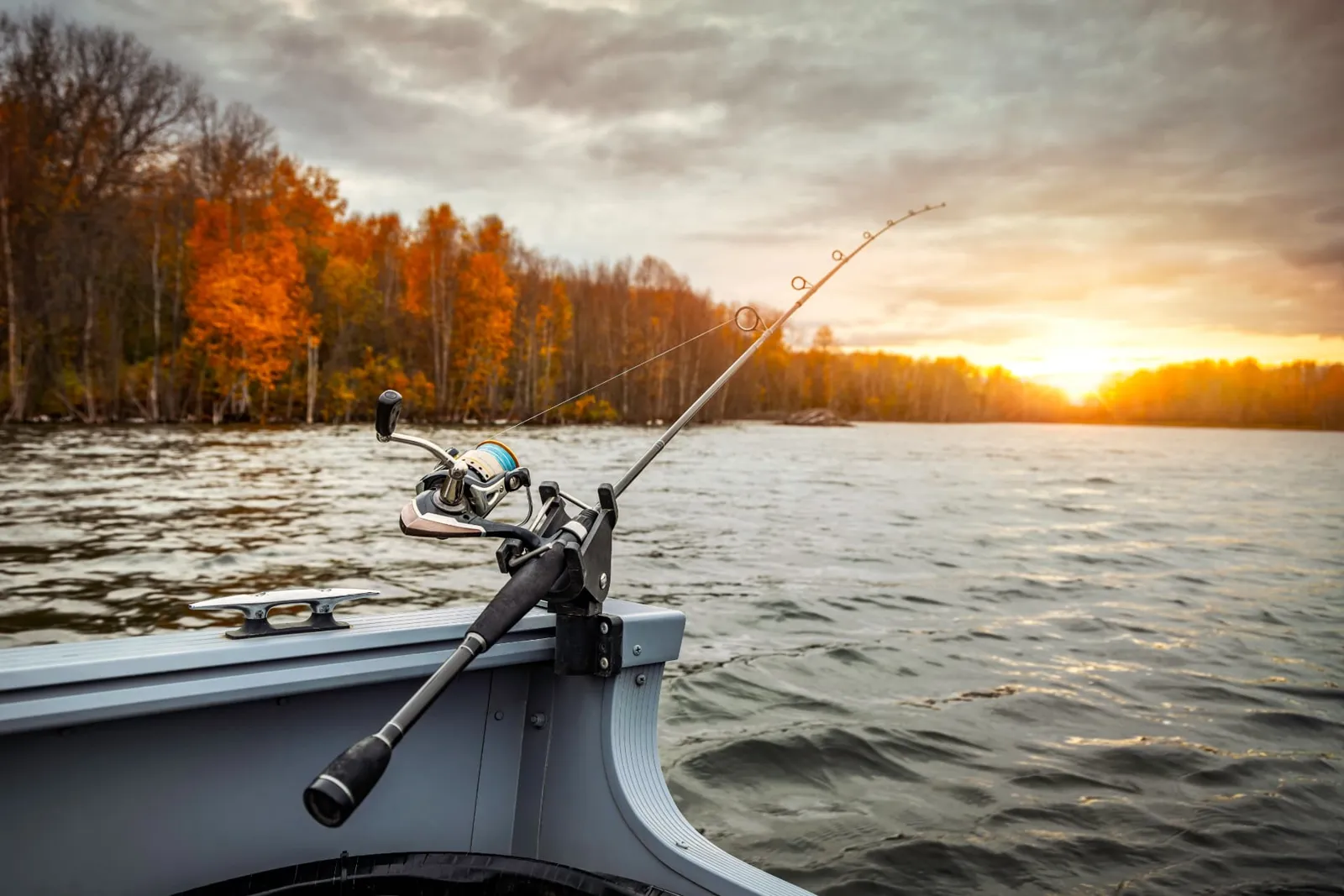
As the leaves change and the water cools, walleye feed heavily to build energy for winter. Fall is widely considered one of the best times of year to catch them, including big fish, and it's a season when shore anglers can do well because walleye move up shallow, especially at night.
This guide explains what walleye do in the fall, where to find them, and which gear and baits to bring.
Some links on this page are affiliate links. If you buy through them, we may earn a commission at no extra cost to you. See our affiliate disclosure.
What Changes in the Fall
- Water cools and baitfish move. Perch, shiners, and shad move to shallower areas, and walleye follow.
- Walleye feed more aggressively. They are building energy reserves and put on weight.
- Low light still matters. Dawn, dusk, and night remain the best periods, but cooler water can extend feeding into the day, especially on overcast days.
- Fish move to predictable spots. Rocky shorelines, points, and river current areas hold concentrations of walleye.
- Rivers change too. As water cools, river walleye often move toward deeper holes and wintering areas and also feed heavily on the way.
Stable weather tends to produce the most consistent bite. A sharp cold front can slow it for a day or two.
Where to Find Walleye in the Fall
Rocky shorelines and points
At night, walleye often cruise shallow rocky areas looking for baitfish. This is the key pattern for shore anglers.
Rock reefs and humps
Walleye often hold on and around these in lakes, moving up and down depending on light, wind, and bait.
Drop-offs and channel edges
These act as pathways between shallow feeding areas and deeper water.
River current seams and deep holes
Look for the edges of fast water, eddies behind rocks, and the deeper pools below. Dams and spillways can concentrate fish, but treat these areas with caution, since currents and water releases can change quickly.
Weed edges
Green weed edges still hold baitfish and walleye in early fall.
Fall From Shore
Fall is one of the best seasons to catch walleye from the bank.
- Fish at night. The hours after dark, and the hours before dawn, are often the best. Bring a headlamp with red light mode and tell someone where you're going.
- Cast crankbaits along rocky banks. Minnow-style crankbaits retrieved slowly with pauses are a classic fall tactic.
- Fish jigs and swimbaits. Cast a jig with a paddle-tail or minnow, let it sink, and slowly retrieve it along the bottom.
- Target harbors, jetties, and points with deeper water nearby.
- Dress warm. Fall nights get cold. Layers, a rain jacket, and gloves keep you fishing longer.
- Respect restrictions. Some areas close at night or have specific rules, so check before you go.
Fall From a Boat
- Use electronics to locate bait and fish, especially around humps, points, and drop-offs.
- Vertical jig over structure. A jig tipped with a minnow, held near the bottom, is deadly on fish you find with your sonar.
- Cast jigs and swimbaits to shallow structure at night.
- Troll crankbaits along drop-offs and points to cover water.
- Experiment with depth. Fish may be shallow at night and deeper by day. Adjust through the day.
- Pay attention to wind and current, which push baitfish and set up feeding.
The Best Fall Walleye Baits
Jig and minnow
A jig head with a fathead or shiner minnow is a fall standard. If live bait isn't allowed or available, a soft plastic minnow or paddle-tail works too.
Paddle-tail soft plastics and swimbaits
These imitate baitfish and can be fished with a steady retrieve along rocky bottoms.
Blade baits
A blade bait is a compact metal lure that vibrates when ripped off the bottom. It's excellent in cooler water and for fish holding deeper.
Minnow-style crankbaits
Shallow-diving minnow crankbaits are a go-to for casting along rocky shorelines at night. Slow, steady retrieves with pauses work best.
Deep-diving crankbaits
For trolling or casting to deeper structure, deep-diving crankbaits reach walleye holding on ledges and drop-offs.
For a full breakdown, see best baits and lures for walleye.
Gear for Fall Walleye
- Rod: A 6'6" to 7'6" medium or medium-light spinning rod with a fast action is a great all-rounder. A slightly heavier medium power helps with crankbaits and bigger swimbaits.
- Reel: A 2500 to 3000 size spinning reel.
- Line: 8-10 lb braid with a 6-10 lb fluorocarbon leader. Braid gives sensitivity, and the leader reduces visibility.
- Handling tools: A rubber-mesh net or lip grip, and pliers.
More detail here: best rod and reel for walleye.
Fall Tips That Help
- Fish the low-light windows. Dusk through the first hours of dark and the hour before sunrise are prime.
- Slow down. Cooler water means slower fish. Use slow retrieves and long pauses.
- Match the forage. Use perch patterns, shiner colors, and natural minnow colors in clear water, and brighter colors in stained water.
- Stay on the bottom with jigs. Walleye often relate close to the bottom.
- Keep a record. Note where and when you catch fish. Walleye often return to the same structure each fall.
Safety and Respect
Cold water and darkness raise the stakes. Wear a life jacket on a boat, use a headlamp, and take care on wet rocks and slippery docks. Be especially cautious near dams and fast current. Check local rules for fishing licenses, night fishing, seasons, and size and bag limits.
Quick Fall Checklist
- Medium or medium-light fast spinning rod, 2500-3000 reel
- Braid with a fluorocarbon leader
- Jig heads, paddle-tail plastics, and minnows (where allowed)
- Blade bait and minnow-style crankbait
- Headlamp with red light, warm layers, and gloves
- Net or lip grip and pliers
- A plan for safe night fishing
FAQ
Is fall a good time for walleye? Yes. Walleye feed heavily in fall, and many big fish are caught then.
Can I catch walleye from shore in the fall? Yes, especially at night along rocky banks, jetties, and harbors.
What's the best lure for fall walleye? A jig with a minnow or paddle-tail plastic, and a minnow-style crankbait, are among the most reliable.
Back to basics: Walleye Fishing for Beginners.