
Smallmouth Bass Fishing for Beginners: Gear, Techniques, and Where to Catch Them
New to smallmouth bass? Learn the finesse gear that works, easy techniques, and where to find smallmouths in rocky lakes and clear rivers from shore or boat.
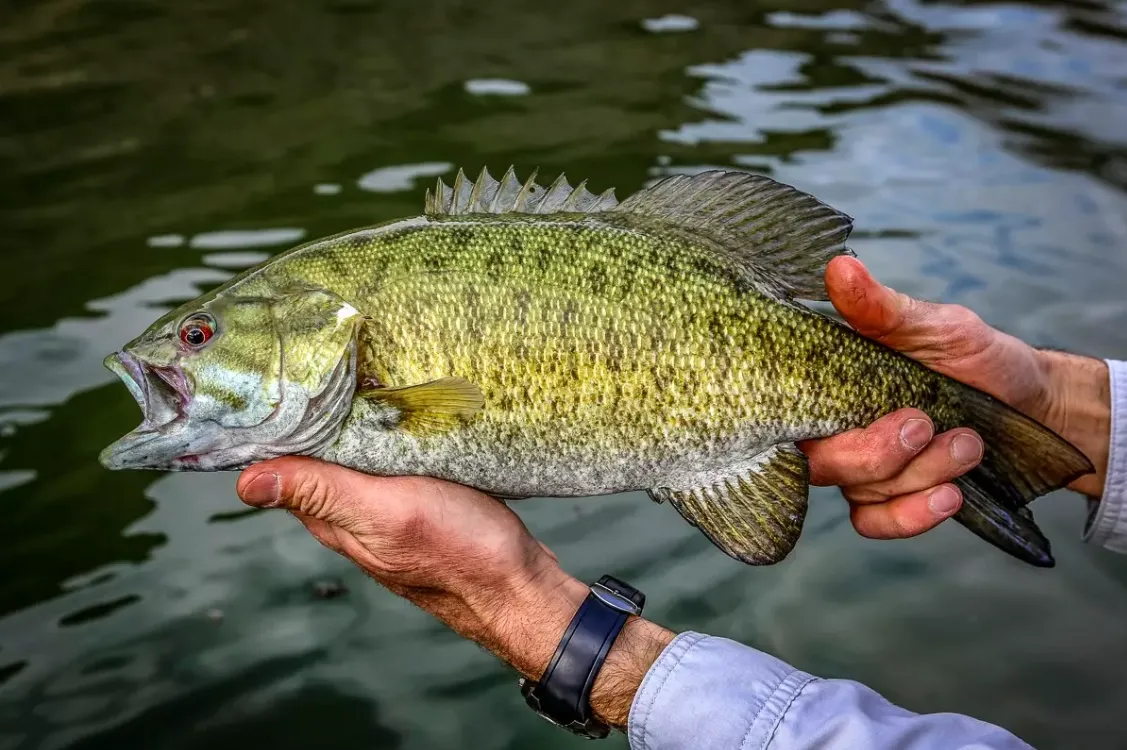
Smallmouth bass have a reputation among anglers for fighting harder than almost any freshwater fish their size. They jump, they bulldog toward the bottom, and they use current to their advantage. They also live in some of the best scenery you can fish: clear, rocky lakes and cool, flowing rivers.
Smallmouths are not the same fish as largemouths, and the largemouth playbook only gets you partway. They prefer cleaner, cooler water, harder bottoms, and moving water. This guide covers the gear that suits them, a few easy techniques, and how to find them from shore or a boat.
Some links on this page are affiliate links. If you buy through them, we may earn a commission at no extra cost to you. See our affiliate disclosure.
Know the Fish First
Smallmouths are usually found over rock rather than weeds and mud. Where they live, a few patterns show up again and again, though timing and depth vary by region and water body.
- They love hard bottoms. Boulders, broken rock, gravel flats, ledges, and rocky points are classic holding areas.
- They like current. In rivers, they often sit in the slack water just beside faster flow, such as eddies behind boulders and seams where fast and slow water meet.
- Crayfish are a staple. Along with minnows and other baitfish, crayfish are a main food source, and many effective lures imitate them by bumping along the bottom.
- They are often more cautious than largemouths. In clear water, smaller lures, lighter line, and a quieter approach tend to help.
- Cooler water suits them. Many smallmouths are active at temperatures where largemouths have already slowed, though specifics differ by region.
The Beginner Gear List
Smallmouth fishing rewards a lighter, more sensitive setup than most beginner bass kits. Here is what to start with.
Rod and reel
A 6'6" to 7'2" medium or medium-light, fast-action spinning rod is the best starting point. It casts small lures well, transmits the light taps of a bite, and still has enough backbone to handle a hard-fighting fish. Pair it with a 2500 to 3000 size spinning reel with a smooth drag.
Want the full breakdown? See our best rod and reel for smallmouth bass guide.
Line
A common setup is 6-10 lb braided line tied to a fluorocarbon leader of a few feet. Braid is thin and casts far, which helps in wind and on long river casts. The fluorocarbon leader is less visible in the clear water smallmouths often live in. A beginner can also simply spool 6-10 lb fluorocarbon or monofilament.
Four lure types to start
You can catch smallmouths with a short list:
- Tube jigs, the classic smallmouth lure, which imitate crayfish and baitfish
- A ned rig, a small, buoyant plastic on a light jig head that is easy to fish and hard for fish to ignore
- Inline spinners, which cover moving water well
- A suspending jerkbait or a topwater walking bait for fish that are feeding higher in the water
Our full lure breakdown is here: best baits and lures for smallmouth bass.
Small items that matter
- A tackle box or bag that keeps small jigs and plastics sorted
- Needle-nose pliers to remove hooks
- A fish lip grip for secure handling
- Polarized sunglasses, which cut glare so you can see rocks, ledges, and fish in clear water
Four Easy Techniques to Learn First
1. Dragging a ned rig or tube
Cast to a rocky area, let the lure reach the bottom, and slowly drag it with the rod tip, pausing often. You are imitating a crayfish crawling over stones. Bites often feel like a tap, or the line simply moves sideways. Reel up the slack and lift the rod firmly.
2. Swimming a tube or jig
Cast past a boulder or ledge, let the lure fall, then lift and drop it in short hops. Smallmouths often hit as the lure falls, so keep the line semi-tight and watch it for twitches.
3. Casting an inline spinner
Cast across or slightly upstream, then reel just fast enough to keep the blade turning. Let the current carry it through eddies and seams. It is one of the easiest ways to cover a river.
4. Working a jerkbait or topwater
On calm mornings and evenings, a walking bait or small popper over a shallow rocky flat can draw spectacular strikes. Retrieve with pauses. With a jerkbait, twitch, pause, and twitch again, since fish often hit while it sits still. Many smallmouths miss a topwater lure the first time, so wait until you feel weight before setting the hook.
Where to Catch Smallmouth From Shore
Rocky banks are the shore angler's best friend.
- Fish rocky banks and riprap. Shorelines with boulders and rubble hold crayfish and the bass that feed on them.
- Work river riffles and eddies. Cast above a riffle and let your lure drift into the deeper, slower water below, or fish the soft water behind large rocks.
- Try harbors and breakwalls. Rock walls often hold baitfish, and smallmouths follow. Keep a safe footing on wet stone.
- Look below dams carefully. Tailwaters can concentrate fish and baitfish, but water releases can raise levels and current quickly. Obey posted warnings, stay out of restricted zones, and never wade or stand where a sudden release could trap you.
- Wade slowly and quietly. Clear water carries sound and shadows. Move deliberately and cast across your path.
- Check access. Public ramps, parks, and river access points are good starts. Respect private property.
Where to Catch Smallmouth From a Boat
A boat lets you reach the offshore structure that holds bigger groups of fish.
- Drift over ledges and humps. Smallmouths often relate to a rock hump or the edge where a shallow flat drops off. A slow drift keeps a jig or drop shot near the bottom.
- Fish points. Rocky points extending into the lake attract baitfish and are a reliable place to start.
- Look for current seams in rivers. Position upstream of the seam or eddy and cast across.
- Use electronics if you have them. A fish finder shows depth changes, rock, and baitfish. Mark the spots that produce.
- Stay off the fish. In clear water, a boat can spook fish at a distance. Quiet trolling-motor use and long casts help.
How to Set the Hook and Land the Fish
- When you feel a bite, reel down to take up slack.
- Sweep the rod firmly. Light line and small hooks need a controlled, not wild, hookset.
- Keep the rod up and the line tight. Smallmouths often make a strong run and may leap. Let the drag work.
- If the fish jumps, lower the rod tip briefly to avoid throwing the hook.
- Use current to your advantage. Fish in a river will use the flow against you, so steer them out of fast water.
- Grip the lower jaw or use a lip grip. Support a larger fish's body with a second hand and keep it low over the water.
- Wet your hands and return the fish quickly.
Common Beginner Mistakes
- Using gear that is too heavy. Heavy line and big lures can reduce bites in clear water.
- Fishing the wrong bottom. Mud and thick weeds are often poor; look for rock.
- Retrieving too fast. Slow, bottom-hugging presentations are usually better early on.
- Ignoring current direction. In rivers, fish face upstream and wait for food to drift to them.
- Weak hooksets on tubes and jigs. Wait for weight, then sweep.
- Giving up on a spot too soon. Move along a rocky bank steadily and cover water.
Safety and Respect
Fishing licenses, seasons, size limits, and bag limits vary by state and province, and they change, so check your local wildlife agency before you go. Many regions have catch-and-release-only periods around spawning, when males guard nests and are easy to disturb. Check whether one applies where you fish and leave nesting fish alone. Smallmouths are sensitive to stress in warm water, so handle fish gently, keep them in the water as much as possible, and release them promptly. Wear a life jacket in a boat and in current, and watch your footing on slick rocks.
Your Quick Starter Checklist
- 6'6"-7'2" medium or medium-light fast spinning rod
- 2500-3000 spinning reel
- 6-10 lb braid with a fluorocarbon leader, or 6-10 lb fluorocarbon
- Tube jigs and a ned rig setup
- An inline spinner and a jerkbait
- Pliers, a lip grip, and polarized sunglasses
- A small tackle box
- A valid fishing license and a check of local rules
FAQ
What is the best bait for beginner smallmouth anglers? A tube jig or a ned rig, dragged slowly along rocky bottom, is a very reliable place to start.
Can I catch smallmouth from shore? Yes. Rocky banks, river riffles, harbors, and breakwalls can all hold fish.
Are smallmouth bass harder to catch than largemouth? Often a bit more selective, especially in clear water. Lighter line and smaller lures usually help.
When is the best time to fish for smallmouth? Low-light periods are often good, and many anglers have strong days in cooler seasons, though timing varies by region.
Next up: Fall Smallmouth Bass Fishing, where to find smallmouths as the water cools and what to throw.