
Best Baits and Lures for Smallmouth Bass (And When to Use Each)
The best baits and lures for smallmouth bass: tube jigs, ned rigs, drop shots, jerkbaits, topwaters, spinners and more, with when and how to fish each.
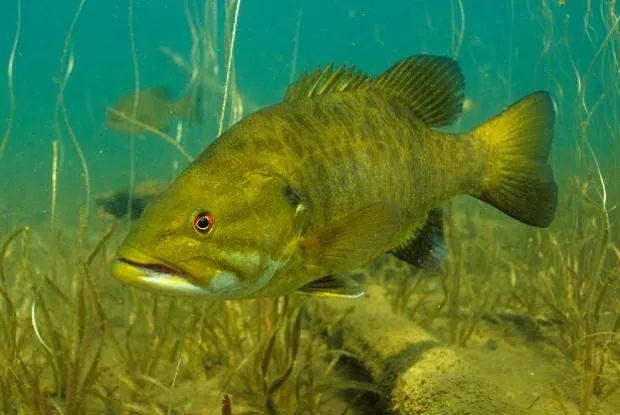
Smallmouth bass eat crayfish and baitfish, and the lures that catch them mostly imitate one or the other. Many of the best are small and subtle. The right choice depends on how active the fish are, how clear the water is, and whether they are near the bottom or higher in the water.
This guide covers the best smallmouth lures, when to use each, and how to fish them from shore or a boat.
Some links on this page are affiliate links. If you buy through them, we may earn a commission at no extra cost to you. See our affiliate disclosure.
How to Choose
- Crayfish or baitfish? Along rocky bottoms, crayfish imitations like tubes and jigs work. Over open flats and in current, baitfish imitations like jerkbaits and swimbaits shine.
- How active are the fish? Active fish chase topwaters, crankbaits, and spinners. Sluggish fish, such as those in cold water, prefer slow ned rigs, drop shots, and jigs.
- How clear is the water? Clear water often calls for natural colors, lighter line, and smaller baits.
- What is the weather doing? Calm surfaces help topwaters, while wind and cloud cover often help moving lures.
Bottom-Contact Lures
Tube jigs
A hollow soft plastic body on an internal jig head is arguably the signature smallmouth lure. It looks like a crayfish when dragged, and a baitfish when it spirals on the fall.
- When: Almost any season, and best over rock, gravel, and ledges.
- How: Cast, let it fall, then drag, hop, or swim it. Many bites come as it falls.
- Shore or boat: Both.
Ned rig
A short, buoyant plastic on a light mushroom-style jig head that stands up off the bottom. It is simple to fish, and it often draws bites when fish are pressured or sluggish.
- When: Cold water, clear water, and heavily fished spots.
- How: Cast, let it settle, then drag slowly and pause. Keep a light rod and sensitive line.
- Shore or boat: Both, and an excellent choice for the bank.
Drop shot
A hook tied above a weight so the bait floats just off the bottom. You can hold it in place over a ledge or shake it lightly.
- When: Fish holding on a hump or ledge, in clear water, or when they will not move for a lure.
- How: Lower to the bottom, hold the weight still, and gently twitch the rod tip so the bait quivers.
- Shore or boat: Mostly boat, though it works from shore where deeper water is near.
Hair and finesse jigs
A small jig with natural hair or a thin skirt, often with a small trailer. It has a soft, compact profile that resembles a crayfish.
- When: Cool water and clear water, and rocky areas.
- How: Drag, hop, or swim it slowly.
- Shore or boat: Both.
Moving Baits
Suspending jerkbait
A slim, minnow-shaped lure that hangs in place when you stop reeling.
- When: Cool water in spring and fall, and around rocky points and flats. Often most useful in clear water.
- How: Twitch it with the rod tip, then pause. Cold water may need longer pauses. Strikes often come when it is sitting still.
- Shore or boat: Both.
Crankbait
A lure with a lip that dives and bounces off rock. Pick a diving depth that matches the water you are fishing.
- When: Active fish, and when they are on rocky points, flats, and breakwalls. Shallow-diving options are good along riprap.
- How: Cast and retrieve steadily, and bump the lure into rocks. Deflections off rock often trigger strikes.
- Shore or boat: Both.
Swimbait
A soft baitfish-shaped plastic on a jig head, retrieved steadily.
- When: When smallmouths are feeding on baitfish, often in fall.
- How: Reel steadily along the bottom or just above it, with occasional pauses.
- Shore or boat: Both.
Inline spinner
A small blade spinning around a wire shaft that gives off flash and vibration.
- When: Rivers, current seams, and any time you want to cover water quickly.
- How: Cast across the current, and retrieve just fast enough to keep the blade turning.
- Shore or boat: Both, and a great pick for river wading.
Topwater
Walking bait
A cigar-shaped lure that moves side to side as you twitch it down.
- When: Calm, low-light conditions over shallow rock, especially in warmer months.
- How: Rhythmic twitches. Do not set the hook until you feel the fish load the rod.
- Shore or boat: Both.
Popper
A lure with a cupped face that spits and gurgles when jerked.
- When: Over rocky flats and boulder fields, and near rock walls at dawn or dusk.
- How: A short pop, then a long pause. Let the rings fade before the next pop.
- Shore or boat: Both.
A Beginner Starter Kit
A compact smallmouth kit that covers most situations:
- Tube jigs in natural crayfish and baitfish colors
- A ned rig setup with a few light jig heads
- A suspending jerkbait
- An inline spinner or two
- A walking bait or popper for calm mornings and evenings
- A few swimbaits and jig heads
- A small drop shot assortment
Shore vs Boat Notes
From shore:
- Ned rigs, tubes, spinners, and jerkbaits are among the most practical lures, since they cast far and are easy to retrieve over rock.
- Fish rocky banks, riffles, and breakwalls. Cast along structure rather than straight out.
- Rocks eat lures, so carry spares of your favorites.
From a boat:
- Drop shots and jigs excel on ledges and humps you can find with electronics.
- Cranks and jerkbaits help you cover points and flats quickly.
- Drifting a tube slowly over deeper rock is a classic approach.
Match the Lure to the Season
| Season | Strong choices |
|---|---|
| Spring | Jerkbaits, tubes, ned rigs, hair jigs along rock. Check for catch-and-release rules around spawning. |
| Summer | Topwaters at dawn and dusk, crankbaits, inline spinners, and drop shots on deeper rock |
| Fall | Swimbaits, tubes, jerkbaits, and hair jigs near baitfish |
| Cold water | Slow ned rigs, drop shots, and hair jigs |
Regional timing varies, so use the table as a guide, not a rulebook.
Color Quick Guide
- Clear water: Natural crayfish browns, greens, and translucent baitfish shades.
- Stained water: Brighter colors, and dark silhouettes.
- Low light: Darker or higher-contrast colors can stand out.
- Bright sun: Subtle, natural colors and smaller sizes.
Handling and Tackle Tips
- Sharp hooks matter. Small hooks dull quickly on rock, so check and replace them.
- Use pliers. Needle-nose pliers help remove small hooks from the jaw safely.
- Keep it quick. Smallmouths can be stressed by long fights in warm water, so land them promptly and revive them if needed.
- Leave nesting fish alone. When guarding a nest, males are easy to catch and the nest is vulnerable. Check your local rules for closed or catch-and-release-only periods.
- Right gear for the bait: For rod and line recommendations, see best rod and reel for smallmouth bass.
FAQ
What is the best lure for smallmouth bass? A tube jig is a classic, and a ned rig is a close second for beginners.
What is the best smallmouth lure for rivers? An inline spinner or a small jig worked through current seams and eddies.
Do smallmouths hit topwater lures? Yes, especially on calm mornings and evenings over rocky shallows.
What color is best for smallmouth? Natural crayfish and baitfish colors in clear water, brighter or darker colors in stained water.
Related: Smallmouth Bass Fishing for Beginners and Fall Smallmouth Bass Fishing.