
Largemouth Bass Fishing for Beginners: Gear, Techniques, and Where to Catch Them
New to bass fishing? Learn the gear you actually need, the easiest techniques, and where to find largemouth bass from shore or a boat.
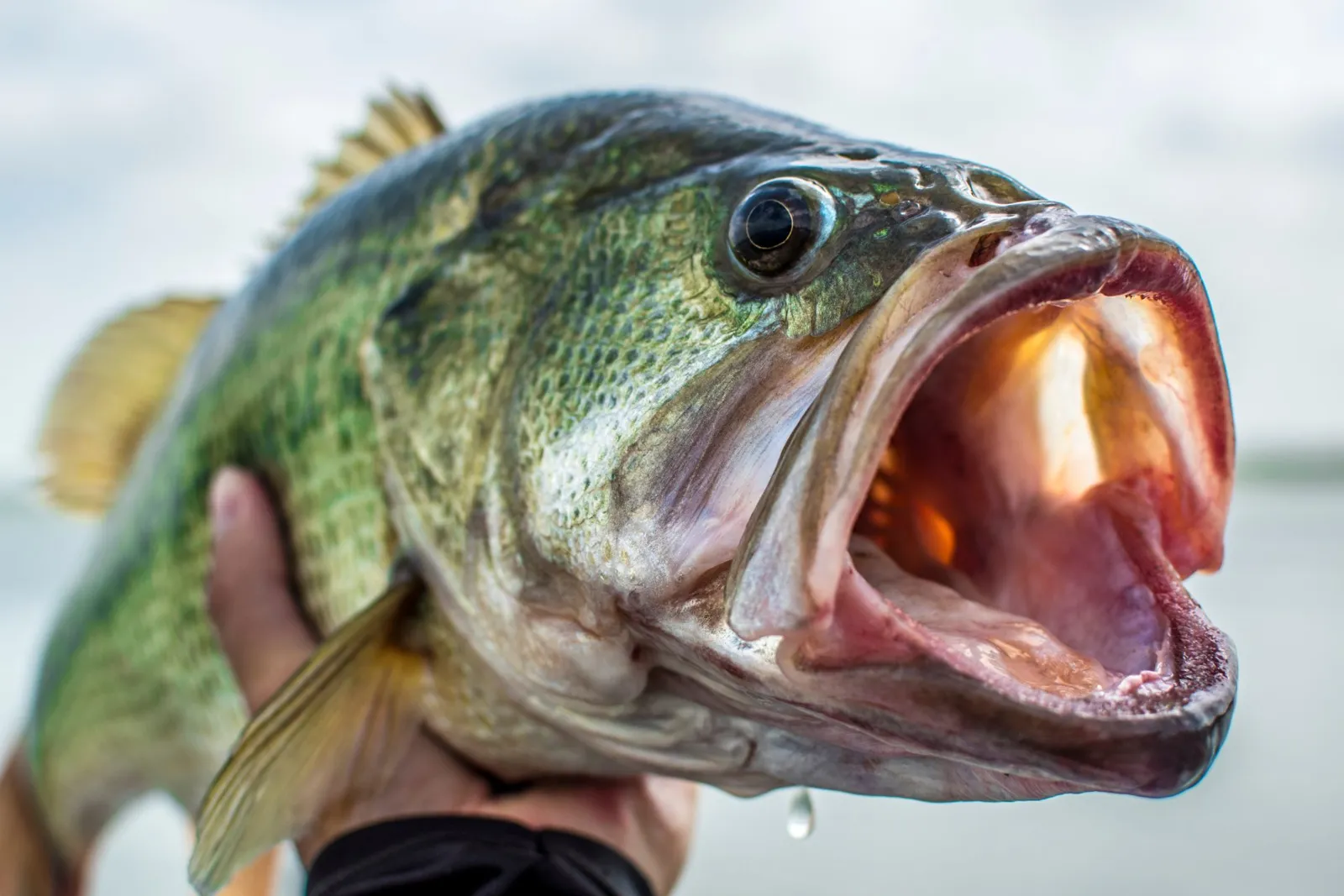
Largemouth bass are the most popular freshwater gamefish in North America for good reason. They live in nearly every state and province, they thrive in ponds, small lakes, big reservoirs, and slow rivers, and they hit a wide range of lures. They also fight hard for their size.
The problem for beginners is the sheer amount of gear on the market. There are thousands of lures and hundreds of rods, and most of it you don't need. This guide covers the short list that actually works, the easiest techniques to learn first, and where to find fish from the shore or a boat.
Some links on this page are affiliate links. If you buy through them, we may earn a commission at no extra cost to you. See our affiliate disclosure.
Know the Fish First
Largemouth bass are ambush predators. They hold near something that breaks up the water, like a weed edge, a fallen tree, a dock, or a rock pile, and they wait for food to pass. They eat nearly anything that fits in their mouths: baitfish, crayfish, frogs, worms, and insects.
Three facts help you more than any lure:
- Cover is where bass live. If a spot has nothing for a bass to hide next to, you'll rarely catch one there.
- Temperature drives activity. Bass are generally most active when the water is roughly in the 60s and 70s °F. They slow down in cold water and get sluggish in the heat of midsummer afternoons.
- Low light is prime time. Early morning and the last hour before dark are often the best windows, especially in summer.
The Beginner Gear List
You don't need a boat full of tackle. This is the starting setup.
Rod and reel
A 6'6" to 7' rod in medium or medium-heavy power with a fast action covers most bass fishing. For a first setup, a spinning combo is the easiest to use because it's forgiving and rarely tangles. A baitcasting combo is more precise and better with heavier lures, but it has a learning curve (backlashes, or "bird's nests," are common at first).
Want the full breakdown? See our best rod and reel for largemouth bass guide.
Line
- Monofilament, 8-12 lb: stretchy and forgiving, a good all-around choice for beginners.
- Fluorocarbon, 8-12 lb: nearly invisible underwater and sensitive, good for clear water.
- Braided line, 10-20 lb with a fluorocarbon leader: strong and thin, best in heavy cover once you're comfortable.
Hooks and weights
For plastic worms and similar baits, you'll want offset worm hooks (around 3/0 for most worm sizes) and bullet weights from 1/8 oz to 1/2 oz. These are the core of the Texas rig, the easiest way to fish soft plastics in cover.
Three lure types to start
You can catch bass on a very small selection:
- A soft plastic worm or stick bait (Texas rigged or wacky rigged)
- A topwater lure such as a hollow-body frog for weeds, or a popper or walking bait for open water
- A spinnerbait for covering water fast
Our full lure breakdown is here: best baits and lures for largemouth bass.
Small items that matter
- A tackle box or bag to keep things organized
- Needle-nose pliers to remove hooks
- A fish lip grip for safe handling
- Polarized sunglasses, which let you see cover, fish, and structure under the surface and protect your eyes from hooks
Four Easy Techniques to Learn First
1. The Texas-rigged worm
The Texas rig has the hook buried in the plastic, so it slides through weeds and wood without snagging. Cast it near cover, let it sink on a slack line, then lift the rod tip slowly and let it fall again. Most bites come as a "tick" in the line or a feeling that the worm suddenly got heavy. When you feel that, reel down to remove slack and sweep the rod up hard.
2. The wacky-rigged stick bait
Hook a soft stick bait through the middle so both ends flutter as it sinks. Cast it, let it fall, and twitch it gently. It's very effective around docks and in open pockets, and bass often take it on the fall.
3. Topwater
Few things are more exciting than a bass blowing up on a surface lure. Throw a hollow-body frog over weeds and mats, or a popper or walking bait over open water. Work it slowly and wait a beat after the strike before setting the hook, since bass often miss on the first bite or you'll pull it away.
4. The spinnerbait
A spinnerbait is among the simplest lures to use: cast it out, let it sink to your desired depth, and reel steadily. Bass hit it from all angles around cover, and you often don't need to do anything except reel.
Where to Catch Bass From Shore
You don't need a boat to catch good bass. Many of the best fish come from shore.
- Walk the bank and look for cover. Fallen trees, docks, weed edges, rocks, and bridge pilings hold fish.
- Fish points and inlets. Spots where land juts into the water, or where a creek flows in, gather baitfish and the bass that eat them.
- Cast along the shoreline, not straight out. Many bass are within a few feet of the bank, especially in the morning and evening.
- Cover water, then slow down. Start with a spinnerbait or a topwater to find active fish, then switch to a worm to work the spots that look best.
- Be quiet. Heavy footsteps and shadows on the water spook shallow bass.
- Check access rules. Some banks and ponds are private or restricted. Public lakes, state parks, and community ponds are common good options.
Where to Catch Bass From a Boat
A boat lets you reach spots banks can't, especially deeper structure.
- Fish the edges of weeds and drop-offs. Bass hold where shallow water meets deeper water.
- Work docks and laydowns by pitching a worm or jig into the shade.
- Find humps, ledges, and points in reservoirs, where bass hold at different depths through the day and the seasons.
- Use a fish finder if you have one. It shows depth changes, structure, and baitfish, which are often what brings bass in.
- Stay a cast away. Moving a boat too close pushes fish off, so keep a good distance and cast to the cover.
- Learn your trolling motor. Quiet movement beats a loud engine near shallow fish.
How to Set the Hook and Land the Fish
- When you feel a bite, reel down to take up slack.
- Sweep the rod up firmly. You want a solid hookset, especially with a Texas rig, since the hook has to push through the plastic.
- Keep the rod up and the line tight as the fish runs. Let the drag do some of the work.
- If the bass jumps, lower the rod tip briefly to keep the hook in.
- Lead the fish to you, and grab its lower lip with your thumb in the mouth, or use a lip grip.
- Wet your hands before touching a fish you plan to release, and put it back quickly.
Common Beginner Mistakes
- Buying too much gear. Start with the basics above.
- Fishing empty water. Without cover or structure, there are often no fish.
- Reeling too fast with worms. Slow down.
- Weak hooksets. Many missed bass are from not setting the hook hard enough.
- Using line that's too light in cover. It breaks on a hooked fish or fraying weeds.
- Giving up after 30 minutes. Bass fishing is part patience. Change spots and lures if you're not getting bites.
Rules and Respect
Fishing licenses, size limits, and bag limits vary by state and province, and they change. Check your local wildlife agency's website before you go. Many anglers practice catch and release for bass, which helps keep fisheries strong, but it's your decision, as long as you follow local rules.
Your Quick Starter Checklist
- 6'6"-7' medium or medium-heavy spinning or baitcasting combo
- 8-12 lb line
- Offset worm hooks and bullet weights
- A few soft plastic worms and stick baits
- One topwater lure and one spinnerbait
- Pliers, a lip grip, and polarized sunglasses
- A small tackle box
- A valid fishing license
FAQ
What's the best time of day to catch largemouth bass? Early morning and evening tend to be most productive, especially in warm weather. In cooler seasons, midday can be better.
Do I need a boat to catch bass? No. Many bass are caught from shore, especially in ponds and small lakes.
What's the best bait for a beginner? A Texas-rigged soft plastic worm is a reliable choice. A spinnerbait is a good second.
Spinning or baitcasting for a first rod? Spinning is easier to learn. Baitcasting offers more control once you've practiced.
Next up: Fall Largemouth Bass Fishing, where to find bass as the water cools and what to throw.