
Lake Trout Fishing for Beginners: Gear, Techniques, and Where to Catch Them
New to lake trout? Learn the gear, the core boat techniques, and where these deep, cold-water char live, plus honest notes on fishing for them from shore.
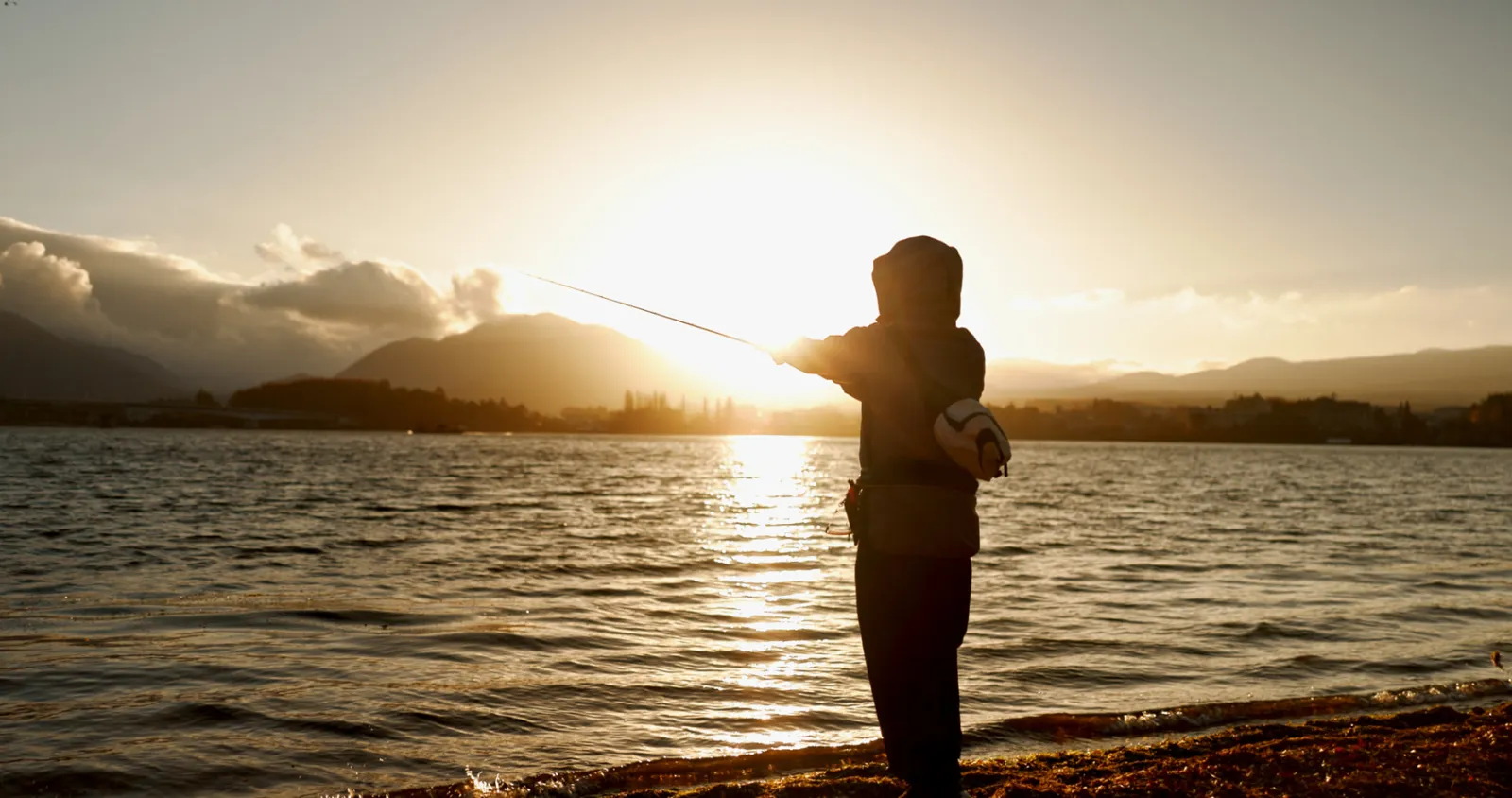
Lake trout are a big-water fish. They are a native char (a relative of brook trout, not a true trout) that lives in large, deep, cold, clear lakes across the northern United States and Canada, including the Great Lakes, and in some waters where they were introduced. Most anglers call them "lakers."
They have a reputation for being hard to find, and that reputation is mostly about depth. When you know where to look and have a way to get a lure down there, lake trout are not complicated. This guide covers the gear, the main techniques, and where to start.
Some links on this page are affiliate links. If you buy through them, we may earn a commission at no extra cost to you. See our affiliate disclosure.
Know the Fish First
Lake trout are cold-water specialists. A few facts shape everything else about how you fish for them:
- They follow cold water. In summer, many lakers sit deep near the cold layer of the lake, often well below the depth most anglers fish. Just after ice-out and again in fall, many are shallower and easier to reach, though timing varies a lot by lake and region.
- They eat fish. Cisco, smelt, whitefish, and other baitfish are typical forage in many lakes. Lures that look like a flashing, wounded baitfish usually work.
- They hold near structure. Rocky points, humps, drop-offs, and steep breaks are where lakers and their food gather. On big open water, structure is the whole game.
The Beginner Gear List
You can start with a modest kit. Depth is the main problem, so most of the specialized gear exists to solve that.
Rod and reel
A spinning rod around 7' to 8' in medium or medium-heavy power handles most jigging and casting. Pair it with a 3000 to 4000 size spinning reel with a smooth drag. Lakers make long, steady runs, and a jerky drag costs fish.
Want the full breakdown? See our best rod and reel for lake trout guide.
Line and leaders
Braided line in the 10 to 20 lb range is popular for deep jigging because it has almost no stretch, so you feel bites and set hooks at depth. Add a stronger fluorocarbon leader, since lake trout have sharp teeth and rough mouths, and clear water makes them wary of visible line.
Lures to start with
Three lure types cover most beginner situations:
- Jigging spoons, heavy metal spoons that drop fast and flash on the fall
- Tube jigs, soft plastic tubes on a jig head, a long-time laker standard
- Trolling spoons, larger spoons pulled behind a boat
Our full lure guide is here: best baits and lures for lake trout.
Getting down to the fish
If you troll, you need a way to put lures at the right depth. A downrigger uses a heavy weight on a cable to carry your line down and releases it when a fish strikes. Other options are planer boards, which spread lines out to the side, and lead-core line, which sinks on its own. Downriggers are the most direct for beginners who already have a boat.
Handling and comfort gear
- A rubber-mesh net protects the fish's skin and slime coat and keeps hooks from tangling.
- Needle-nose pliers reach hooks safely, which matters with a toothy mouth.
- Cold-weather gloves keep your hands working in wet, windy conditions.
- A rain jacket matters more than most beginners expect on open water.
- A life jacket, worn on the boat and not just stowed. See the safety section below.
Three Core Techniques
1. Vertical jigging
Use your fish finder to find structure and fish, position the boat over them, and drop a jigging spoon or tube to the bottom. Lift the rod tip a couple of feet, let the lure flutter back down, and repeat. Most bites come as the lure falls or just after you lift. Keep your line fairly tight as it drops so you can feel a hit.
2. Trolling with depth control
Set a spoon or large minnow-style lure at a known depth using a downrigger, planer board, or lead-core line, and move slowly along a drop-off or around a point. Trolling covers a lot of water, which helps when you do not yet know where the fish are. Speed matters, and the right speed changes by lure and lake, so adjust until the lure's action looks natural.
3. Casting when fish are shallow
When lakers move up shallow, cast spoons or tubes and retrieve them with a lift-and-fall rhythm. This is also the main shore method.
Where to Catch Lake Trout From a Boat
Boats are how most people catch lake trout, because the fish are usually where the bank cannot reach.
- Start at structure. Rocky points, underwater humps, and steep drop-offs are the best first stops. Lakers tend to cruise these edges.
- Use electronics. A fish finder marks depth, bottom type, baitfish, and the arches or marks of fish. Baitfish schools near structure are a strong sign.
- Match depth to season. In warm months, think deeper and near the cold water. Near ice-out and in fall, check shallower rocky areas first.
Where to Catch Lake Trout From Shore
Be realistic: shore fishing for lake trout is limited. In most lakes the fish stay too deep for a bank cast to reach during warm months. Some waters do give shore anglers a chance in cold seasons, when lakers cruise shallow.
- Look at rocky points, piers, jetties, and harbors that drop quickly into deep water. These are the most likely spots.
- Target cold seasons. Early spring and fall are the usual windows in lakes where it works at all. Ask local tackle shops or your wildlife agency whether your lake offers it.
- Cast spoons and big minnow-style lures and retrieve them with pauses.
- Check access. Some piers, harbors, and rocky shorelines have restrictions, and some areas close seasonally to protect fish.
Setting the Hook and Landing the Fish
- When you feel a hit, reel down to remove slack and sweep the rod up firmly. Deep water and braided line mean a lot of line to take up.
- Keep steady pressure as the fish runs. Let the drag work and do not horse the fish.
- Pump and reel to bring the fish up from depth.
- Net it in the water with a rubber-mesh net. If you plan to release it, keep it in the net in the water while you remove the hook.
Safety and Respect
Big-water safety. Lakes big enough to hold lake trout are cold even in summer, and cold-water immersion can cause trouble within minutes. Wear a life jacket, check the marine forecast before you go, and watch for wind shifts and building waves. Tell someone your plan and bring layers.
Handling fish that came from deep water. Lake trout pulled up from depth can suffer pressure injuries, such as a bloated belly or an everted stomach. If you plan to release a fish, play it steadily, keep it in the water, handle it gently with wet hands or a rubber net, and release it quickly. Avoid holding it up for long photos. Do not squeeze the belly.
Rules. Licenses, seasons, size and bag limits, closed areas, and gear rules for lake trout differ by state, province, and individual lake, and they change. Check your local wildlife agency before you go. Special rules and closures are common for this species.
Your Quick Starter Checklist
- 7'-8' medium or medium-heavy spinning rod with a 3000-4000 reel
- 10-20 lb braid and a strong fluorocarbon leader
- Jigging spoons, tube jigs, and trolling spoons
- A way to reach depth (downrigger, planer boards, or lead-core line)
- Rubber-mesh net and needle-nose pliers
- Rain jacket, cold-weather gloves, and a life jacket
- A valid license and a check of local rules
FAQ
What depth do lake trout live at? It depends on the lake and the season. They are often deep in summer and shallower near ice-out and in fall.
Can you catch lake trout from shore? Sometimes, in cold seasons from rocky points, piers, and harbors, but opportunities are limited and vary by lake.
What is the best lure for a beginner? A jigging spoon or a tube jig, fished over structure you have found with a fish finder.
Next up: Fall Lake Trout Fishing, where to find lakers as the water cools and what to throw.