
Fall Lake Trout Fishing: Where to Find Them and What to Throw
Fall can bring lake trout shallow. Learn where they go, which lures work, and how to fish responsibly around spawning fish from shore or a boat.
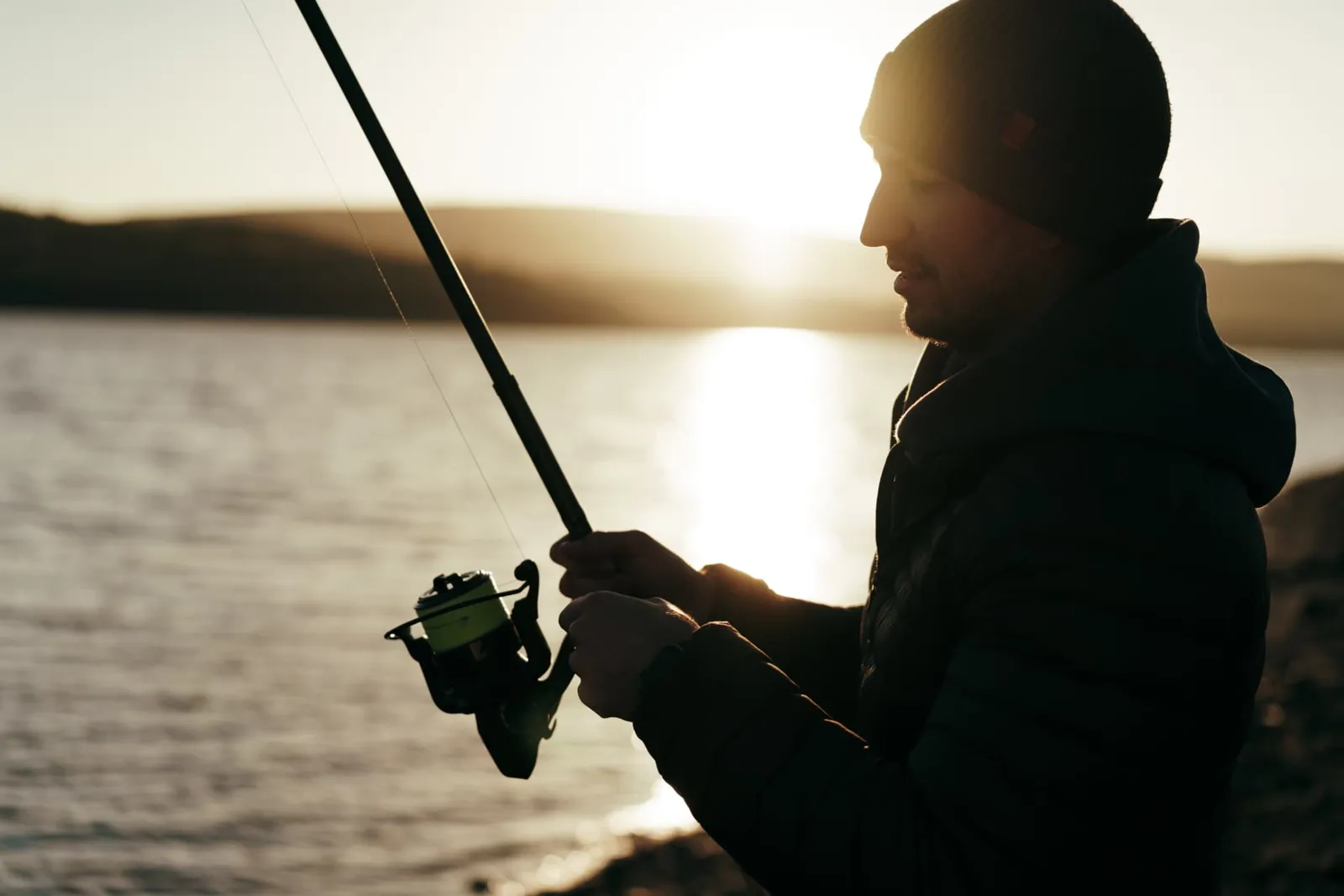
Fall changes the lake trout puzzle. For much of the summer, lakers sit deep near cold water, far from most anglers. In autumn, many of them move toward shallower, rocky areas to spawn. That can put them within reach of lighter gear, and in some places within reach of the shoreline.
It also puts them at their most vulnerable. This guide covers where lakers tend to go, what to fish, and how to do it without hurting the fishery.
Some links on this page are affiliate links. If you buy through them, we may earn a commission at no extra cost to you. See our affiliate disclosure.
What Changes in the Fall
- The lake cools and mixes. As surface water cools, the temperature gap that kept lakers deep shrinks, and they can roam shallower than in summer.
- Spawning drives movement. Lake trout typically spawn over clean rocky reefs and shoals in autumn. They do not build nests like many gamefish; they scatter eggs over rocks. Exact timing depends on the lake, latitude, and the year, so treat any calendar date as a rough guide.
- Fish gather in predictable places. Rocky structure near deeper water draws groups of fish, which is good news for finding them.
- Weather gets harder. Fall winds, cold rain, and falling temperatures make big lakes more demanding.
Because timing varies, a local bait shop, a regional fishing report, or your wildlife agency is a better source for "when" than any general guide.
Rules Come First in Fall
Spawning lake trout are a sensitive resource. Many waters have fall closures, special seasons, catch-and-release requirements, reef sanctuaries, or gear restrictions to protect them. These rules are common for this species and differ by lake.
Before you go, check your local wildlife agency's regulations for the exact water you plan to fish. If an area is closed to protect spawning fish, stay out of it. If you are not sure, assume you need to ask. Disturbing fish on spawning reefs can reduce a lake's future fishing.
Where to Find Lake Trout in the Fall
Rocky reefs and shoals
These are the classic spawning areas: clean, hard bottom, often with rubble and boulders, near deeper water. They are also where closures are most likely to apply, so confirm status before fishing one.
Points and shoreline breaks
Lakers move along rocky points and steep shorelines on the way to and from spawning areas. These spots often stay open when reefs are protected.
Drop-offs near spawning areas
Staging fish often hold at the edge of deeper water adjacent to a reef before moving up. Look for steep breaks with a rocky bottom.
Harbors and piers
In some lakes, lakers cruise harbors, breakwalls, and piers in fall, especially at low light. This is the main shore opportunity, and it depends heavily on the lake.
Fall From a Boat
- Use your fish finder to find structure first, then look for baitfish and marks near the bottom. Fish may sit tight to the rocks.
- Vertical jig with spoons and tubes over fish you mark. Fall fish can be more aggressive than summer fish, but not always, so try slower and faster lifts.
- Troll along the edges. Pull spoons or large minnow-style lures along drop-offs and points using a downrigger, planer boards, or lead-core line. Because fish may be shallower, you often need less depth than in summer.
- Slow down and cover water. If you are not marking fish in a spot, move along the structure until you do.
- Watch the weather closely. Big-lake fall conditions can turn rough fast. Check the marine forecast, expect cold wind, and head in early rather than late.
Fall From Shore
Be honest about the odds: not every lake offers shore fishing for lake trout, and where it does, results are more variable than from a boat. When it works, fall is one of the better times.
- Pick rocky points, piers, jetties, and harbors with deep water close by. Look for places that drop quickly.
- Fish low light. Early morning, evening, and overcast days are commonly better than bright midday.
- Cast spoons, blade baits, and large minnow-style lures and retrieve with long pauses. Let them flutter and fall.
- Dress for it. Wind and wet rocks mean waterproof layers, warm gloves, and traction on your boots.
- Never wade or climb out onto slick rocks or wet breakwalls in rough weather. Waves can come over without warning, and the water is cold.
- Check access and closures. Some shoreline areas and piers close seasonally to protect spawners.
The Best Fall Lake Trout Lures
Jigging spoons
Heavy metal spoons reach fish quickly and flash as they fall. They are a staple for vertical jigging over marked fish.
Tube jigs
A soft tube on a jig head dances as it falls and is easy to fish along rocky bottoms. It is a classic for a reason.
Blade baits
A compact metal blade bait vibrates when lifted and dropped. It is useful around rocky bottoms in cooler water.
Large minnow-style lures
Big, slim, baitfish-shaped lures can be cast from shore or trolled from a boat. Slow, pause-heavy retrieves often work best.
Trolling spoons
Large spoons pulled behind a boat cover water at set depths along edges and points.
For a full breakdown, see best baits and lures for lake trout.
Gear for Fall Lake Trout
- Rod and reel: A 7' to 8' medium or medium-heavy spinning rod with a 3000 to 4000 reel handles jigging, casting, and light trolling.
- Line: 10 to 20 lb braid with a stronger fluorocarbon leader. Braid gives sensitivity in cold water, and the leader resists teeth and rough mouths.
- Net: A rubber-mesh net helps you land and release fish gently.
More detail here: best rod and reel for lake trout.
Fall Tips That Help
- Scout before you fish. Ask about reef closures and recent conditions at a local shop or agency office.
- Fish the edges, not the reef itself, where rules allow. Fish moving through are often more catchable than spawners.
- Vary your retrieve. If fast lifts do not work, slow down and pause longer.
- Match the forage. Silver, white, and natural baitfish colors are good starts in clear water.
- Keep notes. Write down where and when you find fish. Lakers return to the same structure each year.
Safety and Handling
Cold water kills quickly. Fall water is cold, and falling in without a life jacket can be dangerous within minutes. Wear a properly fitted life jacket on a boat, never fish alone on big water without telling someone your plan, and keep a dry change of clothes.
Handle fish with care. Fish pulled from depth can suffer pressure injuries. Release them quickly, keep them in the water, and use a rubber net. Do not hold spawning fish up for photos or squeeze their bellies. If a fish must be kept and rules allow it, do so only from open waters and follow local limits.
Quick Fall Checklist
- Check closures and special rules for your exact lake
- 7'-8' medium or medium-heavy spinning combo
- Braid with a strong fluorocarbon leader
- Jigging spoon, tube jigs, blade bait, and a minnow-style lure
- Rubber-mesh net, warm gloves, rain jacket, and life jacket
- A marine forecast and a plan shared with someone
FAQ
Is fall a good time for lake trout? Often yes, because many fish move shallower. Timing and rules vary by lake.
Can I fish spawning reefs? Only if your local rules allow it. Closures are common, so check first.
Can I catch lake trout from shore in fall? Sometimes, from rocky points, piers, and harbors in lakes where lakers come shallow.
What is the best fall lure? A jigging spoon or a tube jig over structure is a dependable start.
Back to basics: Lake Trout Fishing for Beginners.