
Northern Pike Fishing for Beginners: Gear, Techniques, and Where to Catch Them
New to pike fishing? Learn the gear that matters, including wire leaders, plus easy techniques and where to find northern pike from shore or a boat.
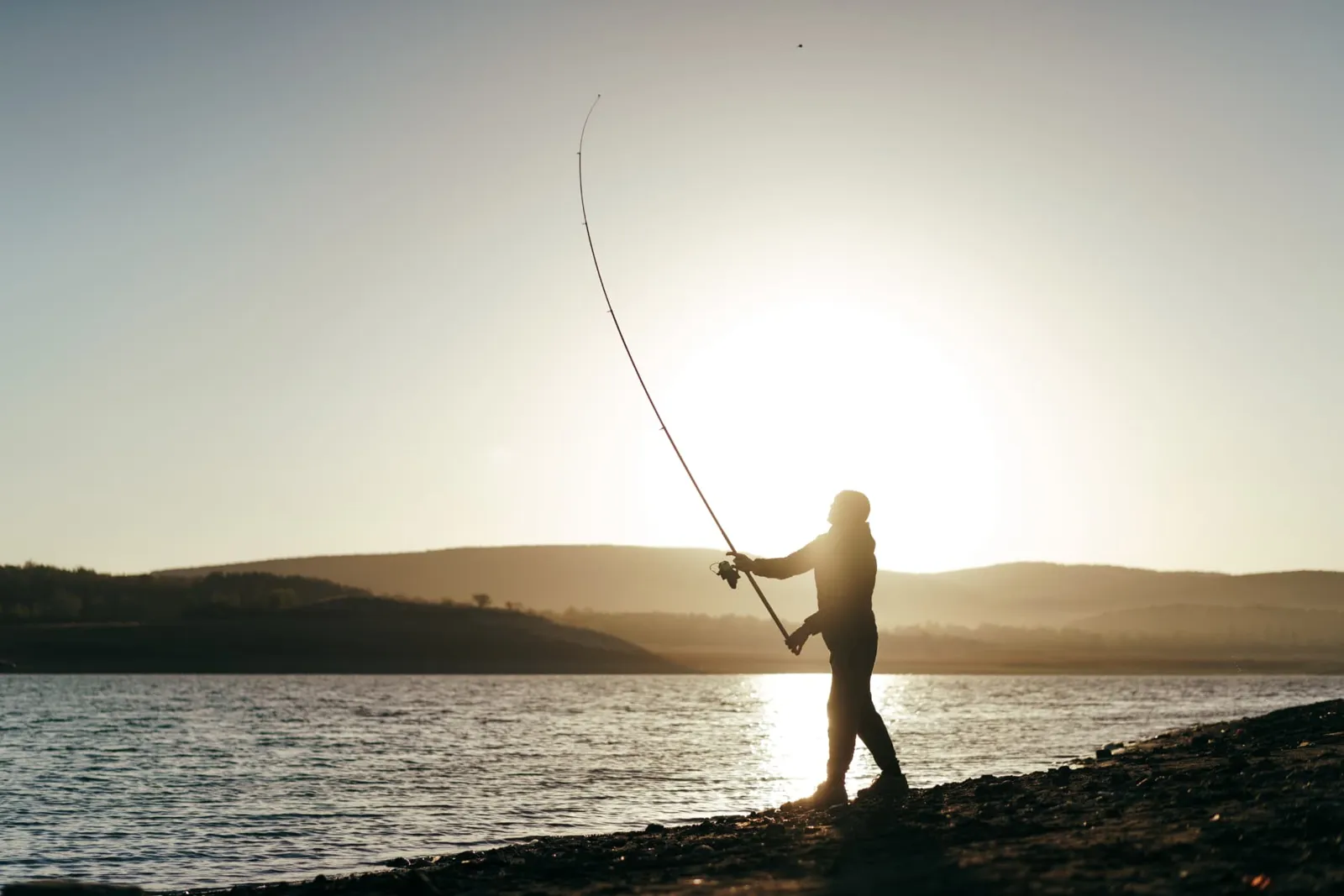
Northern pike are long, toothy, and aggressive. They live across the cooler northern waters of North America, Europe, and Asia, and they are one of the few freshwater fish that will charge a lure the size of a small fish and then run hard with it. For a beginner, that combination of simple tactics and big-fish excitement is hard to beat.
Pike also bite, and they cut. Their teeth and gill plates are sharp enough to slice line and skin, so the gear list for pike is not the same as for bass or panfish. This guide covers the short list that matters, the easiest techniques, and where to look from shore or a boat.
Some links on this page are affiliate links. If you buy through them, we may earn a commission at no extra cost to you. See our affiliate disclosure.
Know the Fish First
Pike are ambush predators built like a torpedo, with their fins set far back for explosive short bursts. They lie still near cover and strike when a fish swims close. Understanding that habit tells you where to cast.
- They hold near weeds. Weedy bays, the edges of weed beds, lily pads, and fallen timber are classic pike spots because the cover hides them and baitfish gather there.
- They eat fish first. Perch, suckers, shiners, ciscoes, and other soft-rayed fish are typical forage, though pike will also take frogs, ducklings, and small mammals when the chance comes. Local forage varies, so notice what the baitfish look like in your water.
- Temperature matters. Pike generally prefer cool water, and they are often shallower in spring and fall and tend to hold near deeper edges or cooler spots in the heat of summer. Timing varies by region and lake.
- They are often solitary. A good spot may hold a handful of fish, but you rarely find big schools. If you get no follow after a number of casts, move on.
- Young pike get called "hammer handles." Small fish are common and aggressive, and they are good practice. Larger fish are fewer and often rely on bigger baits.
The Beginner Gear List
Rod and reel
For pike, think in terms of power. A rod around 7' to 7'6" in medium-heavy power with a fast action handles big lures and fights strong runs. A spinning combo is easier for a beginner to cast and rarely tangles. A baitcasting combo gives more cranking power and control with heavy lures, but it takes practice to avoid backlashes.
Want the full breakdown? See our best rod and reel for northern pike guide.
Main line
Heavy braided line is the common choice, since it is thin for its strength, casts well, and sets hooks firmly. Many anglers choose braid in the 30 to 50 lb range. Braid has almost no stretch, so keep your drag set properly and your knots tight.
The leader (do not skip this)
A pike can cut through standard fishing line like scissors. A wire (steel) leader, or in some cases a very heavy fluorocarbon leader, goes between your main line and the lure. It is the single most important piece of pike gear. Use a leader with a strong clip or snap swivel so you can change lures quickly, and replace any wire that is kinked or frayed.
Three lure types to start
You can catch pike with a small, simple selection:
- A large spinnerbait for covering weedy water
- A big inline spinner that is easy to cast and retrieve
- A casting spoon that flashes and wobbles like a wounded baitfish
Our full lure breakdown is here: best baits and lures for northern pike.
Handling tools
Pike gear includes tools that keep your hands away from the teeth:
- Long-nose pliers to reach into the mouth and back out a hook
- A jaw spreader and hook cutters to hold the mouth open and cut a hook that is buried
- A large, rubber-coated net or cradle, because a pike's teeth and hooks tangle badly in coarse mesh
- Polarized sunglasses, which cut glare so you can see weed edges, fish, and cruising followers, and also protect your eyes from flying hooks
Four Easy Techniques to Learn First
1. The steady retrieve
Cast a spinnerbait or inline spinner past a weed edge and reel it back at a steady pace, keeping it above the weeds. Pike often follow before they strike, so the retrieve is also a way to learn what they like.
2. The spoon wobble
Cast a spoon, let it fall for a moment, then reel with an occasional lift of the rod tip. The change in speed makes the spoon flutter and often triggers a strike on the pause.
3. The figure-eight
When a pike follows your lure to the boat or bank and does not bite, keep the rod tip in the water and sweep the lure in a wide figure-eight. Pike frequently strike at the turn. Do this on every cast, because follows are common and the last few feet are often where the bite happens.
4. Pause and twitch
Pike respond to a change in action. Stopping the retrieve, twitching the rod tip, or letting the lure flutter down can turn a follower into a biter.
Where to Catch Pike From Shore
You can catch pike without a boat, and some of the best spring and fall action comes from the bank.
- Weedy bays and shallow coves. Walk the edge and cast along the weeds rather than straight out.
- Points and inlets. Where a point meets deeper water, or a stream enters a lake, baitfish gather and pike follow.
- Harbors and marinas. Docks, pilings, and breakwalls hold cover and forage in many lakes.
- River mouths and slow river backwaters. Slack water along a current seam is a good place to cast.
- Keep a low profile. Pike in shallow water can spot movement. Approach quietly and avoid casting a shadow over the water.
- Check access rules. Some banks and ponds are private or restricted.
Where to Catch Pike From a Boat
A boat lets you reach weed edges and structure that the bank cannot.
- Work weed edges. Cast parallel to the edge, where weeds drop into deeper water.
- Look for drop-offs and points. Pike use them as travel routes between shallow feeding areas and deeper water.
- Troll large lures. Trolling spoons or deep-diving plugs along an edge covers water quickly.
- Use electronics if you have them. A fish finder helps locate weed lines, depth changes, and baitfish.
- Stay a cast away. Quiet approaches keep shallow fish from spooking.
How to Set the Hook and Land the Fish
- Reel down to take up slack, then sweep the rod firmly. A strong hookset matters, since the mouth is bony.
- Keep the line tight and let the drag work. Pike often make powerful runs, especially near the boat or bank.
- Do not rush a green fish. A fish that is still full of energy can thrash and tangle hooks near your hands.
- Lead the fish into a rubber-coated net or cradle rather than lifting it by the line.
- Keep the fish in the water as much as you can while you work.
Safety and Handling
Pike handling needs more care than most species.
- Never put your fingers near the mouth or gills. The teeth are razor sharp, and the gill plates can cut deeply.
- Use long-nose pliers and a jaw spreader to remove hooks. If a hook is deep, cut it with hook cutters rather than digging.
- Wet your hands before touching the fish, and support the body horizontally with one hand under the belly and another near the tail. Do not hang a pike vertically by the jaw.
- Keep photos short. Hold the fish low over the water or a soft surface so a slip does not mean a drop.
- Release quickly. Hold the fish facing into gentle water until it swims off on its own.
- Carry a first-aid kit. Pike cuts are common, and hooks and teeth together are a risk.
Common Beginner Mistakes
- Skipping the leader. Without wire, you will lose lures and fish.
- Using a net with coarse mesh. It tangles hooks and harms fish.
- Quitting after one pass. Pike follow, so try the figure-eight.
- Fishing open water with no cover. Look for weeds, edges, and structure.
- Handling fish like panfish. Use tools, not bare fingers.
Rules and Respect
Many waters have slot limits, size restrictions, or special pike rules, and they change from place to place and year to year. Some waters also treat pike as an invasive species, while others protect them. Check your local wildlife agency's website for current licenses, seasons, limits, and any rules about wire leaders or bait before you go.
Your Quick Starter Checklist
- 7' to 7'6" medium-heavy fast spinning or baitcasting combo
- Heavy braided line, with a wire or heavy fluorocarbon leader
- A large spinnerbait, an inline spinner, and a casting spoon
- Long-nose pliers, a jaw spreader, and hook cutters
- A large rubber-coated net or cradle
- Polarized sunglasses
- First-aid supplies
- A valid fishing license and a copy of local pike rules
FAQ
What is the best time of day to catch pike? Low light often helps, but pike are active at many times. Timing varies by lake and season.
Do I need a wire leader? Yes. Pike teeth cut ordinary line, so a wire or very heavy fluorocarbon leader is strongly recommended.
Can I catch pike from shore? Yes. Weedy bays, harbors, and river mouths are good places to start.
What is the easiest lure for a beginner? A large spinnerbait or an inline spinner on a steady retrieve is a good place to begin.
Next up: Fall Northern Pike Fishing, where pike go as the water cools and what to throw.