
Crappie Fishing for Beginners: Gear, Techniques, and Where to Catch Them
New to crappie fishing? Learn the light gear you need, easy jig and bobber techniques, and where to find black crappie from shore or a boat.
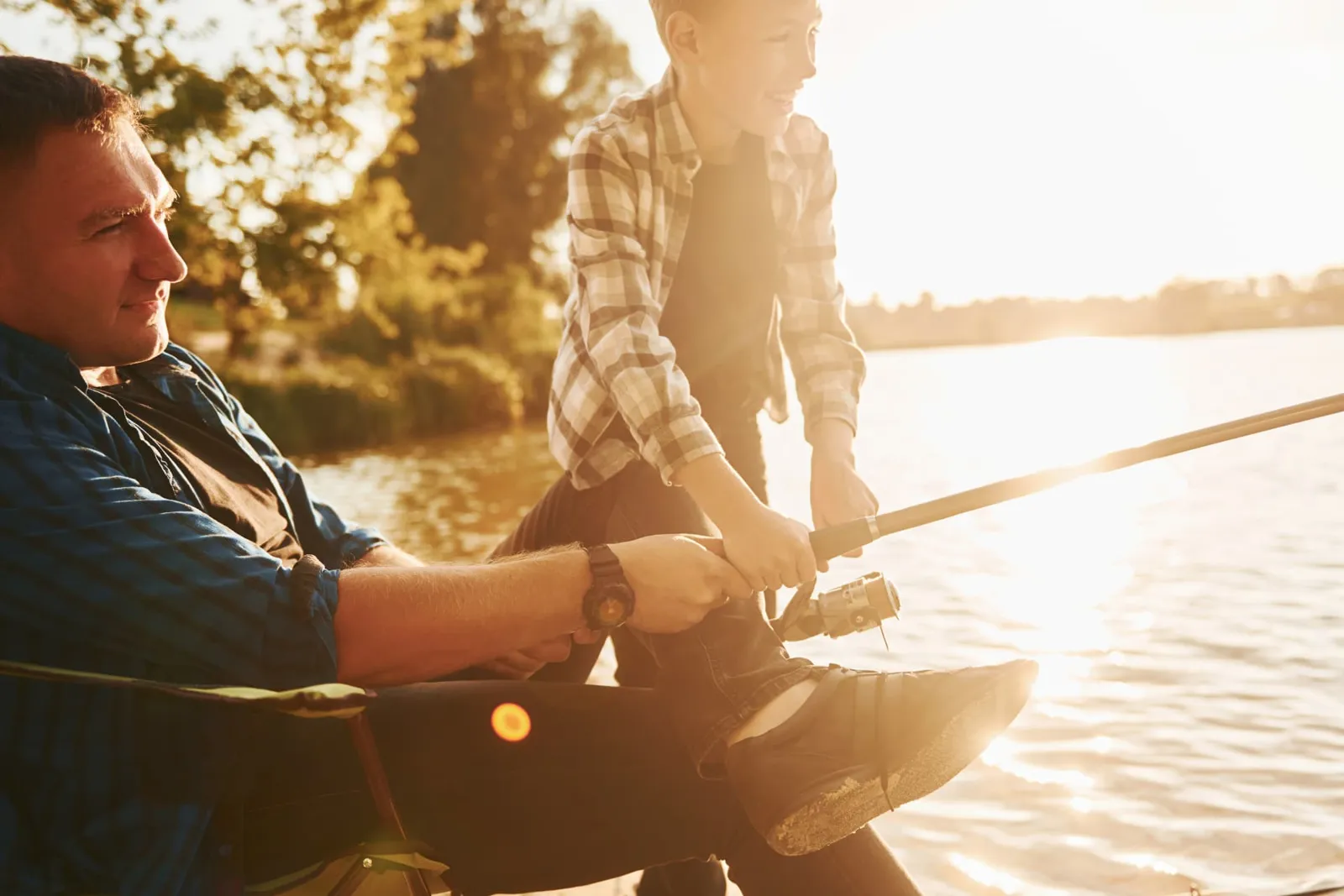
Black crappie are a great first target. They live in ponds, reservoirs, and natural lakes across much of North America, they travel in groups, and they bite small, simple baits. Find one and you have often found several. They are also well regarded at the table, which is part of why they are so popular.
The catch is that crappie are particular about where they sit. They are less about wandering and more about hanging on a specific piece of cover, sometimes at a specific depth. This guide covers the light gear that fits, a few easy techniques, and how to find fish whether you have a boat or not.
Some links on this page are affiliate links. If you buy through them, we may earn a commission at no extra cost to you. See our affiliate disclosure.
Know the Fish First
Black crappie are schooling panfish. They eat small baitfish, insects, and tiny crustaceans, and they like to sit close to something solid: a brush pile, a sunken tree, a dock, a bridge piling, or the edge of a weed bed. Three ideas will help you more than any lure:
- Cover is the address. If a spot has nothing for crappie to relate to, expect few bites.
- Depth matters. Fish in a school are often suspended at one depth. Once a bite tells you where, repeat that depth cast after cast.
- Seasons change the map. In spring, crappie move shallow to spawn, which is the easiest time to catch them from the bank. Outside that window, they tend to hold deeper and farther from shore. Timing varies by region and by water body, so local reports are worth checking.
Crappie are often called "papermouths" because the tissue around the lips is thin and tears easily. That shapes everything from hookset to handling, covered below.
The Beginner Gear List
Crappie gear is light, compact, and easy to carry. You do not need much.
Rod and reel
A light or ultralight spinning rod roughly 6' to 7'6" with a small reel is the standard starting point. Light rods let you feel soft bites and cast tiny jigs. A longer rod helps with reach, and specialized long crappie poles exist for dropping jigs straight down into cover.
For a full breakdown, see best rod and reel for crappie.
Line
Lines in the 4 to 6 lb range suit crappie. A low-visibility monofilament is forgiving and easy to knot, which is ideal when you are learning. Heavier line can be tempting around brush, but it tends to reduce casting distance with small jigs and can spook fish in clear water.
Jigs and soft plastics
Small jigs are the heart of crappie fishing. Jig heads in the 1/32 to 1/8 oz range, paired with small soft plastics, cover most situations.
A bobber setup
A slip bobber lets you hold a jig or a small live minnow at a precise depth, which is exactly what suspended crappie want. Check local rules before using live bait.
A small spinner
A tiny inline spinner gives you a way to cover water and find active fish before settling on a spot.
Small items that matter
- A tackle box to organize jigs, hooks, and bobbers
- A rubber-mesh net, since crappie lips tear and a net helps you land them without losing the fish at the bank
- Needle-nose pliers for removing hooks gently
- Polarized sunglasses to see docks, brush, and fish beneath the surface and to protect your eyes
For lure choices in more detail, see best baits and lures for crappie.
Three Easy Techniques to Learn First
1. Jig under a bobber
Clip a small jig under a slip bobber, set the depth shallow, and cast near cover. Wait. If nothing bites after a few minutes, lower the depth a foot or so and try again. When the bobber twitches or dips, lift the rod tip to set the hook. This is the single easiest way to catch crappie, and it works from a dock, a bank, or a boat.
2. Cast and slow-roll a jig
Cast a tube or minnow-style jig past a dock or tree, let it sink, then reel very slowly. Most bites are a faint tick or a slight heaviness. If you are not getting hits, count the jig down longer on the next cast to reach a deeper layer.
3. Tight-line vertical jigging
Lower a jig straight down beside a piling, dock post, or brush pile and lift it a few inches, then let it fall. Keep the line tight so you can feel the bite. It is simple, quiet, and productive anywhere you can drop a line close to cover.
Where to Catch Crappie From Shore
You do not need a boat to catch crappie, especially when fish are shallow.
- Fish docks and fishing piers. Docks offer shade and structure, and crappie often sit underneath or beside the posts. Always follow posted rules and respect private property.
- Try bridge and riprap areas. Pilings and rocky banks hold baitfish, and crappie follow. Cast along the rocks and fish close to the pilings.
- Look for fish-attractor locations. Some lakes sink brush or structures to hold fish. Local wildlife agencies sometimes publish maps, so check your area.
- Work the spring bank. When crappie move shallow to spawn, cast to wood, reeds, and weed edges close to the bank.
- Move after a few casts. Crappie are schooled up. If a spot gives you no bites after a fair try, relocate rather than fishing it all day.
- Stay quiet. Shallow crappie can spook from heavy steps or shadows.
Where to Catch Crappie From a Boat
A boat lets you reach cover banks cannot, and fish that sit out of casting range.
- Fish brush piles and submerged trees. These are the classic crappie holding spots. Position the boat a short distance away and cast, or hold over the top and drop a jig down.
- Use a fish finder if you have one. It can show cover below the boat and the depth where fish are suspended, which saves a lot of guesswork.
- Vertical jig. Lower a jig to the depth where you see fish and make small lifts.
- Slow troll. Drifting or slowly moving with jigs out can help find a school. Once you get a bite, return and fish that spot thoroughly.
- Mark the spot. If your electronics let you, mark productive cover so you can return.
- Anchor or use a trolling motor quietly. Noise travels in shallow water.
How to Set the Hook and Land the Fish
- When the line twitches or the bobber moves, lift the rod tip with a smooth, short sweep. Do not yank.
- Keep steady pressure. Crappie have thin mouth tissue, so hard hauling can tear the hook out.
- Keep the fish moving toward you rather than letting it dive back into brush.
- Use a net to lift the fish out of the water rather than swinging it up.
- Wet your hands before handling, and hold the fish gently, supporting it rather than squeezing.
- Spines on the dorsal fin can poke, so grip carefully.
Common Beginner Mistakes
- Fishing empty water. No cover usually means no crappie.
- Using line that is too heavy. It limits casting and can reduce bites.
- Not adjusting depth. Suspended fish may ignore a bait a foot too high or low.
- Setting the hook too hard. A gentle lift is enough.
- Staying too long on a dead spot. Move and try a different piece of cover.
Rules and Respect
Fishing licenses, size limits, daily limits, and seasons vary by state and province and can change, sometimes from one lake to the next. Check your local wildlife agency's website before you go. Many anglers practice selective harvest, keeping fish for a meal and releasing the rest, which can help keep fisheries healthy. Whatever you choose, follow local rules and handle every fish gently.
Your Quick Starter Checklist
- Light or ultralight spinning combo, about 6' to 7'6"
- 4-6 lb low-visibility line
- Jig heads and a few tube and minnow-style plastics
- A slip bobber kit
- A small spinner
- A rubber-mesh net, pliers, and polarized sunglasses
- A small tackle box
- A valid fishing license and a check of local rules
FAQ
What is the best time of day to catch crappie? Low-light periods around dawn and dusk are often productive, but crappie can bite all day when you are on the right cover at the right depth.
Do I need a boat to catch crappie? No. Docks, piers, bridges, and spring banks give shore anglers real chances.
What is the best bait for a beginner? A small tube or minnow-style jig, fished alone or under a slip bobber, is hard to beat.
Why do crappie bites feel so light? They often just inhale the bait. Keep your line tight and watch for a tick or a bobber twitch.
Next up: Fall Crappie Fishing, where to find crappie as the water cools and what to throw.