
Bluegill Fishing for Beginners: Gear, Techniques, and Where to Catch Them
New to bluegill fishing? Learn the light gear you need, the simplest techniques, and where to find bluegill from a dock, the shore, or a boat.
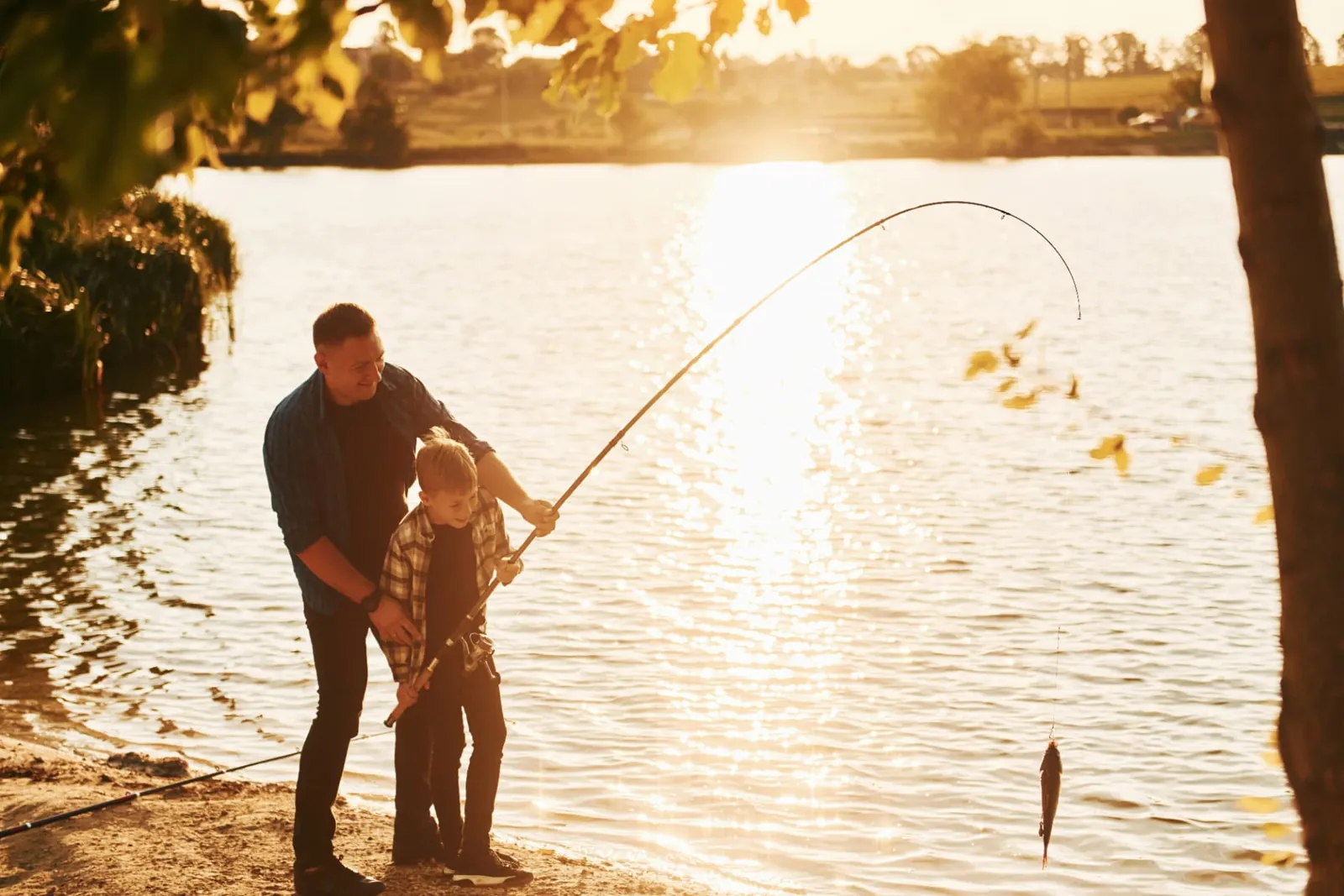
If there is a classic first fish, it is the bluegill. They live in ponds, lakes, and slow rivers across much of North America, they are willing biters, and they put a satisfying bend in a light rod. They are also a great fish for kids, because the action is steady enough to keep a short attention span busy.
Easy does not mean automatic, though. Bluegill nibble, and the wrong setup means a lot of stolen bait. This guide covers the light gear that fits the fish, simple techniques, and where to find them.
Some links on this page are affiliate links. If you buy through them, we may earn a commission at no extra cost to you. See our affiliate disclosure.
Know the Fish First
Bluegill are a type of sunfish, and they are social. Where you find one, you usually find a group. They eat insects, tiny crustaceans, and small fish, so they look at a wide range of small offerings.
A few habits shape how you fish for them:
- They like structure. Docks, weed edges, sunken wood, overhanging trees, and rock piles all hold them. A bare, featureless bank is usually a poor bet.
- They pick at bait. A bluegill often mouths a bait several times before committing. That is why small hooks and light line matter.
- They are shallow-water fish in the warm months. In late spring and summer they often hold close to shore and near cover, though conditions vary by region and water.
The Beginner Gear List
Bluegill gear is small, light, and inexpensive compared with most species. Think "ultralight" and you are in the right neighborhood.
Rod and reel
An ultralight spinning rod somewhere around 5 to 6 and a half feet, paired with a small spinning reel, is the standard answer. The light rod lets you feel soft bites, and the small reel handles light line without tangling. A matched combo takes the guesswork out of it.
For a deeper look at length, power, and reel size, see our guide to the best rod and reel for bluegill.
Line
Most bluegill anglers use roughly 2 to 6 lb monofilament. Lighter line gets more bites in clear water, while the heavier end handles weeds. Mono is forgiving and easy to knot.
Hooks and split-shot
Small hooks are the single biggest upgrade for beginners. A hook that is too large is hard for a bluegill to take, and it tends to get swallowed or missed. Look for light-wire hooks in the small sizes, and add tiny split-shot to get a bait down.
Bobbers
A small bobber holds your bait at a set depth and shows you the bite. For kids, it is half the fun.
Small lures
You do not need a big lure collection. Two types cover a lot of situations:
- Micro jigs, tiny leadheads often dressed with a bit of soft plastic or feather, fished slowly
- Small spinners, which flash and vibrate as they are retrieved
Our full breakdown of what to put on the hook is in best baits and lures for bluegill.
Small items that matter
- A small tackle box keeps tiny hooks and jigs from vanishing into a pocket
- Needle-nose pliers make removing small hooks and handling spines much easier
- A rubber-mesh net is gentler on fish than knotted nylon, and it helps with slippery, flopping fish
- Polarized sunglasses cut surface glare so you can spot fish, beds, and structure, and they protect your eyes from stray hooks
Four Easy Techniques to Learn First
1. The bobber and bait
This is the simplest method and the best starting point. Hook a small piece of worm or other bait on a small hook, set the bobber so the bait hangs a foot or two below it, and cast near cover. Watch the bobber. When it moves, wait a moment, then lift the rod gently to set the hook. Do not yank, since a hard hookset on a light rod usually just flings the bait out of the water.
2. Split-shot and bait without a bobber
Add one or two tiny split-shot above the hook and let the bait sink slowly along a weed edge or dock post. Bites show up as a slight tick or slack line. This suits fish that are a bit deeper.
3. The micro jig under a bobber
Tie on a micro jig, set a bobber, and cast it out. Give the bobber a tiny twitch now and then, then let it rest. Bluegill often take a jig as it sits still.
4. The small spinner retrieve
Cast a small spinner past a weed edge or along a dock and reel slowly. This covers water and helps you find groups of fish. When you catch one, slow down and work that area.
Where to Catch Bluegill From Shore
Shore fishing is where most people catch their first bluegill, and it often works well.
- Fish docks and piers. Drop a bait straight down along the pilings.
- Work weed lines. Look for where weeds meet open water and cast parallel to the edge.
- Look for wood. Fallen trees and brush piles hold small fish and the bluegill that feed on them.
- Stay mobile. Bluegill tend to group up, so if you get no bites in a short while, move.
- Check access. Many ponds are private. Community ponds, parks, and public lakes are the usual good options.
Where to Catch Bluegill From a Boat
A boat or small kayak lets you reach structure that the bank cannot.
- Fish the outside edge of weeds, where thick weeds meet slightly deeper water.
- Probe brush and submerged wood by dropping jigs straight down into the cover.
- Use depth changes. A small drop-off near a weed bed can hold a lot of fish. A fish finder can show structure but is not required for a pond.
- Stay quiet. Loud thumps and anchors dropped hard spook shallow fish.
- Wear a life jacket. This applies to every boat, however small.
How to Set the Hook and Land the Fish
- Watch the bobber or line. Let the fish take the bait for a second or two.
- Lift the rod tip gently. A smooth lift is enough with a sharp small hook and light rod.
- Keep the line tight and let the rod flex. Bluegill fight sideways, using their broad bodies.
- Lead the fish in and lift it out with a net or by hand.
- Handle carefully. Wet your hands first. The dorsal fin has sharp spines, so hold the fish firmly across the body and use pliers to take out the hook.
- Release quickly if you are not keeping the fish.
Rules and Respect
Fishing licenses, seasons, size limits, and daily limits vary by state and province and can change, so check your local wildlife agency before you go. Rules for live bait also differ by location.
Bluegill build nests in the shallows during warm months, and the males guard them. The beds can look like clusters of pale, shallow dishes, and they can be tempting to target. Fishing nests heavily can stress the fish and hurt the next generation, so give them room. Also, the largest bluegill help keep a pond balanced, so many managers encourage anglers to keep modest numbers of mid-sized fish and release the biggest. Because recommendations differ from water to water, follow your local agency's guidance.
Your Quick Starter Checklist
- Ultralight spinning combo, about 5 to 6 and a half feet
- 2 to 6 lb monofilament
- Small hooks and tiny split-shot
- A few small bobbers
- Micro jigs and a small spinner
- Pliers, a rubber-mesh net, and polarized sunglasses
- A small tackle box
- A valid fishing license, if required where you fish
- A life jacket if you will be on the water
FAQ
What is the best time of day to catch bluegill? Morning and evening are often productive, but bluegill bite through much of the day, especially around shade and cover.
Do I need a boat to catch bluegill? No. Docks, pond edges, and weed lines are great from shore.
What is the best bait for a beginner? Small pieces of worm under a bobber are hard to beat. Check local rules if you plan to use other live bait.
Are bluegill safe for kids to handle? Yes with some care. Teach kids to hold them firmly and watch the spiny fin. An adult should remove the hook.
Next up: Fall Bluegill Fishing, where bluegill go as the water cools and what to throw.